
 surgery gained massive global attention in 2014 when Kim Kardashian broke the internet with her sensational photo that...)
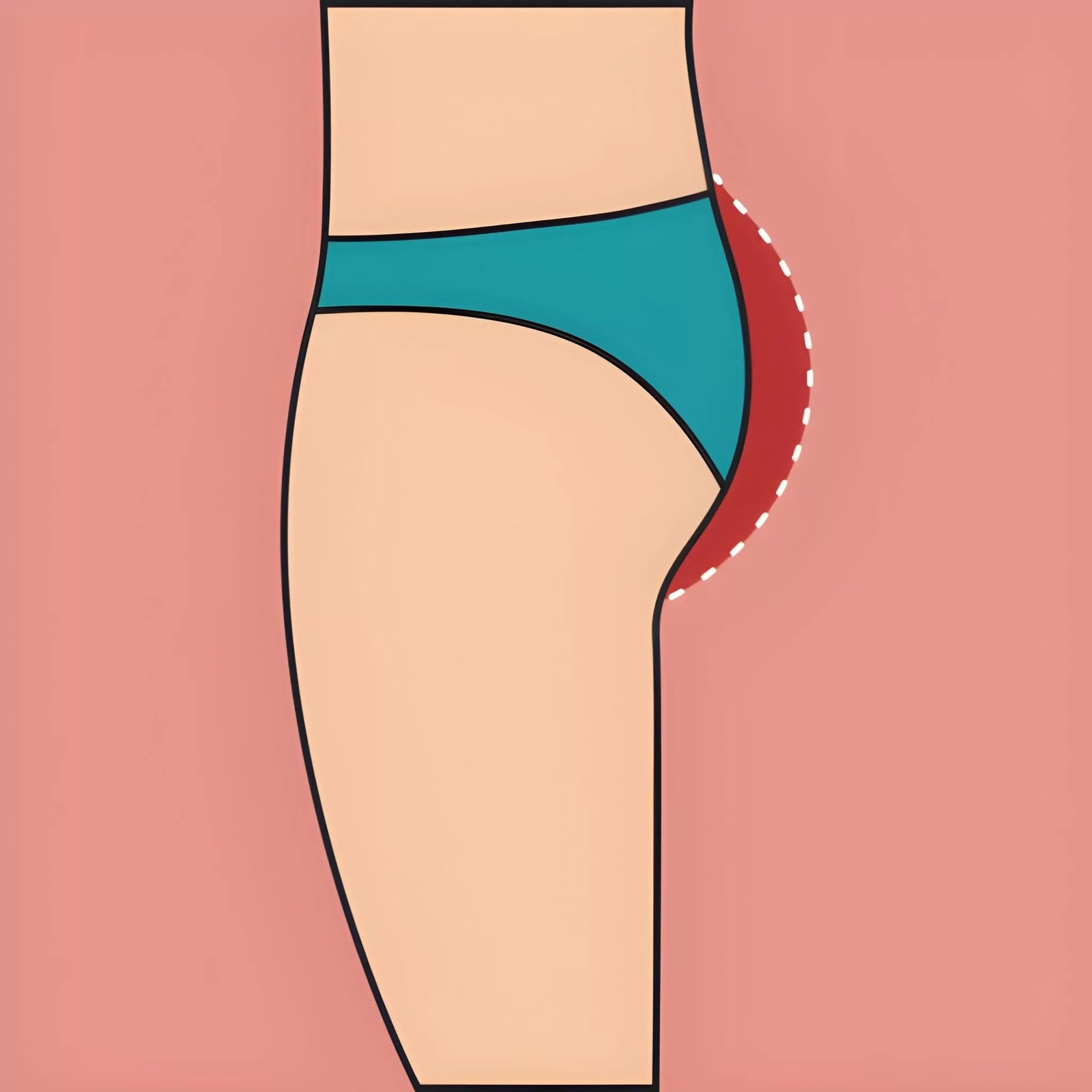
Brazilian Butt Lift (BBL) surgery gained massive global attention in 2014 when Kim Kardashian broke the internet with her sensational photo that showcased a snatched waist and perfectly contoured buttocks, igniting widespread interest in gluteal enhancement. While many like to believe that was the start of the BBL surgery craze, the actual phenomenon can be traced back to the early 1960s. Although Dr. Ivo Pitanguy played a major role in advancing aesthetic body contouring, modern Brazilian Butt Lift (BBL) techniques evolved over decades through contributions from multiple surgeons worldwide rather than a single “founder.” Pitanguy’s motivation for BBL surgery was to address the sagging of the hips. However, thanks to picture-perfect Instagram models and the Kardashians, BBL is now a commonly requested body-contouring procedure in aesthetic clinics. Despite its popularity, BBL is also recognized as one of the highest-risk cosmetic surgeries when not performed using modern safety standards.[1]
What is BBL?: Brazilian Butt Lift
BBL stands for Brazilian Butt Lift. Plastic surgeons perform this elective surgery to enhance the size, shape, and overall contour of the buttocks.

A woman measuring the fullness of her buttocks afterBBL surgery. (Photocredit:Freepik)
BBL Surgery works by removing fat from certain parts of the body and transplanting the same fat to the buttocks. Due to this process, it acts in two ways to give the patient the dream “hourglass” physique:
- The donor sites for fat include the belly, hips, thighs, and the waist. The surgeon uses a cannula to extract the excess fat from these places. This process is called liposuction. The result is an overall slimmer-looking lower body, which enhances the buttocks’ curves.
- The surgeon then grafts the fat to enhance the buttocks, making them look fuller and rounder.
Another name for the BBL is Gluteal Fat Grafting, since it’s basically a fat transplantation process from other parts of the patient’s body to their butt cheeks.[2] Notably, the “lift” is a misnomer, since the BBL surgery only adds to the volume and roundness of the cheeks. As compared to the BBL, buttock lift involves only skin and fat removal from the buttocks and has no fat transplantation process like the BBL surgery.
Did BBL Originate In Brazil?
Yes! BBL’s meaning is true to its acronym. It is no surprise that BBL originated in Brazil, a country well known for its large number of highly skilled plastic surgeons. In 2021 alone, more than 2 million cosmetic surgeries were performed in Brazil, with liposuction and BBL ranking among the most common procedures. A similar rise in body-contouring aesthetic procedures has been observed worldwide.
Before fat grafting techniques became refined, gluteal silicone implants were attempted by surgeons such as Dr. RJ Bartels. However, implants were associated with higher complication rates, unnatural contours, and patient dissatisfaction.[3] Autologous fat transfer ultimately became preferred due to its more natural appearance and ability to contour multiple body areas simultaneously.[4]
Evolution of the BBL Technique and Safety
The initial BBL surgery was simpler and afforded fewer risks. The current techniques and aesthetic requirements of BBL candidates have resulted in greater fat transfer volumes. However, it is unfortunately contributing to higher complication rates.
Additionally, current evidence shows that fat injection into the gluteal muscles is unsafe and strongly associated with fatal pulmonary fat embolism. Modern international safety guidelines mandate that fat must be injected strictly into the subcutaneous plane only. Intramuscular or deep fat injection is now considered contraindicated.[5] [6]
Recent safety advancements include the use of real-time ultrasound guidance to confirm cannula position and reduce the risk of vascular injury.[7]
Who Can Get BBL Surgery?
- You should be at least 18 years of age
- The relevant professionals should assess your mental, physical, and emotional health to ensure the validity of the consent for the BBL surgery.
- You will be informed about the risks associated with BBL. The doctor will make sure that you have realistic expectations regarding the results of the procedure. If the physician finds that you don’t qualify, they can turn down the procedure.
- As a patient, you should have no medical or familial history of pulmonary fat embolism from past surgeries. Patients with significant medical comorbidities or elevated surgical risk may not be suitable candidates.
- You should have an ideal amount of fat in the “safe areas” for fat harvesting. For BBL, these sites may include: the hips and thigh region, the belly, the waist, the lower back, and the sacrum.
- If your job requires long hours of sitting, you may need to reconsider BBL surgery. This is because healing can take up to two months, and you may be advised to minimize sitting to ensure proper healing.
Steps of BBL Surgery
Medical History
The plastic surgeon and their team will conduct a thorough medical history review and order essential laboratory tests to ensure the patient is an ideal candidate for BBL surgery.
Marking The Areas
The doctor will mark the safe areas for fat donation and outline the areas of the buttocks that will receive the fat grafts.

The physician marks the areas that will receive the fat for theBBL. (Photo credit:Freepik)
Anesthesia
After the patient qualifies for the procedure, the medical team will call the patient in for surgery and assess anesthesia eligibility before administering anesthesia.
Liposuction
The surgeon will insert a suitably sized cannula into the selected liposuction areas to extract the required amount of fat for the procedure. It is important to understand that different people will require a different volume of fat grafting to attain the ideal BBL results. The normal range lies anywhere between 600-1000 ccs overall.
Fat Grafting
Incisions will be made in the areas demarcated for fat grafting, and the purified fat is injected exclusively into the subcutaneous tissue of the buttocks using controlled, layered techniques to improve shape and volume while minimizing risk.
How Long Does It Take To Recover From BBL Surgery?
It will take a few hours to recover from the effects of the anesthesia. The doctors might ask you to stay in the hospital for at least 24 hours to ensure optimal post-operative recovery. Most aesthetic clinics have specialized BBL pillows to help relieve pressure from the buttocks during the hospital stay. Anticoagulants may be used selectively based on individual clot-risk assessment, not routinely in all patients.
Since the BBL procedure involves multiple stitches, the physician will wrap the treated areas with special compression dressings and change them at regular intervals. The physician may also prescribe OTC painkillers and anti-inflammatory medications to promote comfortable healing.
It is advised not to lie down on your back or sit for long hours following the BBL surgery to allow the body to restore itself. A high-protein diet can help accelerate recovery. Most fat graft stabilization occurs within 6–12 weeks, although final results may take several months to mature.
BBL Surgery Risks and Complications
Like any invasive procedure, BBL carries several risks, with pulmonary embolism-related morbidity and mortality being the most serious. A landmark study analyzing BBL-related deaths in South Florida identified pulmonary fat embolism as the cause of mortality in all fatal cases, with intramuscular fat injection present on autopsy. Other adverse outcomes include bruising, scarring, temporary or permanent nerve damage, and infection at the surgical site.
Another emotionally and financially damaging outcome is a botched BBL. This rare outcome usually results when patients fail to assess the surgeon’s expertise or fail to follow post-operative protocols. This may lead to an apparent unevenness between the two buttocks or a grossly misshapen pair of cheeks.
Adherence to modern safety protocols significantly reduces the risk. Therefore, it is wise to always follow your physician’s advice on the medications and lifestyle changes following a BBL Surgery.
How Much Does A BBL Cost?
According to the American Society of Plastic Surgeons, the cost of a BBL varies widely based on surgeon expertise, location, facility fees, and aftercare. In the United States, total costs often exceed USD 8,000–15,000. This amount covers the fees of the plastic surgeon, the anesthesiologist, hospital dues, and special accessories that may be required during the recovery period.
Are There Any Non-Surgical BBL Options?
Yes, but non-surgical options do not replicate surgical BBL results and should be clearly distinguished from surgery. You can achieve enhanced buttocks without a BBL surgery. However, bear in mind that the exact “fullness” may be a bit less than that of Brazilian Butt Lift, and may not last as long.
Dermal Fillers and Sculptra
Dermal fillers such as hyaluronic acid and poly-L-lactic acid (Sculptra) have been used off-label for non-surgical buttock enhancement in carefully selected patients. However, no dermal filler is currently FDA-approved for large-volume gluteal augmentation, and results are temporary and modest compared to surgical BBL. Due to potential risks, including vascular complications, filler-based buttock enhancement should only be performed by experienced clinicians.[8]
“Liquid BBL” is a popular term used to describe non-surgical buttock contouring with injectable fillers, but it is not a true Brazilian Butt Lift and provides only subtle enhancement compared to surgical fat grafting.[9]
Lasers
Laser-based body contouring uses focused light energy to heat fat cells in targeted areas, helping reduce localized fat and improve contour. While popular for non-surgical shaping, it does not add volume like a Brazilian Butt Lift, and multiple sessions are usually required for noticeable results.
Frequently Asked Questions
1. How long do BBL results last?
BBL surgery is a semi-permanent procedure. The results can last for a few years and even a few decades. However, fat survival varies, and weight changes can affect outcomes over time.
2. Will I be able to return to work immediately after the BBL procedure?
No. Please ensure that you avoid sitting and doing strenuous work that involves the buttocks to prevent failure of the grafting procedure.
3. Can someone else donate fat for my BBL?
Only individuals with sufficient fat in safe donor areas are eligible for BBL surgery. The plastic surgeon cannot use another person’s fat tissue for your BBL, as it can lead to severe immune rejection.
4. What is a Mini or Petite BBL?
“Mini BBL” or “Petite BBL” are informal terms used to describe a Brazilian Butt Lift with a smaller amount of fat transferred from the donor areas. The procedure is the same as a standard BBL, but the results are more subtle. These terms are not standardized and may vary between clinics.
Wrap Up
The Brazilian Butt Lift (BBL) is a popular procedure for enhancing buttock shape and volume. Surgical BBL provides the most dramatic results, while non-surgical options such as dermal fillers, Sculptra, laser treatments, or “liquid BBL” offer modest improvements. Patients should consult board-certified plastic surgeons, understand the differences between surgical and non-surgical techniques, and follow post-procedure guidelines carefully.
References
[1] Pazmiño, P., & Onelio Garcia, J. (2022). Brazilian Butt Lift–Associated Mortality: The South Florida Experience.Aesthetic Surgery Journal,43(2), 162. https://doi.org/10.1093/asj/sjac224
[2] American Society of Plastic Surgeons. Gluteal fat grafting: a joint safety statement [Internet]. 2022 [cited 2025 Dec 19]. Available from: https://www.plasticsurgery.org/for-medical-professionals/publications/psn-extra/news/gluteal-fat-grafting-a-joint-safety-statement.
[3] Condé‑Green A, et al. Comparing the safety profiles of implants and autologous fat grafting in gluteal augmentation: a systematic review.Aesthetic Surg J. 2023.
[4] Chacur, R. (2024). Gluteal Augmentation: A Historical Perspective on Aesthetic Practice.Aesthetic Surgery Journal. Open Forum,7, ojae124. https://doi.org/10.1093/asjof/ojae124
[5] Mofid MM, Teitelbaum S, Suissa D, Ramirez-Montañana A, Mendieta CG. Report on mortality from gluteal fat grafting: recommendations from the ASERF Task Force.Aesthetic Surg J. 2017;37(7):796-806.
[6] American Society of Plastic Surgeons. Gluteal fat grafting: a joint safety statement [Internet]. 2022 [cited 2025 Dec 19]. Available from: https://www.plasticsurgery.org/for-medical-professionals/publications/psn-extra/news/gluteal-fat-grafting-a-joint-safety-statement
[7] Cansancao AL, Condé-Green A, David JA, et al. Ultrasound-guided gluteal fat grafting: a safer technique.Plast Reconstr Surg. 2022;150(3):517-525.
[8] Hexsel D, Dal’Forno T, Hexsel C. Poly-L-lactic acid for gluteal augmentation: a review of technique and safety.J Drugs Dermatol. 2014;13(2):161-165.
[9] Goldberg DJ, Berlin AL. Off-label use of dermal fillers for body contouring.Dermatol Surg. 2012;38(7):1107-1116.