

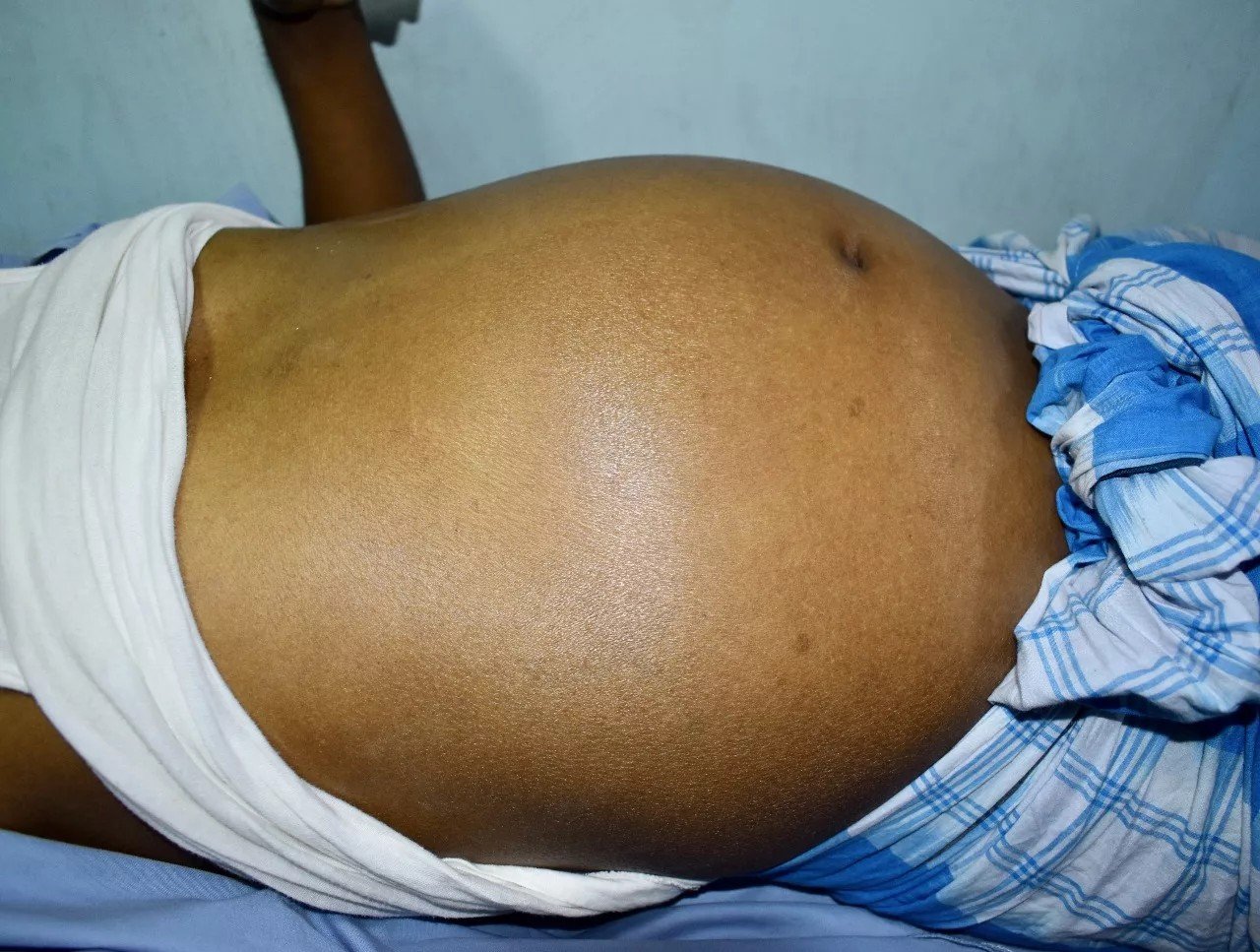
Ascites treatment Ascites refers to a condition of fluid buildup in your belly that is usually the result of liver disease. Also known as abdominal dropsy, hydroperitoneum, and peritoneal fluid access, the condition is commonly seen in patients suffering from liver cirrhosis. Studies suggest that 75% of ascites cases arise as a consequence of cirrhosis and portal hypertension.
Another study concluded that ascites is seen in about 50% of patients with decompensated cirrhosis.However, rarely, it can be the outcome of some other underlying disorders, like chronic pancreatitis and kidney failure.
The abnormal filling of the fluid manifests as a large belly and unexplained, rapid weight gain. Doctors treat the condition by modifying your diet and giving you medications (diuretics) that drain excess fluid. However, a liver transplant is advised in severe cases.
Ascites Symptoms
Your abdominal organs are protected by a sheet of tissue called the peritoneum. It surrounds important organs like the liver, stomach, intestines, and kidneys. The peritoneum consists of two layers. When your liver undergoes scarring, fluid starts to build up between the layers of the peritoneum. This sack of fluid presents with the following symptoms:
Abdominal swelling:
Ascites presents with a painless swelling in the abdomen. Initially, the swelling is small, which most patients ignore, but it increases in size instead of going away. In rare instances, patients suffering from chronic pancreatitis report progressive ascites that is usually painful.
In almost all cases, the abdominal distention is evident. While the edema itself is painless, it can put pressure on neighboring structures and lead to different symptoms. You may also notice swelling in your lower legs, knees, and ankles.
Weight gain:
The most commonly reported symptom of ascites is recent, unexplained weight gain. An increase in the abdominal girth always accompanies the weight changes. The weight gain and girth increase are attributed to the collection of fluid in the peritoneal layers. Weight gain associated with ascites is rapid, and patients report increases of up to 2-3 pounds per day.

Weight gain and an increase in abdominal girth are seen in most cases of ascites.
Digestive issues:
The presence of fluid in the peritoneal cavity is linked to various digestive problems. The development of these symptoms is attributed to the pressure exerted by the fluid on the stomach and the intestines. This build-up slows the movement of food through the gut, leading to problems like indigestion, heartburn, and constipation.
In the vast majority of cases, abdominal pain accompanies digestive inabilities. Sometimes, abdominal discomfort and bloating are the only significant symptoms of ascites in elderly patients.
Due to a compressed stomach, individuals with hydroperitoneum feel full even after eating small portions of meals. Many people report having a constant sense of fullness and decreased appetite.
Fatigue:
A never-ending sense of tiredness is pretty common in patients with liver pathologies. Physical and mental exhaustion doesn’t resolve with rest. Doctors note that only drainage of the ascites leads to a reduction in fatigue and breathing difficulties.
Breathing difficulties:
The peritoneal fluid access pushes the diaphragm, which prevents the lungs from expanding properly. So, now, your lungs have a smaller space for expansion. This interferes with normal breathing, and patients often have exacerbations when lying down. Thus, dyspnea (shortness of breath) is a significant symptom of the disorder. Underlying liver cirrhosis is also known to cause alterations in the arterial blood parameters, which can further complicate breathing.
Back pain:
The enlarged tummy puts extra pressure on your body. This added mechanical pressure on the back can force patients to change their posture (to accommodate the bulk). Thus, ascites can increase the likelihood of you having back pain. Low back pain is a feature of liver cirrhosis and is present even without ascites. However, the prevalence is higher in ascites cases.
Fever:
A raised body temperature is common when abdominal dropsy is the outcome of an infection like pancreatitisor if a patient develops spontaneous bacterial peritonitis (SBP). However, fever is not always present.
Ascites Causes
The most common cause of ascites is liver cirrhosis. In this condition, the scarred liver performs insufficiently, which leads to an increase in the portal pressure (blood pressure in the hepatic portal vein), i.e., portal hypertension. This vein is responsible for carrying digestion byproducts from the GIT to the liver.

Portal hypertension is a major cause of ascites.
As the portal pressure rises, the kidneys mistakenly/incorrectly identify a drop in the blood volume. Therefore, to compensate for the volume loss, the kidneys start retaining sodium and water. Eventually, this fluid becomes excessive and accumulates in the abdominal cavity, leading to ascites.
In addition to cirrhosis, several other health conditions can lead to pooling of excessive fluids into your peritoneum:
Kidney failure:
When your renal output is reduced, fluids start to fill up in your body. There are multiple ways in which a renal failure patient develops hydroperitoneum. The increased retention of water and sodium is one of the reasons. Additionally, increased permeability of peritoneal membranes and hypoalbuminemia (low levels of albumin protein in the blood) contribute to ascites. In the vast majority of cases, ascites arises when a patient is simultaneously suffering from cirrhosis and kidney disease. However, clinical research reveals that advanced-stage kidney disease (end-stage renal disease or ESRD) can be a sole cause of ascites. Kidney conditions like nephrotic syndrome can rarely cause hydroperitoneum.
Heart failure:
Congestive (right) heart failure elevates the pressure in the veins that return blood to the heart. This increased pressure in the veins can potentially cause leakage of the blood into the abdominal cavity, which can fill up between the layers of the peritoneal membrane. Though rare, there have been causes of congestive heart failure-induced ascites.
Cancer:
Certain cancers that can spread to the peritoneum are known to cause hydroperitoneum. Malignant ascites refers to ascites that develops in response to an advanced cancer that has involved the lining of the abdominal cavity. Common cancers leading to peritoneal fluid buildup include ovarian, gastric, breast, colon, pelvic, pancreatic, and liver cancer, etc.
Ovarian cancer is a metastatic cancer with reported incidences of malignant ascites. In recent years, we have seen studies exploring the pathophysiology of malignant ascites in pancreatic cancer, indicating the clear connection between the two.
Tuberculosis:
Peritoneal tuberculosis is a rare cause of ascites. As per clinical reports, tuberculosis is the cause of ascites in only 2% of the patients. The disease caused by Mycobacterium tuberculosis can present with otherwise asymptomatic ascites.
Risk Factors for Hydroperitoneum
Several conditions increase your chances of getting cirrhosis, thereby making you prone to ascites:
- Hepatitis (mainly B and C)
- Autoimmune hepatitis
- Alcohol use disorder
- Metabolic Dysfunction–Associated Steatotic Liver Disease (MASLD)
- Metabolically-dysfunction-associated steatohepatitis (MASH)
MASH or non-alcoholic fatty disease is characterized by the presence of excessive fat cells in the liver, which is not due to alcohol abuse.Obesity, diabetes, and metabolic syndrome also raise the risk of liver scarring and ascites. Genetic liver disorders like Wilson disease, hemochromatosis, and alpha-1 antitrypsin deficiency predispose patients to early liver cirrhosis.
Ascites Diagnosis: Identifying Abdominal Dropsy
Your doctor will physically examine your belly swelling and take a history of liver disease. After a thorough abdominal examination, he will ask you questions about the onset of your symptoms and order a range of tests to assess your liver function. Doctors declare the condition as ascites if the volume of accumulated fluid is greater than 25 mL.
The most commonly employed diagnostic tests include:
Fluid/Serum Tests
- Blood tests: A blood test reveals numerous pathologies, including infection or diabetes (in a blood sugar test).
- Urine tests: A urine test helps diagnose any kidney-related problems.
- Paracentesis: In this procedure, your healthcare provider will remove fluid from your abdomen with a fine needle. He shall apply a local anesthetic before withdrawing the fluid. Paracentesis aids in identifying signs of infection or cancer in the peritoneal cavity.
- Serum ascites albumin gradient (SAAG) test: The SAAG test compares the levels of albumin protein in your ascites fluid with your levels in the blood. A high SAAG level indicates portal hypertension and helps in identifying the underlying cause of the ascites.
Imaging Tests
Different imaging tests can highlight problems in the affected areas. An abdominal ultrasound reveals valuable information. Advanced tests like CT scans and MRI scans highlight the areas of fluid deposition and provide you with information about changes in the liver’s size.
Ascites Treatment
The main aim of the treatment is to reduce the fluid in your peritoneum. Doctors adopt multiple strategies to speed up the process. There are two parts of the therapy. One part deals with lowering the accumulated fluids in the abdomen, and the other part aims at fixing the underlying problem that is causing hydroperitoneum.
Lifestyle modifications
Your healthcare provider will advise you to limit your salt intake because the sodium in table salt promotes fluid retention in the body. Thus, the first step in ascites management is limiting sodium intake to less than 2000 milligrams/day. You can take a professionally designed dietary plan from a dietician. Modern guidelines suggest that patients must not undergo drastic dietary changes, and salt restriction should be moderate.
Medications
Medicinal drugs play a vital role in bringing down your peritoneal swelling. Diuretics are drugs that promote the removal of excess water (and salt) from the body. The most commonly prescribed diuretics for ascites are furosemide and spironolactone. Based on clinical studies, spironolactone works great for mild-to-moderate ascites, while furosemide is recommended for patients with moderate-to-severe ascites. Another drug, tolvaptan, is given when the patient is not responding to conventional diuretic therapy.
Non-surgical interventions
Healthcare providers adopt several different non-invasive procedures to eliminate fluids. Doctors usually prefer non-surgical treatment options over surgical interventions.
Paracentesis:
The process of fluid removal using a fine needle can be used for diagnosis and treatment. Doctors are of the view that early paracentesis reduces the odds of acute kidney injury, ICU transfer, and patient mortality.
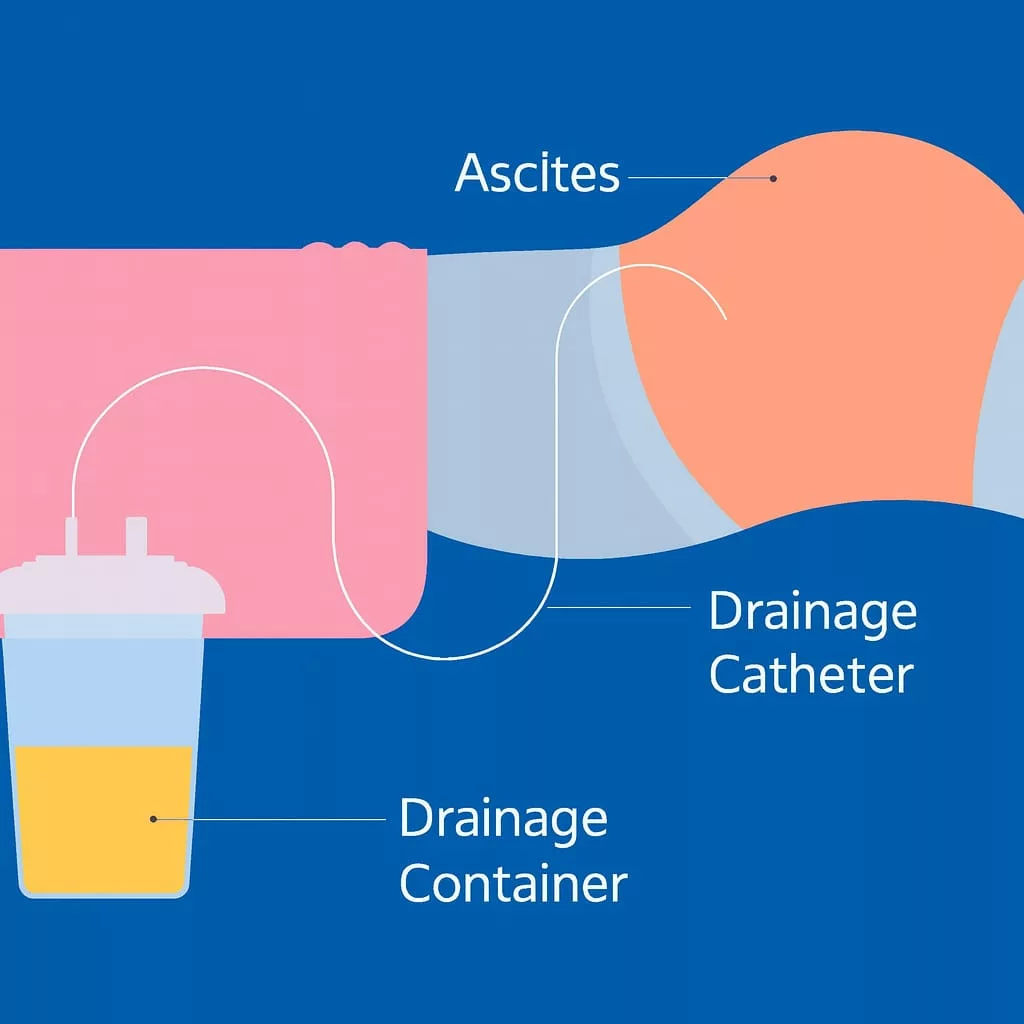
Doctors remove fluid from ascites patients via a drainage catheter.
When used in patients with malignant ascites, patients showed rapid benefits and only mild side effects.
However, it should always be done in conjunction with the management of the underlying issue. Because if the causative factor is not fixed, abdominal dropsy will recur.
Surgery
Transjugular intrahepatic portosystemic shunt (TIPS):
It is a surgical procedure done to manage portal hypertension. In TIPS, the surgeon creates a new pathway from the hepatic portal vein and connects it to a hepatic vein. In this way, the blood doesn’t enter the liver, and thus, there is no leakage of fluids into the abdomen. It is adopted in cases unresponsive to conventional therapies and has been shown to effectively reduce ascites.
Liver transplant:
The last option for severe liver failure (leading to ascites) is a liver transplant. In this major, life-saving surgical procedure surgeon takes part (lobe) of a matched donor’s healthy liver and transplants it into your body.
Disease management
An important step in ascites treatment is the management of the underlying pathology. Chemotherapy and radiotherapy may be advised for cancers. Similarly, antibiotics are given to treat infectious disorders like tuberculosis.
Ascites prognosis
The prognosis of ascites treatment depends on the underlying cause of the disorder. Refractory ascites has a poor prognosis and has a 1-year survival rate of less than 50%. On the other hand, cirrhotic ascites patients generally have a 3-year mortality rate of around 50%.
Ascites Complications
Several complications are associated with ascites:
- Inguinal hernia: Abdominal contents bulge out of the groin and lower abdominal region.
- Pleural effusion: Fluid builds up in the pleural lining around the lungs.
- Spontaneous bacterial peritonitis (SBP): This disease is characterized by a serious infection of the peritoneum and is a complication of ascites.
- Hepatorenal syndrome (HRS): It is a life-threatening renal condition caused by cirrhosis.
Hydroperitoneum (Ascites) Prevention
You can minimize the chances of ascites (and cirrhosis) by living a healthy and active life. By following a balanced diet, exercising regularly, maintaining an ideal body weight, and minimizing alcohol use, you can keep the disease at bay. Avoiding unprotected sex can keep you safe from infections like hepatitis. Moreover, you can get a hepatitis B vaccine as well.
Final Word
Ascites is the filling of tissue fluid in the peritoneum caused mainly by liver cirrhosis and portal hypertension. It presents with swelling of the tummy, which may be accompanied by issues like weight gain, breathing difficulties, and digestive issues. The painless hydroperitoneum is rarely an outcome of kidney failure, heart failure, or tuberculosis. Malignant ascites develops in response to cancer and does not respond to conventional treatments. Alcohol abuse and hepatitis increase the risk of the disease.
Doctors advise you to limit sodium intake and prescribe diuretics to drain out the fluids. Paracentesis removes fluid to alleviate symptoms of ascites, while TIPS fixes underlying portal hypertension, which is responsible for fluid leakage in the abdomen. Liver transplant is reserved for patients with a severe disorder.
References
[1] Liu, Y. B., & Chen, M. K. (2022). Epidemiology of liver cirrhosis and associated complications: Current knowledge and future directions.World journal of gastroenterology,28(41), 5910.
[2] Chiejina, M., Kudaravalli, P., & Samant, H. (2023). Ascites. InStatPearls [Internet]. StatPearls Publishing.
[3] Medda, A., & Misra, A. K. (2021). Case Report A Man with Progressive Swelling of Abdomen: Uncommon Presentation of a Common Disease.J Indian Med Assoc,119(11), 54-6.
[4] Tasneem, H., Shahbaz, H., & Sherazi, B. A. (2015). Causes, management and complications of ascites: a review.International Current Pharmaceutical Journal,4(3), 370-377.
[5] Rudralingam, V., Footitt, C., & Layton, B. (2017). Ascites matters.Ultrasound,25(2), 69-79.
[6] Asim, M., Naqvi, N., Karmani, V. K., Tahir, A., Banatwala, U. E. S. S., Rehman, S., … & Khan, F. (2024). Advancements in ascites management: a comprehensive narrative review of the Alfa Pump system.Egyptian Liver Journal,14(1), 68.
[7] Wittmer, V. L., Lima, R. T., Maia, M. C., Duarte, H., & Paro, F. M. (2020). Respiratory and symptomatic impact of ascites relief by paracentesis in patients with hepatic cirrhosis.Arquivos de Gastroenterologia,57(01), 64-68.
[8] Bednár, R., Líška, D., Gurín, D., Vnenčaková, J., Melichová, A., Koller, T., & Skladaný, Ľ. (2023). Low back pain in patients hospitalised with liver cirrhosis-a retrospective study.BMC Musculoskeletal Disorders,24(1), 310.
[9] Madan, K., & Mehta, A. (2011). Management of renal failure and ascites in patients with cirrhosis.International Journal of Hepatology,2011(1), 790232.
[10] Roy, A., & Kulkarni, A. V. (2025). Ascites in patients with end-stage renal disease: Challenges and solutions from diagnosis to management.Hepatology Communications,9(4), e0687.
[11] Goh, Z. N. L., Teo, R. Y. L., Chung, B. K., Wong, A. C., & Seak, C. J. (2022). At the heart of the problem: Congestive cardiac failure as a cause of ascites: A narrative review.Medicine,101(31), e29951.
[12] Rickard, B. P., Conrad, C., Sorrin, A. J., Ruhi, M. K., Reader, J. C., Huang, S. A., … & Rizvi, I. (2021). Malignant ascites in ovarian cancer: cellular, acellular, and biophysical determinants of molecular characteristics and therapy response.Cancers,13(17), 4318.
[13] Han, M. Y., & Borazanci, E. H. (2023). Malignant ascites in pancreatic cancer: Pathophysiology, diagnosis, molecular characterization, and therapeutic strategies.Frontiers in Oncology,13, 1138759.
[14] Vaz, A. M., Peixe, B., Ornelas, R., & Guerreiro, H. (2017). Peritoneal tuberculosis as a cause of ascites in a patient with cirrhosis.Case Reports,2017, bcr-2017.
[15] Scorza, M., Elce, A., Zarrilli, F., Liguori, R., Amato, F., & Castaldo, G. (2014). Genetic diseases that predispose to early liver cirrhosis.International Journal of Hepatology,2014(1), 713754.
[16] Aithal, G. P., Palaniyappan, N., China, L., Härmälä, S., Macken, L., Ryan, J. M., … & Verma, S. (2021). Guidelines on the management of ascites in cirrhosis.Gut,70(1), 9-29.
[17] Wang, R., Chai, L., & Guo, X. (2022). Diuretics in cirrhotic patients with ascites. InPharmacotherapy for Liver Cirrhosis and Its Complications(pp. 167-178). Singapore: Springer Nature Singapore.
[18] Patel, N., Silvey, S., O’Leary, J. G., Morgan, T., Patton, H., Rogal, S. S., & Bajaj, J. S. (2023). Early paracentesis is associated with a better prognosis compared with late or no-paracentesis in hospitalized veterans with cirrhosis and ascites.Liver Transplantation,29(9), 919-927.
[19] Seah, D. S., Wilcock, A., Chang, S., Sousa, M. S., Sinnarajah, A., Teoh, C. O., … & Currow, D. C. (2022). Paracentesis for cancer-related ascites in palliative care: An international, prospective cohort study.Palliative medicine,36(9), 1408-1417.
[20] Queck, A., Schwierz, L., Gu, W., Ferstl, P. G., Jansen, C., Uschner, F. E., … & Trebicka, J. (2023). Targeted decrease of portal hepatic pressure gradient improves ascites control after TIPS.Hepatology,77(2), 466-475.
[21] Chiejina, M., Kudaravalli, P., & Samant, H. (2023). Ascites. InStatPearls [Internet]. StatPearls Publishing.