

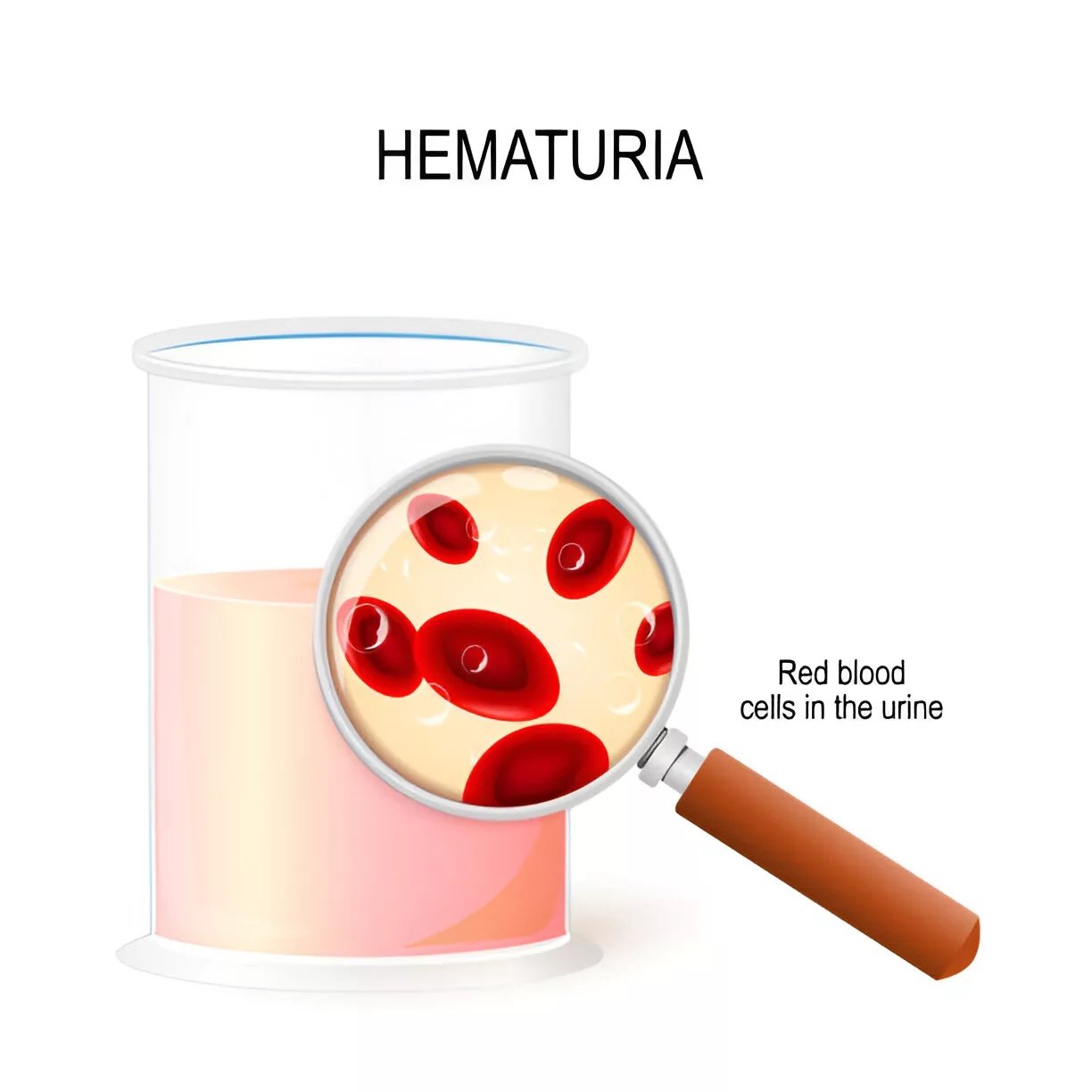
Hematuria Symptoms See Hema- means blood, and uria- means urine, so hematuria refers to a condition of blood in urine. Hematuria is not a disease itself but may be a presentation of different underlying pathologies or conditions. It is a common urological presentation and accounts for a substantial proportion of urology consultations. Urinary tract infections, strenuous exercises, kidney disease, and prostate abnormalities can lead to blood in your pee. Healthcare professionals identify the underlying cause for the change in pee color and provide a treatment according to the patient’s condition.
Hematuria Types: Hematuria Symptoms See
Health professionals categorize hematuria into the following types:
Gross Hematuria:
As the name indicates, visible blood in the urine is referred to as gross hematuria or macroscopic hematuria. Patients notice a pale pink to bright red color of their pee. It can even turn your pee tea-colored. Mostly, serious health conditions like UTI, benign prostatic hyperplasia, kidney stones, and trauma contribute to noticeable and visible blood in the urine. It may also be a presentation of advanced cancer.[1]
Gross hematuria without any other symptoms can also be a manifestation of placental abnormalities like placenta percreta (in pregnant women).[2]
However, there are case reports of new or relapsed IgA nephropathy with gross hematuria following SARS-CoV-2 mRNA vaccination; these are temporally associated and causality remains unproven. In addition to the gross hematuria, patients complained of bodyaches (arthralgias), abdominal pain, and urticaria.[3]
Microscopic Hematuria:
In microscopic hematuria, only small amounts of blood are present in the urine, which can not be seen with the naked eye. Pathologists detect red blood cells by analysing the urine under a microscope. As per estimates, 6.5% of the US population suffers from microscopic hematuria. However, this number can reach up to 21% in older men.[4] This type is more common than gross hematuria.
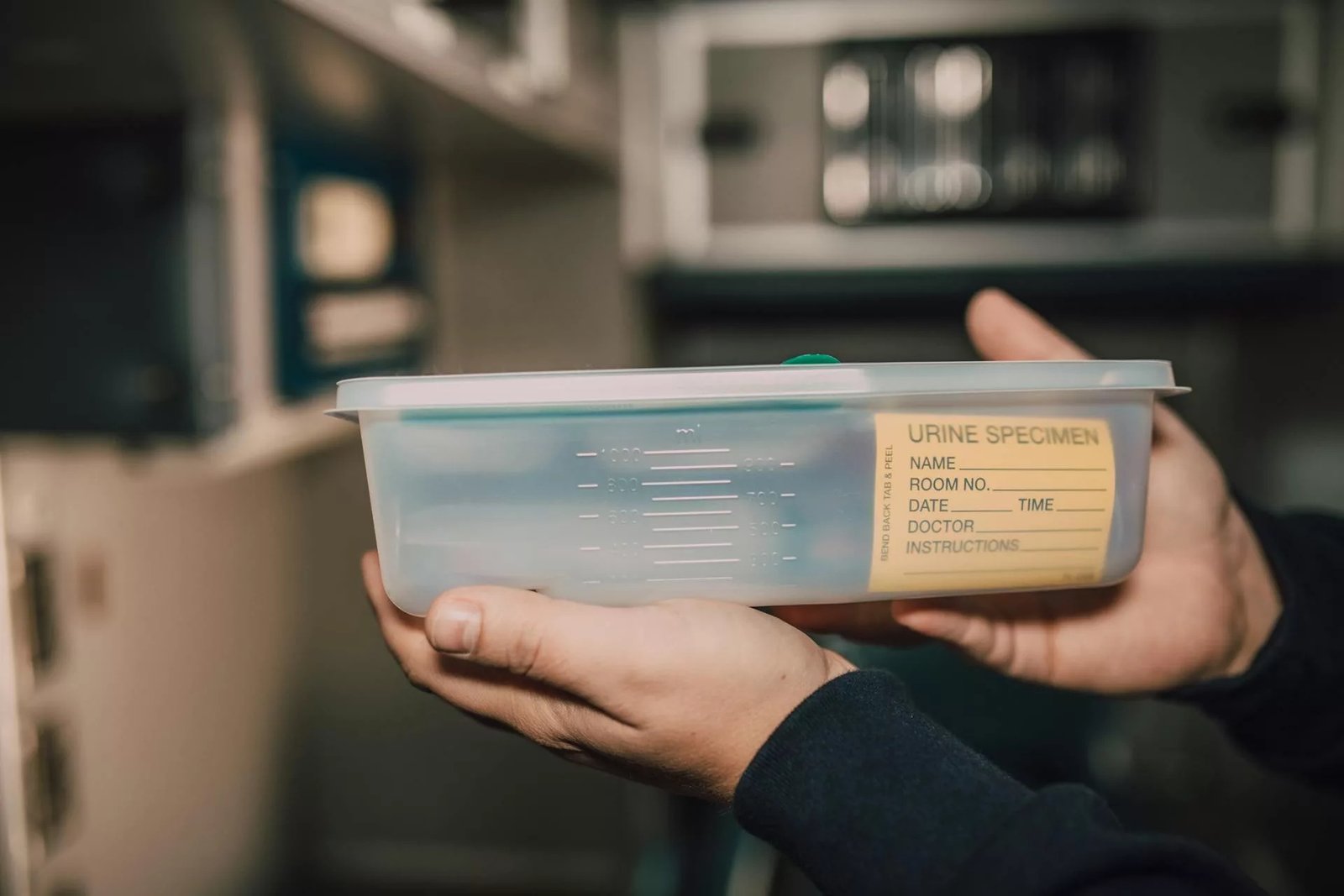
The image shows a urine specimen container used to collect a urine sample and diagnose hematuria.
The criteria provided by the 2020 American Urological Association (AUA) are used to diagnose this type. Microscopic hematuria is defined (AUA 2020) as ≥3 RBCs per high-power field on microscopic urinalysis of a properly collected sample. Positive dipstick should be confirmed by microscopy, and tests should be repeated to exclude transient causes (exercise, menses, infection). While it doesn’t directly indicate kidney disease, researchers have found an increased risk of chronic kidney disease in individuals with persistent microscopic hematuria.[5]
Moreover, hematurias (whether gross or microscopic) can point to IgA nephropathy because microhematuria is observed in multiple experimental models of IgA-mediated damage to the kidneys. [6]
Microscopic hematuria is further divided into:
- Symptomatic hematuria can be caused by different disorders.
- Asymptomatic hematuria with proteinuria is suggestive of underlyingglomerular disease.
- Asymptomatic hematuria without proteinuria is indicative of a possible urothelial cancer (malignancy).
Hematuria Symptoms
In the vast majority of cases, hematurias are silent and do not present any symptoms apart from the blood tinge/color in your pee. When present, symptoms develop due to the underlying health condition. Healthcare providers carefully analyze the symptoms to differentiate between the source of blood from the kidney (glomerular) and non-kidney issues. Clues to glomerular (kidney) bleeding include tea-colored urine, dysmorphic RBCs, and RBC casts, often with proteinuria or abnormal kidney function. Bright-red or clotted urine, colicky flank pain, or passage of stones suggests a lower urinary tract or stone source
The most common symptoms seen with hematuria include:
Painful Micturition (Urination):
Some patients might experience dysuria or pain/burning on peeing along with the release of blood. The co-presence of dysuria and hematuria is often seen in older children suffering from a urinary tract infection. The dysuria stems from excessive bladder muscle contraction and activity of the inflamed urethra. However, research indicates that it might be a signal of some serious issue like malignancy.[7]
Frequent Urination:
Several patients experience an increase in the frequency of urination. In a clinical report, a 25-year-old man reported to the urology department with disabling, frequent, and painful urination every 20 minutes. Urinalysis revealed persistent hematuria with proteinuria.[8] The increased frequency of urination is often seen with urinary urgency, i.e., a strong need to pee immediately.
Abdominal Pain:
Individuals noticing blood in their urine can also experience pains in different parts of the body, depending on the underlying causative disorder. Recurrent abdominal pain may accompany hematuria.[9] Rarely, conditions like IgA vasculitis can present with abdominal pain and hematuria.[10]
Flank Pain:
It is a unique type of pain mostly seen in patients suffering from renal disorders (such as kidney stones, urothelial carcinomas, etc.). Most patients complain of discomfort between the hips and the lower rib region. The agonizing pain can be unilateral (on one side) or bilateral (on both sides of the body). The co-occurrence of hematuria and flank pain can be due to nephrolithiasis.[11], kidney rupture [12], or pyelonephritis. [13]
Loin Pain:
Loin pain hematuria syndrome is a rare disorder characterized by vascular damage to the kidneys. The initial presentations of this disorder are gross or microscopic hematuria, loin pain, and flank pain.[14]
Fever & Chills:
When hematuria arises due to an infection (mostly urinary tract infection), the body manifests with symptoms like fever and chills. Pediatric patients suffering from different types of infections can experience a raised body temperature and blood in the urine. As per a common conception, febrile illnesses in children are linked to microscopic hematuria. However, the combination of symptoms may only be a transient state.[15]
A rare cause of fever with hematuria in children is the Epstein-Barr virus infection.[16] Other possible symptoms seen with hematuria are nausea and vomiting.
Note: Blood in your pee is not always a warning sign. However, it can be linked to serious ailments. The best way is to contact a healthcare professional, but do not panic over the situation.
Hematuria Causes
Some of the most common causes of hematuria include:
Menstruation:
Women of reproductive age may notice blood in their urine during menstruation. A small amount of blood in the urine during menstruation is normal and doesn’t require treatment.
Infections:
A major cause of hematuria is infection. Different types of infections can lead to blood leaking into the urine.
Urinary Tract Infection
E.coli bacteria are the main culprit in urinary tract infections. Frequently seen in women, UTIs tend to induce hematuria, which is attributed to bacterial invasion of the tract’s lining cells.[17] Hematuria is a common and noticeable manifestation of UTIs in children. Urologists frequently observe pediatric patients presenting with blood in urine due to an underlying UTI.[18]
Kidney Infection
Just like urinary tract infections, renal infections can also lead to a blood tinge in the urine. In several cases, kidney infections arising post-transplant in recipients present with gross or microscopic hematuria. Clinicians even conclude that the most common cause of hematuria in a transplanted kidney is infection.[19] Pylonephritis is a type of infection that spreads to your kidneys.
Inflammation:
Several inflammatory disorders are also responsible for the change in your urine’s coloration.
Cystitis
Inflammation of the urinary bladder, i.e, cystitis, can contribute to the presence of blood in the urine. Hemorrhagic cystitis is a painful, inflammatory condition of the urinary bladder that turns your urine pink-red. It can be attributed to different causes, including viral infections or cancer treatment, etc.[20]
Endometriosis
Inflammation of the endometrial lining in women can also lead to blood in the urine. The endometrium is the membrane lining the inner side of the uterus. It can cause hematuria when the urinary tract (bladder or ureter) is involved, though this is uncommon.[21]
Kidney Disorders:
Stones
Another common cause of blood in urine is stones in the kidneys and the urinary system. Urolithiasis (kidney stones) and mineralized masses in other parts of the urinary system (bladder, ureter, etc.) can have visible impacts on the urine output.

The X-ray image reveals a large kidney stone in a patient who presents with hematuria and pain.
Chronic Kidney Disease (CKD)
CKD is a global health concern that can manifest as hematuria. According to a study published in 2018, hematuria was observed in 29% of patients (1145/3272 participants) with chronic kidney disease. The study concluded that the presence of blood in urine correlated with renal insufficiency and indicated an increased risk of CKD progression.[22]
Sickle cell disease is an inherited disorder in which patients have abnormally shaped (sickle-shaped) red blood cells that are weak, with a lower-than-normal cell life. This very infirmity has also been identified as a cause of blood mixing in the urine.
Benign Prostatic Hypertrophy (BPH):
Men’s semen-producing prostate gland is prone to abnormal enlargement, especially in the later stages of life. A common malady in males, i.e., benign prostatic hypertrophy, can change the color of your pee and is considered the most common benign cause [23] Catheterization for BPH management can also act as a contributing factor.
Cancers:
A wide variety of cancers can present with blood discharge in the urine. Therefore, clinicians advise patients to report to the ER without any ado. Common carcinomatous conditions that alter the composition of your urine include kidney cancer (renal cell carcinoma), upper (UT-UC) and lower urinary tract urothelial carcinoma (LT-UC). These cancers often exhibit themselves in the form of gross asymptomatic microhematuria and symptomatic microhematuria.[24] Other cancers include ureteral cancer, bladder cancer, and prostate cancer.
Trauma:
Blunt force trauma to the urinary system can lead to leakage of blood in the urine. Additionally, penetrating injuries like gunshot wounds may also have the same presentation. Sports hematuria is seen in individuals undergoing vigorous athletic activities.
Risk Groups:
The following individuals are at an increased risk of observing blood in their urine:
- Patients who suffer from recurrent UTIs.
- Individuals (both men and women) aged 50 or above.
- Children with congenital urinary abnormalities (birth defects of the urinary system).
- People with a family history of kidney stones, BPH, or CKD, etc.
- Patients taking anti-clotting drugs and NSAIDs for long periods.
- Athletes and players who train/play vigorously.
Hematuria Diagnosis
After taking your medical history about the color of urine and any accompanying symptoms, your healthcare provider will take your family history of BPH or kidney stones. This is followed by a physical examination of key bodily structures to check for the underlying cause of the changes in urine. Digital rectal exams and pelvic exams help rule out problems with the gastrointestinal (GIT) and the prostate gland. However, a confirmatory diagnosis is made with urine tests.
Diagnostic Tests:
Evaluation commonly includes urinalysis, urine culture, and urine microscopy. For suspected upper tract causes, CT urography is the imaging study of choice; renal ultrasound is an alternative in children, pregnancy, or when CT is contraindicated. Cystoscopy is required to evaluate the bladder and urethra for tumors or lower tract sources. Urine cytology can help detect high-grade urothelial carcinoma but has limited sensitivity for low-grade disease.
Urinalysis
It is a crucial diagnostic test in the evaluation and diagnosis of hematuria. The patient provides a sample of urine by peeing in a special cup, which pathologists then analyze. Dipstick analysis is a salient feature of this test, which involves dipping a strip of thin plastic/paper, i.e., a dipstick, into the urine sample. The changes in the dipstick that follow dipping indicate the presence of various substances in your urine. It is primarily used in the diagnosis of microscopic hematuria.
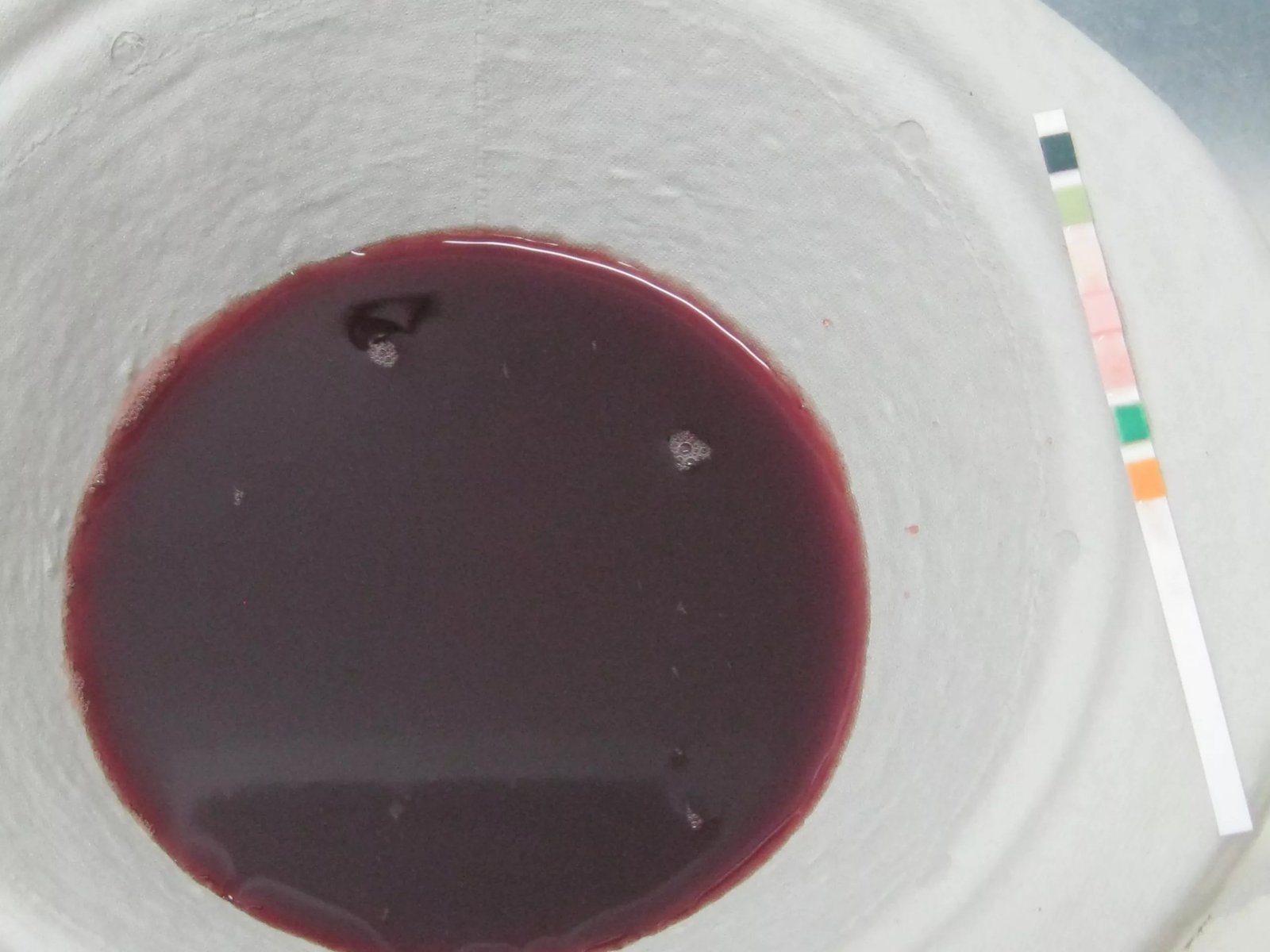
The image shows a positive dipstick test for hematuria in a urine sample.
Dipstick tests can give false-negative results. Therefore, the main diagnosis of the condition is made by microscopic analysis of the urine sample.
Urine Cytology
This involves visualizing the urine sample under a microscope to detect any abnormal cells, such as cancerous cells.
Urine Culture
Pathologists collect the urine sample and then incubate it to check for the presence of bacteria.
Imaging Tests:
Cystoscopy involves visualizing your urethra and urinary bladder by inserting a small camera known as a cystoscope. This test reveals important information about your bladder and urethral health.
Non-invasive imaging tests like ultrasound, CT scans, and MRI scans produce highly detailed images of the urinary system. This aids in diagnosing underlying pathologies causing hematuria.
Differential Diagnosis:
Hemoglobinuria Vs Hematuria
While both terms refer to the presence of blood in urine, hemoglobinuria is the condition in which free hemoglobin is detected in urine, and hematuria is a state where intact red blood cells are present. Hemoglobinuria patients have broken down RBCs in the urine instead of the blood.
Hematuria Treatment
Treatment strategies depend on the underlying cause of the condition.
Antibiotic Therapy:
UTI is a major cause of hematuria. Therefore, doctors treat the pathology with antibiotics. The release of blood in urine goes away with the resolution of other symptoms.
Endometriosis Management:
A variety of drugs are advised in the management of endometrial inflammation, including gonadotropin-releasing hormone (GnRH) antagonists and hormonal birth control pills.
CKD Management:
Doctors recommend different types of medicines for chronic kidney disease management. Diuretics, anti-hypertensives (ACE inhibitors), and statins (anti-hyperlipidemics) are frequently used drugs for this purpose.
BPH Management:
Most commonly advised drugs to treat an enlarged prostate include 5-α reductase inhibitors and α-blockers.
Cancer Therapy:
Depending on the type, location, and growth of the tumor, doctors choose from therapies including radiotherapy, chemotherapy, immunotherapy, and surgery (or a combination of different strategies).
The main aim of all treatment is to resolve the underlying disorder, so the leakage of blood into the urine stops.
Wrapping Up
Hematuria or blood in urine is a condition linked to different types of health disorders (urological diseases, infections, and cancers, etc.). Blood in pee can turn your urine pink or bright red colored. When noticeable amounts of blood are present, the condition is called gross or macroscopic hematuria. However, microscopic hematuria constitutes a very small quantity of blood in your pee (detected under a microscope). In most cases, it is asymptomatic but may present with symptoms and proteinuria.
When present, patients report symptoms like painful urination, with increased frequency and urinary urgency. Tummyaches, back pain, and flank pain can accompany fever/chills and nausea. Associated presentations depend on the underlying cause of the disorder. Women might see some blood in their urine during their menstrual cycles.
Urinary tract infection and renal infections are major contributors to blood mixing (especially in children). Clinicians have also recognized inflammatory conditions like bladder cystitis and endometriosis as culprits. Kidney stones, chronic kidney disease, and benign prostatic hyperplasia can also cause discharge of blood in urine. Direct trauma to the urinary system and cancers like urothelial carcinoma, bladder cancer, and prostate cancer also lead to hematuria.
Diagnosis is made using diagnostic imaging, a dipstick test, and urinalysis. Treatment depends on the type of issue causing hematuria. Antibiotics are advised for infections, α-blockers given for BPH, and anti-hypertensives recommended for CKD. Cancer therapy involves chemo, radio, or immunotherapy for management.
References
[1] Ogita, M., Kawamori, J., Yamashita, H., & Nakagawa, K. (2021). Palliative radiotherapy for gross hematuria in patients with advanced cancer.Scientific Reports,11(1), 9533.
[2] Alamdarloo, S. M., Hashemi, A., Hessami, K., Askary, E., Barzegar, H., Haseli, S., & Abbaspour, E. (2025). Gross hematuria and placenta percreta: Report of two cases and literature review.Journal of Obstetrics and Gynaecology Research,51(1), e16177.
[3] Perrin, P., Bassand, X., Benotmane, I., & Bouvier, N. (2021). Gross hematuria following SARS-CoV-2 vaccination in patients with IgA nephropathy.Kidney international,100(2), 466-468.
[4] Barocas, D. A., Boorjian, S. A., Alvarez, R. D., Downs, T. M., Gross, C. P., Hamilton, B. D., … & Souter, L. H. (2020). Microhematuria: Aua/sufu guideline.The Journal of urology,204(4), 778-786.
[5] Um, Y. J., Chang, Y., Kim, Y., Kwon, M. J., Jung, H. S., Lee, K. B., … & Ryu, S. (2023). Risk of CKD following detection of microscopic hematuria: a retrospective cohort study.American Journal of Kidney Diseases,81(4), 425-433.
[6] Zand, L., Fervenza, F. C., & Coppo, R. (2023). Microscopic hematuria as a risk factor for IgAN progression: considering this biomarker in selecting and monitoring patients.Clinical Kidney Journal,16(Supplement_2), ii19-ii27.
[7] Mehta, A., Williams, V., & Parajuli, B. (2017). Child with Dysuria and/or Hematuria.The Indian Journal of Pediatrics,84(10), 792-798.
[8] Chiew, Y. W., & Yang, C. S. (2009). The case∣ of disabling frequent urination in a young adult. Kidney International,76(1), 123-124.
[9] Heitz, C., & Singer, J. I. (2011). Recurrent abdominal pain and hematuria.Pediatric emergency care,27(7), 663-666.
[10] Zaver, H. B., Ghoz, H., Mechtler, A., Puiu, T., & Cangemi, D. J. (2021). Hematuria, spots, and abdominal pain.European Journal of Gastroenterology & Hepatology,33(3), 455-456.
[11] Feit, L., John, D., Torres, N. D., & Sinert, R. (2021). Flank pain and hematuria is not always a kidney stone.The American Journal of Emergency Medicine,40, 225-e1.
[12] Diep, M., & Parikh, N. (2021). Kidney Rupture: An Unusual Cause of Abdominal Pain, Flank Pain and Hematuria in a 72-Year-Old Female.
[13] González-Padilla, D. A., García-Rojo, E., Abad-López, P., & Guerrero-Ramos, F. (2022). Metastatic testicular cancer presenting with hematuria and flank pain.Urology Annals,14(2), 196-198.
[14] Vakili, S. T. T., Alam, T., & Sollinger, H. (2014). Loin pain hematuria syndrome.American journal of kidney diseases,64(3), 460-472.
[15] Schwartz, R., Distal, R., Shapiro, A., & Waisman, Y. (2017). Evidence of a link between fever and microscopic hematuria in children.European Journal of Pediatrics,176(6), 787-790.
[16] Yılmaz, S., Bayhan, G. İ., & Karbancıoğlu, E. Y. (2021). A Rare Cause of Hematuria in Children: Ebstein-Barr Virus.Cocuk Enfeksiyon Dergisi,15(4), E239-E242.
[17] Bono, M. J., & Reygaert, W. C. (2022). Urinary tract infection.StatPearls [Internet]. Treasure Island (FL): StatPearls Publishing.
[18] Alsaywid, B. S., Alyami, F. A., Alqarni, N., Neel, K. F., Almaddah, T. O., Abdulhaq, N. M., … & Labani, S. K. (2023). Urinary tract infection in children: A narrative review of clinical practice guidelines.Urology Annals,15(2), 113-132.
[19] Willis, G. C., & Tewelde, S. Z. (2019). The approach to the patient with hematuria.Emergency Medicine Clinics,37(4), 755-769.
[20] D’Amico, M. J., Foss, H., Uhr, A., Rudnick, B., Kloniecke, E., & Gomella, L. G. (2022). Hemorrhagic cystitis: a review of the literature and treatment options.Can J Urol,29(5), 11276-11283.
[21] Allameh, F., Fallahkarkan, M., Moradi, A., Rakhshan, A., Danesh, N., & Nekuie, S. (2018). Endometriosis: A Rare Cause of Gross Hematuria.International Journal of Cancer Management,11(2).
[22] Orlandi, P. F., Fujii, N., Roy, J., Chen, H. Y., Lee Hamm, L., Sondheimer, J. H., … & CRIC Study Investigators Appel Lawrence J. Go Alan S. Lash James P. Rao Panduranga S. Rahman Mahboob. (2018). Hematuria as a risk factor for progression of chronic kidney disease and death: findings from the Chronic Renal Insufficiency Cohort (CRIC) Study.BMC nephrology,19(1), 150.
[23] Newme, K., Hajong, R., & Bhuyan, R. K. (2021). A clinical study on surgical causes of Hematuria.Journal of Family Medicine and Primary Care,10(1), 265-271.
[24] Takeuchi, M., McDonald, J. S., Takahashi, N., Frank, I., Thompson, R. H., King, B. F., & Kawashima, A. (2021). Cancer prevalence and risk stratification in adults presenting with hematuria: a population-based cohort study.Mayo Clinic Proceedings: Innovations, Quality & Outcomes,5(2), 308-319.