
 is a medication approved for the management of type 2 diabetes and is also widely used for weight...)
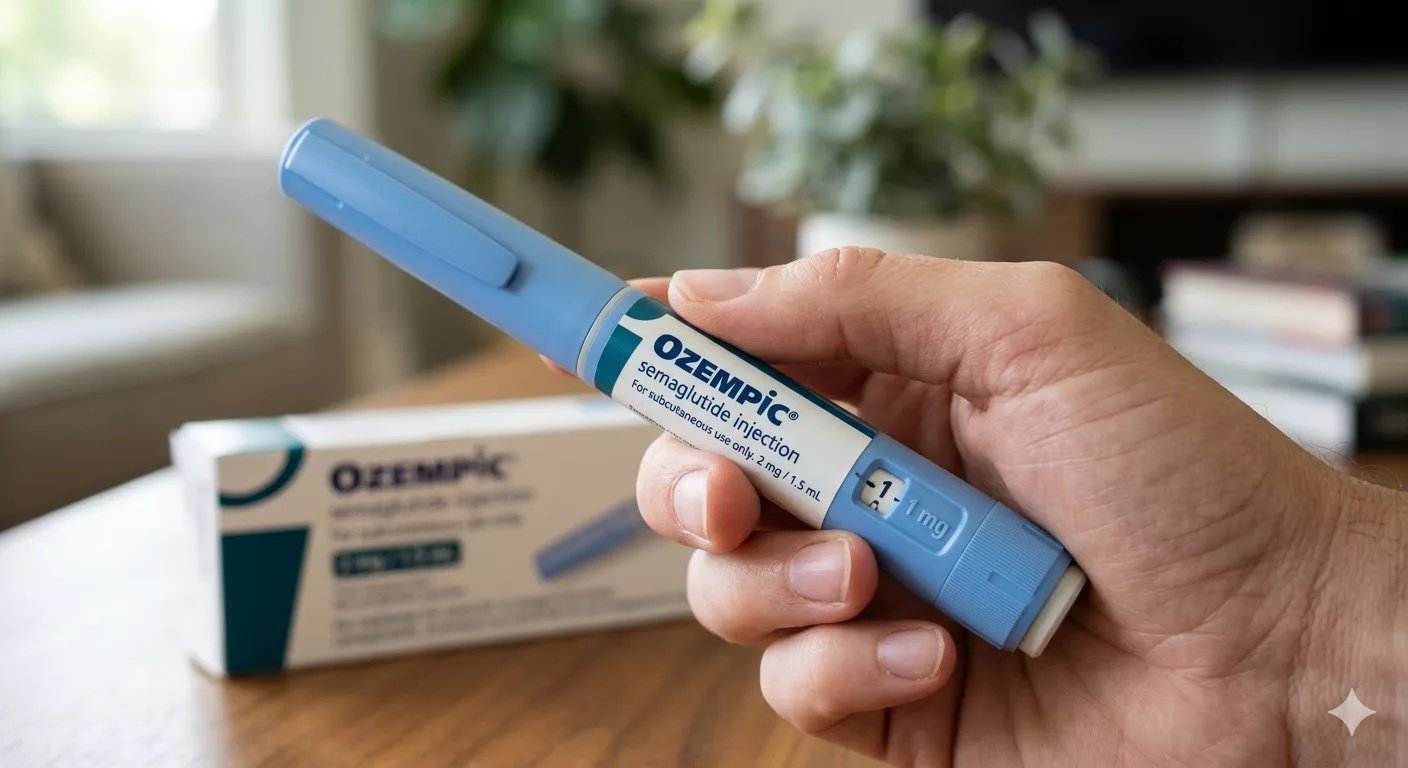
Prevent Muscle Loss Ozempic (Semaglutide) is a medication approved for the management of type 2 diabetes and is also widely used for weight loss due to its effects on appetite and metabolism. It primarily works by influencing insulin, glucagon, and appetite.
Besides reducing weight, it has been observed that Ozempic may reduce your lean body mass. This is a concern, and researchers have found that it is partly preventable with the right strategies.
The article covers Ozempic from the basics to give you a good understanding of the medication and its effects, and explains how to manage the concern of muscle loss associated with weight loss.
What is Ozempic?
Ozempic is a brand name of semaglutide. It is a prescription medication that was approved by the U.S. Food and Drug Administration(FDA) in 2017 for the treatment of type 2 diabetes. Besides its use in diabetes, some physicians prescribe it off-label for weight loss as well.[1]
Basics of Ozempic (Semaglutide)
Before we discuss the mechanism by which Ozempic works, it would be helpful to know about GLP-1 and GLP-1 receptors first.
Glucagon-Like Peptide-1 (GLP-1)
GLP-1 is a naturally occurring hormone that is produced in the intestine, mainly by L-cells of the small intestine, after we eat.
GLP-1 has the following actions:
- Stimulates the release of insulin from the β-cells of the pancreas when our blood glucose rises. (Insulin helps move the glucose from the blood into the cells)
- Suppresses the secretion of glucagon, thus reducing the glucose level in the blood
- Reduce hunger as it works on the appetite-regulating centers in the brain (hypothalamus)
- Slows the emptying of the stomach into the duodenum
Because of these effects, experts consider GLP-1 as an incretin hormone (a hormone that improves the secretion of insulin after eating). However, the action of GLP-1 lasts only a few minutes as it is quickly broken down by an enzyme called DPP-4 (dipeptidyl peptidase-4).
GLP-1 Receptors
They are proteins in certain cells. When GLP-1 attaches to it, it causes various functions in our body.
These receptors are present in:
- Pancreas: causes the secretion of insulin
- Brain (hypothalamus): controls our appetite (hunger) and satiety
- Stomach: slows the emptying of the stomach into the duodenum
- Also in the heart, blood vessels, and kidneys
How does Ozempic work in your body?
Scientists have developed certain drugs that mimic the action of the natural GLP-1 hormone. They are known as GLP-1 receptor agonists.
These medications include:
- Semaglutide (Ozempic or Wegovy)
- Liraglutide
- Dulaglutide
- Exenatide
When you are given Ozempic, your body responds to it just like GLP-1. The following are the effects of Ozempic on your body.
- Stimulates the release of insulin
- Suppresses glucagon, thus reducing the circulating glucose
- Slows stomach emptying, which delays the process of glucose entrance into your bloodstream
- Affects appetite-regulating centers in the brain, thus making you feel less hungry and full early to avoid taking in more calories[2]
What are the common uses of Ozempic?
Ozempic is commonly used for the following uses:
1. Management of Type 2 Diabetes
- Ozempic helps in increasing insulin secretion, reducing glucagon release, and slowing gastric emptying
- These hormonal changes improve blood sugar control in adults with type 2 diabetes.
- Clinicians prescribe Ozempic when diet and exercise are insufficient alone, and other medications such as metformin fail in achieving sugar control
2. Weight Loss (Off-label Use)
- Ozempic is also used for the management of obesity.
- It works by reducing hunger and making you feel full early while eating
- However, the FDA has not officially approved Ozempic for weight loss.
- But under another brand name (Wegovy), semaglutide is approved by the FDA for obesity.
3. Reducing Major Cardiovascular Risk
- Ozempic is also helpful in reducing the occurrence of diseases or dangerous outcomes related to the heart and blood vessels in patients with type 2 diabetes.
- This includes myocardial Infarction (heart attack), stroke, or death related to the heart and blood vessels.[3]
Overall, Ozempic is quite an effective drug in reducing the risk of metabolic syndrome (a syndrome ofobesity, diabetes, high blood pressure, and lipid disorders). However, Ozempic is not used for type 1 diabetes or diabetic ketoacidosis.
How clinicians administer Ozempic?
Clinicians administer Ozempic subcutaneously (under the skin) once per week using a prefilled injection pen. Patients can also inject it themselves.
The common sites for injecting Ozempic include:
- Abdomen
- Thigh
- Upper arm
The pen already contains the medication (Ozempic), so patients simply dial the dose and inject the drug under the skin.
What are the Dose Strengths of Ozempic?
The Ozempic pen delivers several dose options, which are:
- 0.25 mg (usually the starting dose)
- 0.5 mg
- 1 mg
- 2 mg
For the first few weeks, Ozempic is given in a low dose, such as 0.25 mg. After that, the dose is increased in a stepwise manner.
This is to help the body adjust to the medication and reduce gastrointestinal side effects, such as nausea. However, the Ozempic medication should not be administered more than 2 mg per week.
What are the Side effects of using Ozempic?
Just like any other medication, Ozempic also causes certain side effects, especially during the initial stages of treatment or when the dose increases. Some of these side effects are quite common, while others occur rarely.
Common Side Effects
The most frequently reported side effects of Ozempic are related to the digestive system. They occur mostly at the start of the therapy.
This includes:
- Nausea (most common)
- Vomiting
- Diarrhea
- Constipation
- Abdominal pain or discomfort
Less Common Side Effects
Other side effects that occur less frequently include:
- Fatigue
- Headache
- Dizziness
- Loss of appetite
- Injection site reactions, such as redness, swelling, or itching.
Serious but Rare Side Effects
The FDA has issued the strongest safety warning for Ozempic about the potential risk of thyroid C-cell tumors.[4]
Besides this, other serious side effects that may be associated with the use of Ozempic include:
- Pancreatitis
- Vision changes
- Low blood sugar (especially when used with insulin or sulfonylureas)
- Kidney problems
- Gallstones
- Serious allergic reactions
It is important to mention that experts have noticed a reduction in lean body mass besides the reduction in weight. It can also lead to facial sagging.

Ozempic, an increasingly popular medical treatment of obesity. True results depend on individual factors.
Wightloss on Ozempic – Is it Muscle or Fat?
This is an important question, and we need to analyze the recent research on whether weight loss is due to fat loss or loss of lean body mass. Lean body mass refers to everything in the body that is not fat, including muscles, bones, organs, and body water.
What research says about it?
- Ozempic itself does not target the muscle tissue.5Wilding JPH, Batterham RL, Calanna S, et al. Once-weekly semaglutide in adults with overweight or obesity. N Engl J Med. 2021;384(11):989–1002.
- Semaglutide induces a reduction in weight by decreasing the intake of energy rather than directly targeting the muscle tissue itself.6Blundell J, Finlayson G, Axelsen M, et al. Effects of semaglutide on appetite and energy intake. Diabetes Obes Metab. 2017;19(9):1242–1251.
- A study on semaglutide treatment shows that most of the weight loss occurred due to reductions in fat mass itself.7Wilding JPH, Batterham RL, Calanna S, et al. Once-weekly semaglutide in adults with overweight or obesity. N Engl J Med. 2021;384(11):989–1002.
- However, another study estimates that 25–39% weight reduction was attributable to loss of lean body mass.8Wadden TA, Bailey TS, Billings LK, et al. Effect of subcutaneous semaglutide on body composition. Obesity (Silver Spring). 2021;29(6):1099–1107.
- Lean body mass loss observed in these studies includes not only skeletal muscle but also body water and organ tissue.9Heymsfield SB, Gonzalez MC, Shen W, et al. Skeletal muscle mass and quality. Am J Clin Nutr. 2015;101(3):514–523.
Overall, most of the weight loss associated with semaglutide is due to fat loss. However, there is a variable (25-39%) but clinically significant contribution from the reduction in lean body mass as well. In simple words, if someone loses 10 kg of weight, it is expected that 2–4 kg may be lean tissue.
However, other studies suggest that it also depends on diet, activity level, and other individual factors.10Preservation of lean soft tissue during weight loss induced by GLP-1 and GLP-1/GIP receptor agonists: A case series. Clin Med Insights Endocrinol Diabetes. 2025. Therefore, preserving lean body mass requires a comprehensive approach that considers lifestyle factors alongside the effects of the medication, rather than focusing on the drug alone.
Why can muscle loss occur during Ozempic-induced weight loss?
People use Ozempic for weight loss, but they may also lose some muscle mass. This can be a concern as losing muscle may cause negative effects.
Experts believe the following reasons may be responsible for the loss of lean body mass in people who use Ozempic or other GLP-1 receptor agonists.
- Reduced calorie intake (appetite suppression)
- Low protein consumption11Haines M, et al. Protein intake and muscle preservation in patients on semaglutide. Endocrine Society (ENDO 2025).
- Lack of resistance exercise
Research suggests that the loss of lean body mass is mainly due to caloric deficit and reduced energy intake rather than the direct effects of the drug.12Müller TD, Blüher M, Tschöp MH, et al. Anti-obesity drug discovery and GLP-1 receptor agonists. Nat Rev Drug Discov. 2022;21(3):201–223.
How can you Prevent Muscle Loss while using Ozempic?
Current studies suggest that the loss of lean body mass while using Ozempic mostly depends on individual factors rather than the direct drug effect.
This makes it more preventable by adopting certain behaviors that may help you not lose your muscle mass or strength while aiming to lose weight with Ozempic.
1. Consume a protein-rich diet
Sufficient intake of protein is an important protective factor against the loss of muscle mass while you are on Ozempic.
Experts recommend consuming about 1.2–1.6 g/kg/day ofprotein in the diet to preserve muscle mass while losing overall weight.[5]
For example, if you weigh 80 kg, you should aim for consuming 90-120 g of protein per day. Good sources of protein include red meat, fish, beans, pulses, eggs, and dairy products.
2. Do Resistance Training
Resistance training is one of the most effective ways to maintain and build muscle.[6]
This includes:
- Weight lifting
- Bodyweight exercises (such as push-ups, squats)
- Resistance bands
Experts recommend that you do resistance training at least 2-3 times weekly. When resistance training is combined with proper nutrition, it not only preserves your muscle mass but also improves your strength, endurance, and fat loss.
3. Avoid Extreme Calorie Restriction
This is a very important point, as when people aim to lose weight, they restrict themselves to taking as few calories as possible. However, you should note that Ozempic already reduces appetite.[7]
Therefore, you should take in appropriate calories and aim for gradual weight loss rather than crash dieting.
Make sure to eat a balanced diet that includes protein, healthy fats, and micronutrients.
4. Stay Physically Active Daily
Beyond muscle-building workouts, you should stay physically active for the rest of your day.
Simple habits such as:
- Walking regularly
- Climbing stairs
- Participating in sports
can help you in preserving functional muscle mass and overall mobility. Prolonged inactivity, on the other hand, increases the risk of muscle loss.
5. Get Enough Sleep
Muscle growth and repair occur during rest, not during exercise. That’s why you should aim for about 7-9 hours of good quality sleep. This helps to support your hormonal balance and muscle repair.
On the other hand, poor sleep may impair your muscle recovery and increase catabolic hormonal activity, such as higher cortisol levels.
6. Stay hydrated
A good fluid intake not only helps in the proper delivery of nutrients to the muscles but also supports exercise performance and your overall well-being.You should aim for drinking at least 2-3 liters of water per day, though individual needs may vary.
Who is at Higher Risk of Muscle Loss with Ozempic?
You may be more vulnerable to losing muscle if you:
- are eating low-protein diets
- are not doing resistance training
- are an older adult (such as more than 50 years of age)
- already have low muscle mass
- physically inactive
- are losing weight very rapidly
These factors may increase your chances of losing muscle, especially when combined. However, with the right strategies, such as a good diet and strength exercises, you can significantly reduce the chances of losing muscle while still taking benefit from the weight loss of Ozempic.
Final Takeaway
Ozempic is an effective drug for the management of type 2 diabetes and obesity and has been shown to reduce heart problems in patients with type 2 diabetes. Despite not being approved for weight loss by the FDA, its control over metabolic hormones and appetite made it a popular option for those aiming to reduce their weight and improve overall metabolism.
While using Ozempic, most of the weight loss is due to fat reduction; a measurable portion may be due to lean body mass, which includes muscles. However, current research suggests that the muscle loss may be influenced by lifestyle factors such as strength training and a protein-rich diet. That’s why health experts recommend lifestyle changes besides Ozempic to achieve weight loss without losing muscle mass to avoid weakness and other complications.
References
[1] FDA.Ozempic (semaglutide) Injection – Prescribing Information. 2017 (updated regularly).
[2] Drucker DJ.Mechanisms of Action and Therapeutic Application of Glucagon-like Peptide-1.Cell Metabolism. 2018;27(4):740–756.
[3] Marso SP, et al.Semaglutide and Cardiovascular Outcomes in Patients with Type 2 Diabetes.New England Journal of Medicine. 2016;375:1834–1844.
[4] Drugs.com. Ozempic (semaglutide): uses, dosage, side effects, warnings [Internet]. Drugs.com; 2026
[5] Wilding JPH, Batterham RL, Calanna S, et al. Once-weekly semaglutide in adults with overweight or obesity. N Engl J Med. 2021;384(11):989–1002.
[6] Blundell J, Finlayson G, Axelsen M, et al. Effects of semaglutide on appetite and energy intake. Diabetes Obes Metab. 2017;19(9):1242–1251.
[7] Wilding JPH, Batterham RL, Calanna S, et al. Once-weekly semaglutide in adults with overweight or obesity. N Engl J Med. 2021;384(11):989–1002.
[8] Wadden TA, Bailey TS, Billings LK, et al. Effect of subcutaneous semaglutide on body composition. Obesity (Silver Spring). 2021;29(6):1099–1107.
[9] Heymsfield SB, Gonzalez MC, Shen W, et al. Skeletal muscle mass and quality. Am J Clin Nutr. 2015;101(3):514–523.
[10] Preservation of lean soft tissue during weight loss induced by GLP-1 and GLP-1/GIP receptor agonists: A case series. Clin Med Insights Endocrinol Diabetes. 2025.
[11] Haines M, et al. Protein intake and muscle preservation in patients on semaglutide. Endocrine Society (ENDO 2025).
[12] Müller TD, Blüher M, Tschöp MH, et al. Anti-obesity drug discovery and GLP-1 receptor agonists. Nat Rev Drug Discov. 2022;21(3):201–223.
[13] Jäger R, et al.ISSN Position Stand: Protein and Exercise.J Int Soc Sports Nutr. 2017;14:20.
[14] ACSM Position Stand.Progression Models in Resistance Training for Healthy Adults.Med Sci Sports Exerc. 2009;41(3):687–708.
[15] Weinheimer EM, et al.A systematic review of the separate effects of energy restriction and exercise on fat-free mass.