

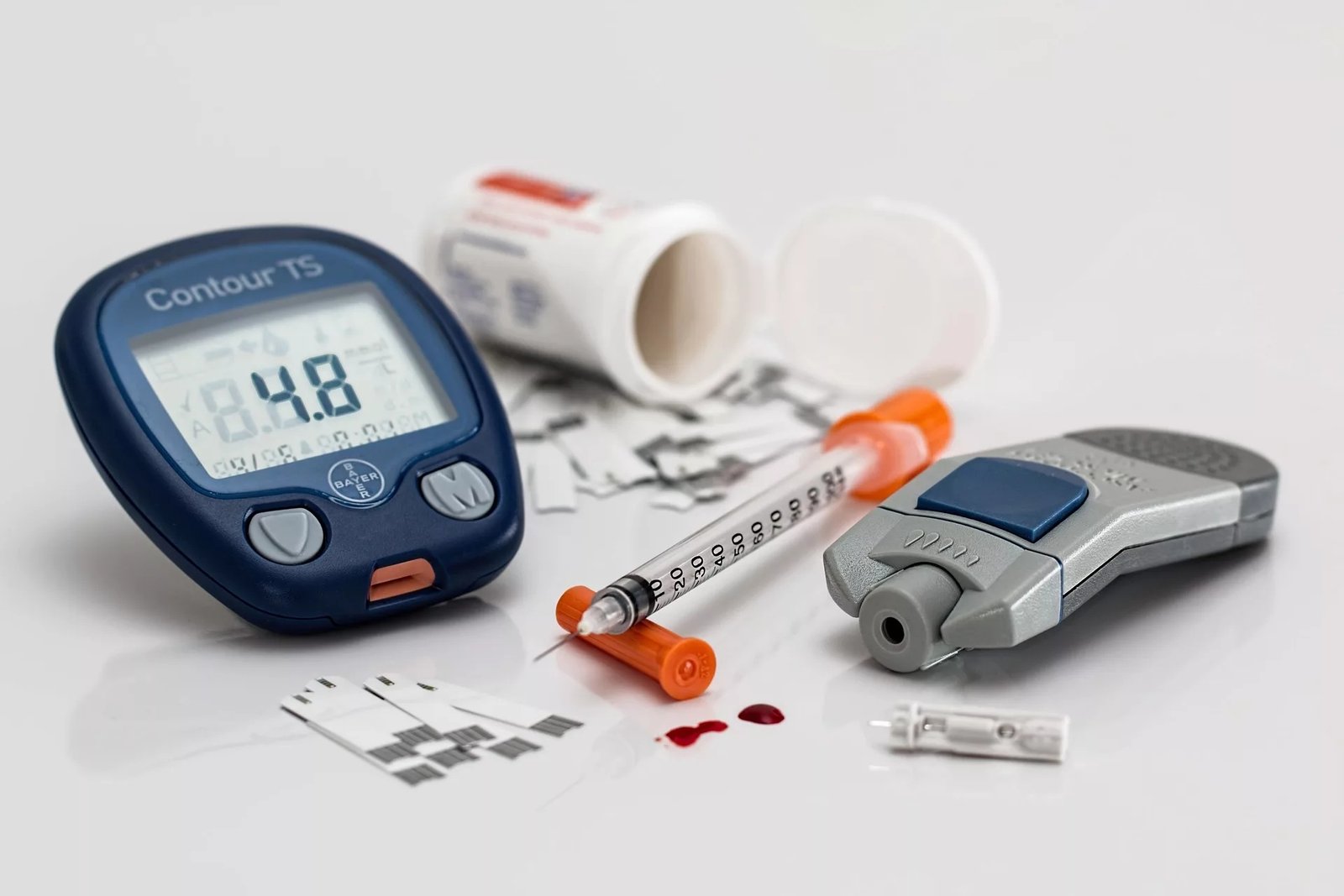
Test Diabetes According to the World Health Organization, around 830 million people suffered from diabetes in 2022. Sadly, the prevalence of the disease continues to rise in low- and middle-income countries despite awareness programs.
This article provides information on how you can test for diabetes, so it can be detected early and managed appropriately. Studies show that early diagnosis and treatment help prevent or delay the vascular complications of diabetes. The ultimate result of this process is a reduced clinical, social, and economic burden of the disease.
Identify The Signs And Symptoms : Test Diabetes
You must be aware of the initial signs and symptoms of diabetes. For ease of understanding, you need to remember the 4Ts of diabetes:
Toilet: Frequent urination is a classic feature of diabetes. Polyuria (excessive urination) develops because your kidneys have to overwork to get rid of the extra sugar.
Thirst: The excessive urination ultimately leads to excessive thirst (polydipsia).
Thinner: Unexplained weight loss is a feature of different disorders. In case of diabetes, the body is unable to utilize glucose properly, which leads to burning of fat and muscle.
Tired: Most patients suffering from diabetes report having extreme fatigue and feeling more tired than usual.
There are several more features of the common pathology; however, you need to keep an eye out for the above-mentioned symptoms. If you notice any of these, you should test for diabetes.
How To Test For Different Types Of Diabetes?
There are different types of diabetic conditions that you can fall prey to. Diabetes mellitus is divided into types 1 and 2. The cause of glucose mismanagement for these conditions is different, and therefore, the diagnostic tests and treatment plans also differ slightly.
How To Test For Diabetes Type 2?
Type 2 diabetes is the most common type of diabetes mellitus. Therefore, we first discuss the diagnostic tests for it. Most of the diagnostic tests are performed on a sample of blood taken from your vein.
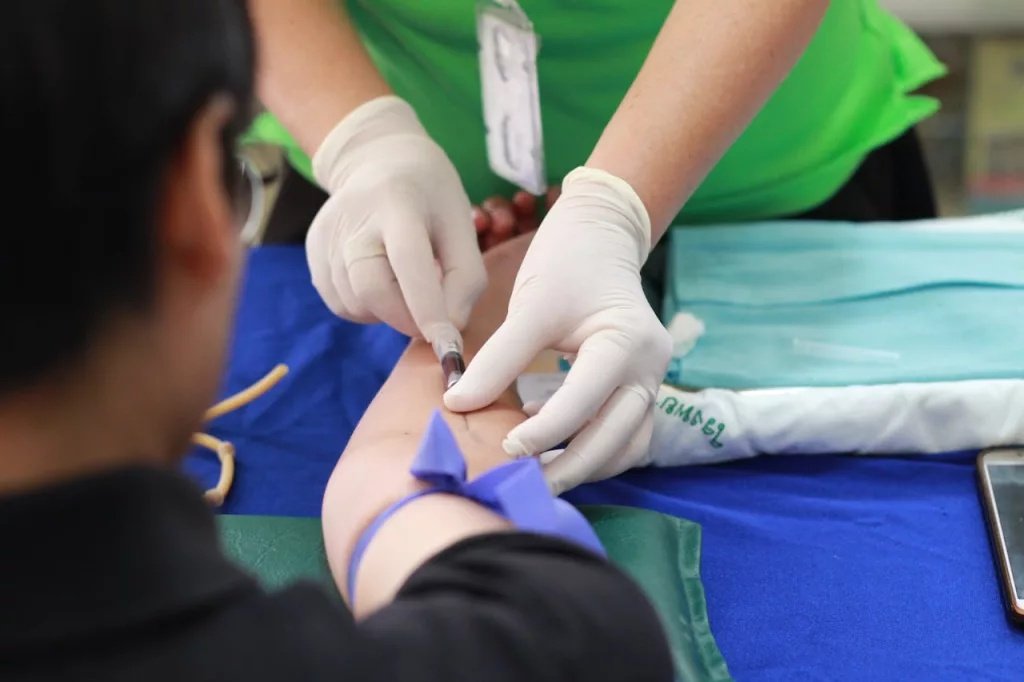
A healthcare worker withdraws blood from a vein in a patient’s arm to test for diabetes.
The most commonly used tests include fasting glucose, HbA1c, and oral glucose tolerance testing. No single test is universally “best”; the choice depends on clinical context and availability. The most frequently adopted diagnostic test worldwide is the blood sugar test. This test checks the level of glucose (sugar) in your blood. There are 2 types of blood sugar tests.
Fasting Blood Sugar (FBS)/Fasting Plasma Glucose (FPG) Test:
As the name indicates, in this test, sugar levels in your blood are tested after 8-12 hours of fasting. It is also known as the fasting plasma glucose test or FPG. In most cases, doctors advise you to test your glucose levels in the morning (after fasting overnight) without eating/drinking anything.
For an FPG/FBS, a nurse/lab technician withdraws blood from your vein and analyzes it in the laboratory. Deranged FBS test values are frequently seen in patients suffering from type 2 diabetes and diabetic complications (like diabetic nephropathy), which makes it a reliable test. However, abnormal values are also seen in other cases of pancreatic pathologies (like pancreatitis and pancreatic cancer).
Interpretation Of Results
You can get an idea of your condition by comparing your results to the following values:
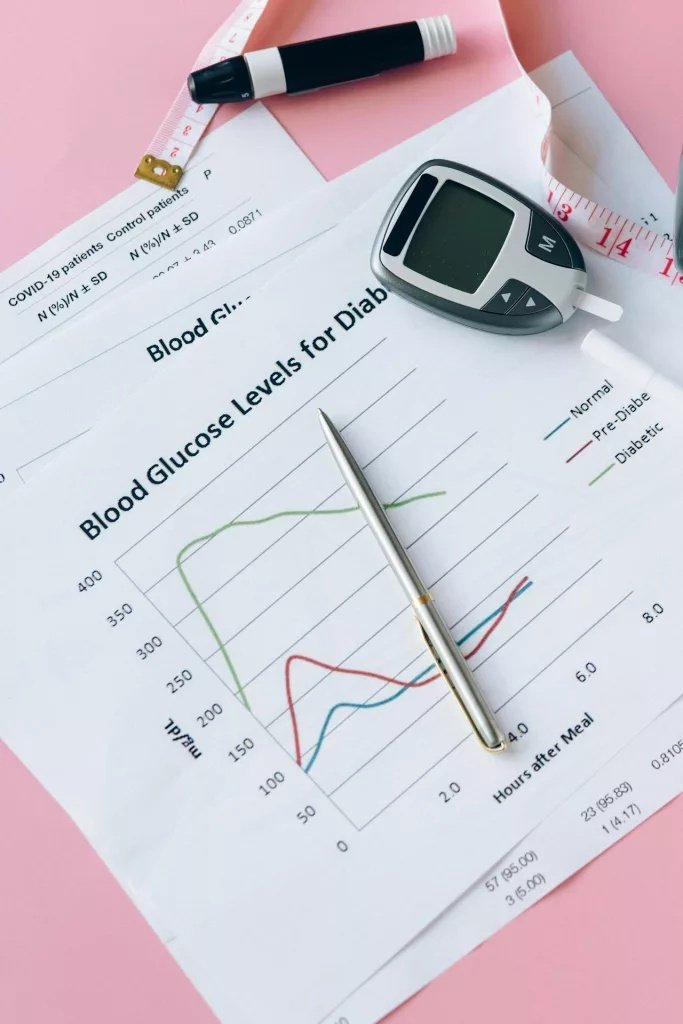
A glucose chart to differentiate between different conditions, i.e., no diabetes, prediabetes, and diabetes.
Normal Sugar Level Range:
According to most clinicians, your test results are normal if your value lies between 70 and 99 mg/dL or 3.9 to 5.5 mmol/L.
Prediabetes:
You have a condition called prediabetes if your FBS value lies in the range of 100-125 mg/dL or 5.6-6.9 mmol/L.
Diabetes:
You are a type 2 diabetes patient if the value is 126 mg/dL (7.0 mmol/L) or higher.
What Is Prediabetes?
This is a health condition in which you have higher than normal glucose levels, but not high enough to be diagnosed as a type 2 diabetes patient. It is caused either by insufficient production of the hormone insulin or insulin resistance.
Insulin resistance is a phenomenon in which your body cells (especially muscles) become resistant to the hormone insulin (mainly due to fat deposition). This resistance leads to suboptimal performance of the insulin hormone and consequent dysregulation of blood sugar levels.
People with prediabetes have a high chance of becoming diabetic. Therefore, doctors emphasize dietary and lifestyle changes as preventive measures. Clinical trials claim that these steps also improve cardiovascular function.
Oral Glucose Tolerance Test (OGTT):
Another test for type 2 diabetes is the oral glucose tolerance test. In this particular test, you take a fasting blood test and then consume some sugary item like a drink. A 75g glucose load is typically given to test the body’s response. After consuming the sugary food/drink, you wait for 2 hours and then test the blood sugar levels again.
This test helps in diagnosing diabetes and prediabetes. However, the most common use of this particular test is in diagnosing gestational diabetes, i.e., diabetes during pregnancy. This test measures how well the body can process large amounts of sugar.
The oral glucose tolerance test is the optimal method of screening/diagnosing women with PCOS. It is superior to other tests like FPG and HbA1c.
Interpretation Of Results
Values after 2 hours of glucose loading indicate the following:
Normal Sugar Level Range:
Your test results are normal if your value lies below 140 mg/dL or 7.8 mmol/L.
Prediabetes:
You have prediabetes if your OGTT value lies in the range of 140-199 mg/dL or 7.8-11.1 mmol/L.
Diabetes:
You are suffering from type 2 diabetes if the value is 200 mg/dL (11.1 mmol/L) or higher.
Hemoglobin A1C (HbA1c) Test:
The HbA1c test is a frequently adopted test to diagnose diabetes. Unlike the above-mentioned tests, this test does not require you to fast. It tests your blood sugar levels over the past 3 months.
What Is HbA1C?
Your red blood cells have a compound called hemoglobin (Hb), which is responsible for the delivery of oxygen to the body. HbA1c refers to glycated hemoglobin, i.e., the blood compound (in RBCs) which forms after sugar (glucose) binds to it. What happens is that when your body can not consume available sugar properly, the excess sugar reaches your blood. In the blood, this sugar binds to the hemoglobin in your red blood cells, leading to the formation of glycated hemoglobin (HbA1c). This test measures the amount of HbA1c in your blood. As the average life of an RBC is 2-3 months, the test provides glycemic information for the past 2-3 months.
Interpretation Of Results
HbA1c test results are also given in percentage. The values indicate:
Normal Sugar Level Range:
Your test results are normal if your value is below 117 mg/dL or 6.5 mmol/L. A percentage of below 5.7% is considered normal.
Prediabetes:
You have prediabetes if your HbA1c value lies in the range of 117-137 mg/dL or 6.5-7.6 mmol/L. A 5.7-6.4% of HbA1c is termed prediabetes.
Diabetes:
You are a type 2 diabetes patient if the value is 137 mg/dL (7.6 mmol/L) or higher. Patients have a high risk of complications if the values are greater than 6.4%.
Random Glucose Test
In a random glucose test, you check the blood sugar levels at any time. A value ≥200 mg/dL (11.1 mmol/L) in the presence of classic symptoms is suggestive of diabetes and requires confirmation.
Urine Test
In type 2 diabetes cases, we often see sugars being released in the patient’s urine. Ancient Indians and Europeans checked if ants gathered around a person’s urine (attraction to sweet) to diagnose or rule out diabetes. In fact, the word diabetes mellitus (Latin) means “honey-sweet,“ which was based on the wonderfully sweet smell of the patient’s urine. There are different ways of detecting glucose (sugars) in the urine.
Urinalysis
It can be a part of the urinalysis, a test that checks for different substances (chemicals, dead cells, etc.) present in the urine. A urinalysis is carried out in a laboratory on a urine sample provided by the patient.
Another test associated with diabetes is the ketone testing. In this particular test, lab technicians check the levels of ketones (byproducts of fat metabolism) in your urine. Ketones in the urine may indicate a serious complication of diabetes, i.e., diabetic ketoacidosis.
The rise of ketones in the blood usually precedes the presence of measurable quantities in the urine. Therefore, the serum ketone level test helps prevent the onset of ketoacidosis.
Diagnostic Strips (Diptsticks)
Now, we have easier and quicker methods to test for sugar in the urine. You can get urine diagnostic strips from a pharmacy. To do the test, you will ideally need to collect the first urine in the morning. Doctors advise that after cleansing the genitals, you start urinating in the toilet and pause to introduce a sterile collection cup. Clinicians prefer a “midstream” sample.
You then dip the reagent strip into the cup and ensure that it is fully submerged. Wait for the exact time mentioned on the packaging and then remove it. Shake off the excess urine and compare the color change to the provided color chart to determine your glucose levels. The test is not very reliable as it can potentially give false positives.
These tests can also help in diagnosing another type of diabetes, i.e., Mature Onset of the Diabetic Young (MODY).
How To Test for Type 1 Diabetes?
All the sugar tests (serum and urine tests) done for type 2 diabetes are the same for type 1 diabetes. However, doctors perform some additional tests. This is because, unlike type 2, type 1 diabetes is an autoimmune disorder. Tests to differentiate between type 1 and type 2 diabetes include:
Autoantibody Test
It is a blood test that detects certain immune system markers that are linked to the destruction of insulin-producing beta cells in your pancreas. For this, a healthcare professional draws a small amount of blood from a vein in your arm and sends the sample to a lab for analysis. The presence of two or more of the following antibodies indicates early-stage type 1 diabetes (antibodies are immune cells that neutralize foreign invaders like viruses, toxins, etc.):
- Insulin (AA)
- Glutamic acid decarboxylase (GAD65)
- Insulinoma-associated-2 (IA-2A)
- Zinc transporter (ZnT8)
The presence of these antibodies suggests autoimmune diabetes and an increased risk or progression toward type 1 diabetes, rather than confirming diagnosis on its own.
How To Test For Gestational Diabetes?
Gestational diabetes is the condition of high blood sugar during pregnancy in an otherwise non-diabetic person. Hormonal changes during childbearing are responsible for the suboptimal performance of the insulin hormone and consequent development of diabetes.
Doctors usually carry out screening for gestational diabetes during 24-48 weeks of pregnancy as it is believed to yield the most accurate results. In most countries, healthcare workers rely on the OGTT for diagnosis. However, a combination of tests is used for better workup in the US. Thus, the following tests are performed to diagnose gestational diabetes:
Glucose Challenge Test
Also known as the glucose screening test or the one-hour glucose tolerance test, it measures your body’s ability to process sugars. There is no fasting required. You have to drink a 50g sugary solution and wait for one hour before a healthcare worker withdraws blood from your arm (vein) and measures the sugar levels. If your values are high, i.e., ≥ 140 mg/dL, it indicates potential diabetes, so doctors perform a 3-hour test.
2 To 3-Hour Glucose Tolerance Test
For this, you need to fast for 8 hours and then take the test. A healthcare provider draws blood from a vein. Then you are given a 100g glucose drink. After the drink, a healthcare worker checks your sugar levels (by withdrawing blood) at one-, two-, and/or three-hour intervals.
Interpretation Of Results
Fasting sugar levels above 92 g/dL (5.1 nmol/L), 1-hour levels above 180 mg/dL (10.0 mmol/L), and 2-hour levels above 153 mg/dL (8.5 mmol/L) indicate gestational diabetes.
Glucose Monitoring
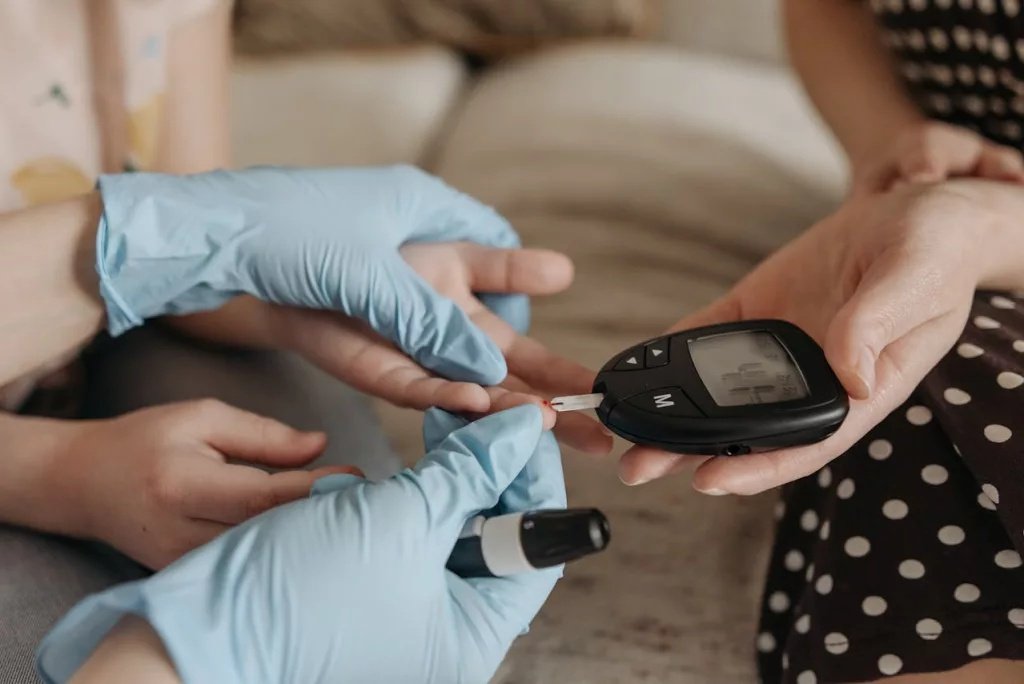
A healthcare worker measures the sugar levels of a patient with the finger-prick test.
This is done in diabetics. Most patients keep a portable glucometer device at home to check their blood glucose levels. In this finger-prick test, patients prick their skin with a lancet (short, fine needle) attached to a finger-prick device. A small amount (drop) of blood is placed on a test strip, which is then inserted into a blood glucose meter. The device instantly gives you the sugar values.
Continuous glucose monitoring (CGM) systems are also increasingly used for more detailed glucose tracking.
References
[1] World Health Organization. Diabetes [Internet]. Geneva: World Health Organization; 2024 [cited 2026 Apr 13]. Available from: https://www.who.int/news-room/fact-sheets/detail/diabetes
[2] Ambady, R., & Chamukuttan, S. (2008). Early diagnosis and prevention of diabetes in developing countries.Reviews in Endocrine and Metabolic Disorders,9(3), 193-201.
[3] Zhang, Q., Zhao, G., Yang, N., & Zhang, L. (2019). Fasting blood glucose levels in patients with different types of diseases.Progress in molecular biology and translational science,162, 277-292.
[4] Duong, K. N., Tan, C. J., Rattanasiri, S., Thakkinstian, A., Anothaisintawee, T., & Chaiyakunapruk, N. (2023). Comparison of diagnostic accuracy for diabetes diagnosis: A systematic review and network meta-analysis.Frontiers in Medicine,10, 1016381.
[5] Echouffo-Tcheugui, J. B., & Selvin, E. (2021). Prediabetes and what it means: the epidemiological evidence.Annual review of public health,42(1), 59-77.
[6] Belsti, Y., Enticott, J., Azumah, R., Tay, C. T., Moran, L., Ma, R. C., … & Mousa, A. (2024). Diagnostic accuracy of oral glucose tolerance tests, fasting plasma glucose and haemoglobin A1c for type 2 diabetes in women with polycystic ovary syndrome: A systematic review and meta-analysis.Diabetes & Metabolic Syndrome: Clinical Research & Reviews,18(3), 102970.
[7] Huang, J., Yeung, A. M., Bergenstal, R. M., Castorino, K., Cengiz, E., Dhatariya, K., … & Klonoff, D. C. (2024). Update on measuring ketones.Journal of Diabetes Science and Technology,18(3), 714-726.
[8] Abebayehu, A. (2023). Urine test strip analysis, concentration range and its interpretations of the parameters.GSC Biol Pharm Sci,22(2), 1-13.
[9] Cherubini, V., & Chiarelli, F. (2023). Autoantibody test for type 1 diabetes in children: are there reasons to implement a screening program in the general population? A statement endorsed by the Italian Society for Paediatric Endocrinology and Diabetes (SIEDP-ISPED) and the Italian Society of Paediatrics (SIP).Italian Journal of Pediatrics,49(1), 87.