


Lymphedema Symptoms Effective Lymphedema is a long-term condition that causes swelling because your lymphatic system is not working properly. Healthcare providers can’t cure lymphedema, but they can help you manage symptoms and protect your quality of life.
What is Lymphedema?: Lymphedema Symptoms Effective
Lymphedema is a chronic swelling caused by the build-up of protein-rich lymph fluid. This happens when the lymphatic system is damaged or blocked and can’t drain fluid effectively. The arms and legs are most often affected, but swelling may also appear in the chest, neck, or genitals.
Lymphedema itself is not cancer, but it often develops after cancer treatments, surgery, or injuries that disrupt the lymphatic system. Though there’s no cure, treatment like therapy, compression, exercise, and sometimes surgery helps you manage your symptoms. You should see a doctor if you have new or persistent swelling, signs of infection (red, hot skin with fever), or sudden painful swelling.[1]
What is the Lymphatic System?
The lymphatic system collects leftover fluid, proteins, and waste from tissues and sends them back into your bloodstream. It also helps protect you from infections by passing the fluid through the lymph nodes, which clear it out.
When the lymph vessels or nodes get damaged or blocked, fluid can’t drain properly and builds up in your tissues. This results in swelling, known as lymphedema. Imagine water pooling behind a clogged drainpipe; that’s what happens in your body with lymphedema.[2]
Types of Lymphedema
There are two main types of lymphedema, based on what causes it and where it starts:
| Type | Cause | Onset | Common Features |
|---|---|---|---|
| Primary lymphedema | Birth-related lymphatic system defect | Damage or blockage from surgery, cancer, infection, trauma, orobesity | Both legs, slow onset |
| Secondary lymphedema | Usually, one limb is involved | Months to years after injury | Usually one limb is involved |
Stages of Lymphedema
The International Society of Lymphology (ISL) classified lymphedema by its clinical stage or severity. This staging guides how your doctor should approach treatment.[5]
| Stage | Description | Symptoms |
|---|---|---|
| 0 | Latent/subclinical | Feeling heaviness or tingling in the affected arm or leg but no visible swelling |
| 1 | Reversible | Soft swelling that leaves a dent when pressed (pitting) and improves with limb elevation |
| 2 | Spontaneously irreversible | Hardening of tissues; swelling stays even with elevation |
| 3 | Severe (elephantiasis) | Intense swelling, thick skin, chances of infections and skin changes |
Symptoms of Lymphedema
Lymphedema usually develops gradually, and if you know the early signs, you can catch it before it becomes severe. These usually start on one side of the body, most commonly in your arm or leg, but can affect other areas like the chest, neck, or even the genitals. The symptoms of lymphedema include:[6]
- Feeling of heaviness or tightness (in the affected arm or leg)
- Visible swelling and changes in limb size
- Clothes and jewelry feel tighter
- Difficulty in moving limbs
- Gently pressing on the swollen area forms a temporary dent (pitting edema)
- Non-pitting swelling (dent no longer forms when pressed)
- Skin may become rougher, harder, or have an “orange peel” texture
- Dull, aching pain or a feeling of tightness that worsens during activity or heat
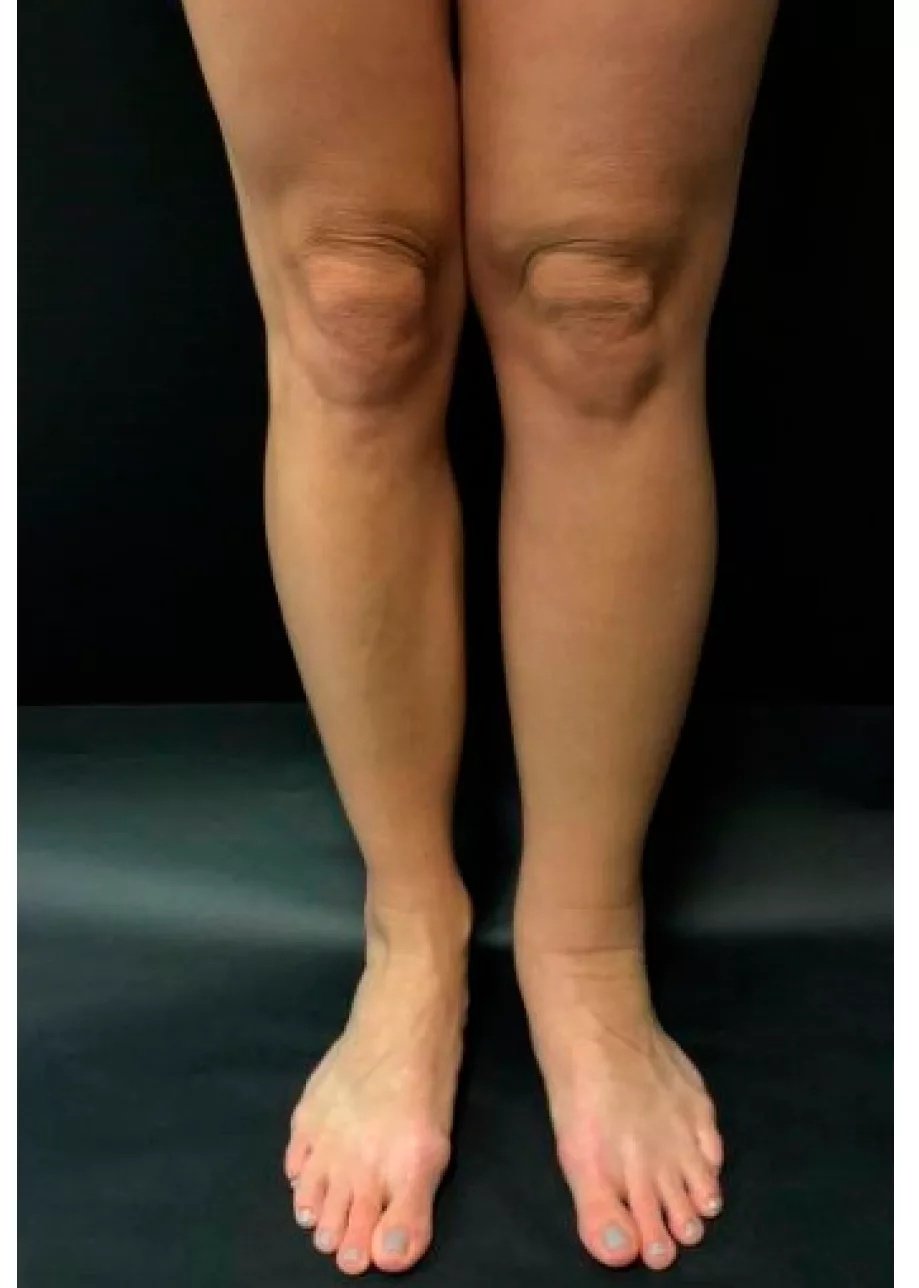
The image shows a patient who has primary lymphedema in the left leg that started during adolescence. The image is from Senger, J.L.B.; Kadle, R.L.; Skoracki, R.J. Current Concepts in the Management of Primary Lymphedema.Medicina2023,59, 894. Available viaMDPIand licensed under the Creative Commons Attribution 4.0 International license (CC BY 4.0).

The image showstypical lymphedema of the top of the foot.You can’t pinch the skin on the top of the foot between your fingers; this is a finding called theStemmer sign. The image is from Senger, J.L.B.; Kadle, R.L.; Skoracki, R.J. Current Concepts in the Management of Primary Lymphedema.Medicina2023,59, 894. Available viaMDPIand licensed under the Creative Commons Attribution 4.0 International license (CC BY 4.0).
Damage to your lymphatic system can increase your risk of skin infections such as cellulitis or erysipelas. These infections require immediate medical attention. Signs of these skin infections are:
- Redness
- Warmth
- Tenderness
- Fever, and sometimes chills
In severe lymphedema, your skin can crack, blister, or break down. This causes the formation of openings in your skin that increase the risk of infection.
What are the causes of Lymphedema?
Lymphedema develops when your lymphatic system fails to properly drain lymph fluid. This fluid buildup causes swelling, typically in your arms or legs. The causes of lymphedema are different for each type and can be classified as:
- Primary lymphedema (from inherited or birth-related problems)
- Secondary lymphedema (from damage or blockage later in life)
Primary Lymphedema:
Primary lymphedema occurs because of problems you’re born with, like missing or damaged lymph vessels. It typically affects your legs but can involve other parts of your body as well. The swelling starts slowly and might show up at birth, during puberty, or later in adulthood.
Primary lymphedema is further divided based on age when symptoms start:
- Congenital lymphedema (Milroy disease): Symptoms show up at birth or during the first two years of life. It often runs in families and is caused by genetic mutations affecting lymph vessel development. The swelling involves both legs and mostly your lower limbs.
- Lymphedema praecox (Meige disease): This type of primary lymphedema appears during puberty or early adulthood, usually before age 35. It usually affects one leg and is more common in females, likely due to hormonal factors.
- Lymphedema tarda: This is the least common type and shows up after age 35.
Other than these causes, primary lymphedema can also be associated with syndromes such as lymphedema-distichiasis (additional eyelashes) or Turner syndrome.
Secondary Lymphedema:
Secondary lymphedema is the most common form of lymphedema. It is caused by damage or blockage to a previously healthy lymphatic system. Common causes of secondary lymphedema include:
- Cancer and cancer treatments: Surgery to remove lymph nodes or radiation therapy, especially for breast, gynecologic, melanoma, prostate, and head and neck cancers, often damage lymphatic vessels and cause lymphedema.
- Infections: Skin infections like cellulitis (infection of the skin and the tissue under it) can damage lymph vessels. Globally, parasitic infections like filariasis (elephantiasis) are major causes of this type of lymphedema.
- Surgery or trauma: Injuries, burns, or surgical procedures unrelated to cancer can also harm lymph vessels.
- Chronic venous insufficiency: Poor blood flow causes fluid to leak out of the veins and results in swelling.
- Obesity: Excess fat can compress lymph vessels.
How is Lymphedema diagnosed?
Your healthcare provider diagnoses lymphedema using a combination of medical history, physical examination, and imaging tests.[7]
History & Physical Exam:
Your provider will ask about when swelling started, any history of cancer treatments (especially surgeries removing lymph nodes or radiation), infections, injuries, or family history of lymphedema.
During the physical exam, the doctor will:
- Compare limb size and shape with the unaffected side.
- Check for swelling, which may start soft and leave a “pit” (indentation) when pressed.
- Look for changes such as skin thickening, firmness, or texture like an “orange peel”
- Test for the stemmer sign (inability to pinch a skin fold at the base of the toes or fingers).
This exam is very useful in identifying early stages and distinguishes lymphedema from other causes of swelling.
Magnetic Resonance Imaging (MRI):
MRI uses a strong magnetic field and radio waves to produce high-resolution, 3D images of your tissues. It can show any thickening and differentiate fluid swelling from fat deposits.
Computed Tomography (CT):
A CT scan uses X-rays to produce detailed cross-sectional images of your body. It can detect blockages or masses that are causing lymphatic obstruction. Although CT scans are sensitive and specific, they are not used routinely because of radiation exposure and cost.
Ultrasound:
This technique uses sound waves to create images of tissues beneath your skin. Ultrasound is safe, widely available, and non-invasive, often part of the initial workup.
Lymphoscintigraphy:
Lymphoscintigraphy is considered the gold standard for diagnosing lymphedema. It involves injecting a tiny amount of radioactive tracer into your skin near the affected limb. A special camera then tracks the tracer as it moves through your lymph vessels and nodes.

The image shows lymphoscintigraphy for assessment of lymphatic function. A) Lower limb lymphedema showing pooling of lymphatic fluid in the left calf and decreased lymph node activity. B) Lymphedema after breast surgery, the test showed fluid building up in the lower part of the left arm and much less activity in the underarm lymph nodes. The image is from ‘Current diagnostic and quantitative techniques in the field of lymphedema management: a critical review‘ by Vargo, M., Aldrich, M., Donahue, P. et al. is licensed under CC BY 4.0.
What is Lymphedema treatment?
Lymphedema treatment helps control swelling, lowers the risk of infections, and improves movement. While there’s no cure for this condition, many effective treatment options help you manage your symptoms. Treatment is divided into physical (non-surgical) therapies and surgical options, depending on the severity of your condition.
Physical Treatments for Lymphedema:
The ideal physical treatment for lymphedema is complete decongestive therapy (CDT), which consists of two phases:
- Decongestive/Reduction phase: During this phase, therapists perform manual lymphatic drainage (gentle massage), apply compression bandages, guide exercises, and teach you skin care.
- Maintenance phase: In this phase, you wear compression garments daily, continue exercises, and care for your skin to keep the swelling down.
CDT is highly effective in reducing limb size and improving symptoms. It involves following techniques:[8]
Manual Lymphatic Drainage (MLD)
MLD is a specialized light massage performed by trained therapists. It directs lymph fluid away from swollen areas towards working lymph nodes. You may also learn simple self-MLD techniques to continue care at home. However, MLD is not recommended in cases of infection, blood clots, or active cancer in the affected limb.
Compression Garments
These are elastic sleeves, stockings, or gloves worn daily after the initial swelling reduces. You usually need several pairs to wear alternately for hygiene and consistent treatment. You have to replace them every 3 to 6 months because they lose effectiveness over time.
Compression Bandaging
Compression bandages (short-stretch type) wrap the limb snugly to reduce swelling. They offer low pressure at rest and higher pressure during movement, helping muscle contractions push out lymph fluid. It also reduces fibrosis (hardening) of tissues.
Compression Devices
A compression device is also called an intermittent pneumatic compression (IPC) pump. You slip your arm or leg into a sleeve that fills with air and gently squeezes in cycles. This squeezing helps move lymph fluid, lowers swelling, and makes your limb feel lighter.
Your provider may recommend it if you have more advanced lymphedema or if you can’t wear compression garments all the time.
Skin Care
Good skin care prevents infections like cellulitis that can worsen lymphedema. You should:
- Keep skin clean and well-moisturized using low pH products.
- Protect limbs from injuries, cuts, insect bites, and sunburn.
- Seek instant treatment in case of redness, warmth, or other signs of infections or wounds.
Exercises
Physical activity helps lymph fluid move through the body. Muscle contractions act like natural pumps, pushing lymph through vessels. Your provider will recommend these exercises:
- Gentle aerobic activities such as walking, swimming, or cycling.
- Resistance exercises to improve muscle tone and support lymph flow.
- Breathing techniques to help lymph drainage.
Research shows exercise reduces swelling and improves strength and quality of life. You should wear compression garments or bandages during exercise and progress slowly.
Surgical Treatments for Lymphedema:
When physical therapies don’t fully control swelling or in advanced stages, surgery may be considered.
Dr. Lavinia Anzai, a plastic surgeon at the University of Chicago Medicine, explains that treating lymphedema works best with a team-based approach. Standard care usually starts with compression and physical therapy. However, newer surgeries like lymphaticovenous anastomosis (LVA) and vascularized lymph node transfer (VLNT) give you more options if you don’t get enough relief from traditional treatments. The combination of these methods has been shown to greatly improve patients’ quality of life.[9]
Common surgical approaches include:
- Lymphatic bypass procedure (Lymphovenous anastomosis, LVA): Small connections are made between lymph vessels and veins so that lymph can flow around blockages and enter the blood.
- Vascularized lymph node transfer (VLNT): Healthy lymph nodes are placed in the affected area to restore normal lymph flow.
- Liposuction: Removes fatty tissue in chronic lymphedema, with lifelong compression afterward.
- Direct excision: In severe cases, surgery removes extra-thickened tissue and skin to help your arm or leg move better.[10]
What is the prognosis if I have Lymphedema?
Though lymphedema is a lifelong condition, you can still manage it with early diagnosis and ongoing care. Prognosis depends on the stage at diagnosis, adherence to therapy, and factors like obesity or repeated infections. With proper control of the swelling, you can decrease the risk of infection and disability.
How can I prevent Lymphedema?
While some causes (like cancer surgery) can’t be avoided, following proven methods can lower your risk or delay the onset. The latest research highlights how important daily care, healthy habits, and early treatment are. Even though you may not completely avoid it, the following steps can slow development and keep swelling under control:
- Care for your skin and treat injuries right away
- Avoid tight clothes, pressure, or staying in one position too long, as these can block lymph flow
- Maintain a healthy weight and stay physically active
- Watch your limbs after cancer treatment and report any swelling as soon as possible
- Talk with your healthcare team about surgeries that may help prevent problems
Lipedema & Lymphedema
Lipedema and lymphedema are two long-term conditions that cause swelling in your arms or legs. However, they’re quite different in their causes, symptoms, and treatments.[11]
| Feature | Lymphedema | Lipedema |
|---|---|---|
| Cause | Lymph fluid buildup from damage to your lymphatic system | Abnormal fat collecting under your skin |
| Swelling | Usually happens in one limb, but can also occur in both | Normally affects both legs equally |
| Affected areas | Diet, exercise, compression, and liposuction for fat removal | Limbs, sparing hands and feet |
| Texture of swelling | Swelling starts soft, then skin becomes thick | Thick swelling without dents |
| Pain and bruising | May have discomfort; infections cause pain | Painful, tender, bruises easily |
| Response to elevation | Swelling may reduce with limb elevation early | Swelling does not improve with elevation |
| Treatment focus | Mistaken for obesity or lipedema | Manual lymph drainage, compression, and surgery |
| Risk of infections | High, especially cellulitis | Generally low |
| Common misdiagnosis | Mistaken for obesity or lymphedema | Mistaken as obesity or lymphedema |
Conclusion
Lymphedema is a long-term condition that happens when lymph fluid builds up and causes swelling, usually in your arms or legs. While it doesn’t have a cure, treatments like compression, exercise, skincare, and in some cases surgery can help you manage symptoms and protect your quality of life. You can lower your risk of problems and stay active and healthy by getting an early diagnosis and following your treatment plan.
References
[1] Sleigh, B. C., & Manna, B. (2025).Lymphedema. In StatPearls. StatPearls Publishing. https://www.ncbi.nlm.nih.gov/books/NBK537239/
[2] Kayıran, O., De La Cruz, C., Tane, K., & Soran, A. (2017). Lymphedema: From diagnosis to treatment.Turkish Journal of Surgery,33(2), 51–57. https://doi.org/10.5152/turkjsurg.2017.3870
[3] Senger, J.-L. B., Kadle, R. L., & Skoracki, R. J. (2023). Current concepts in the management of primary lymphedema.Medicina,59(5), 894. https://doi.org/10.3390/medicina59050894
[4] Varghese, S. A. (2021). Secondary lymphedema: Pathogenesis.Journal of Skin and Sexually Transmitted Diseases,3(1), 7–15. https://doi.org/10.25259/JSSTD_3_2021
[5] Consensus Document. (2020, June 2).The diagnosis and treatment of peripheral lymphedema: 2020 consensus document of the International Society of Lymphology.Lymphology, 53(1), 3–19. https://doi.org/10.2458/lymph.4649
[6] Grada, A. A., & Phillips, T. J. (2017). Lymphedema: Pathophysiology and clinical manifestations.Journal of the American Academy of Dermatology,77(6), 1009–1020. https://doi.org/10.1016/j.jaad.2017.03.022
[7] Vargo, M., Aldrich, M., Donahue, P., Iker, E., Koelmeyer, L., Crescenzi, R., & Cheville, A. (2024). Current diagnostic and quantitative techniques in the field of lymphedema management: A critical review.Medical Oncology,41(10), 241. https://doi.org/10.1007/s12032-024-02472-9
[8] Kayıran, O., De La Cruz, C., Tane, K., & Soran, A. (2017). Lymphedema: From diagnosis to treatment.Turkish Journal of Surgery,33(2), 51–57. https://doi.org/10.5152/turkjsurg.2017.3870
[9] Anzai, L. M., & Chang, D. W. (2025). Educational review: Management of lymphedema—approaches, evidence for surgical and nonsurgical interventions.Annals of Surgical Oncology,32(9), 6620–6628. https://doi.org/10.1245/s10434-025-17463-x
[10] Sanka, S. A., Chryssofos, S., Anolik, R. A., & Sacks, J. M. (2025). Advances in surgical management of chronic lymphedema: Current strategies and future directions.Medical Oncology,42(2), 44. https://doi.org/10.1007/s12032-024-02576-2
[11] Lomeli, L. D., Makin, V., Bartholomew, J. R., & Burguera, B. (2024). Lymphedema vs lipedema: Similar but different.Cleveland Clinic Journal of Medicine, 91(7), 425–436. https://doi.org/10.3949/ccjm.91a.23084