

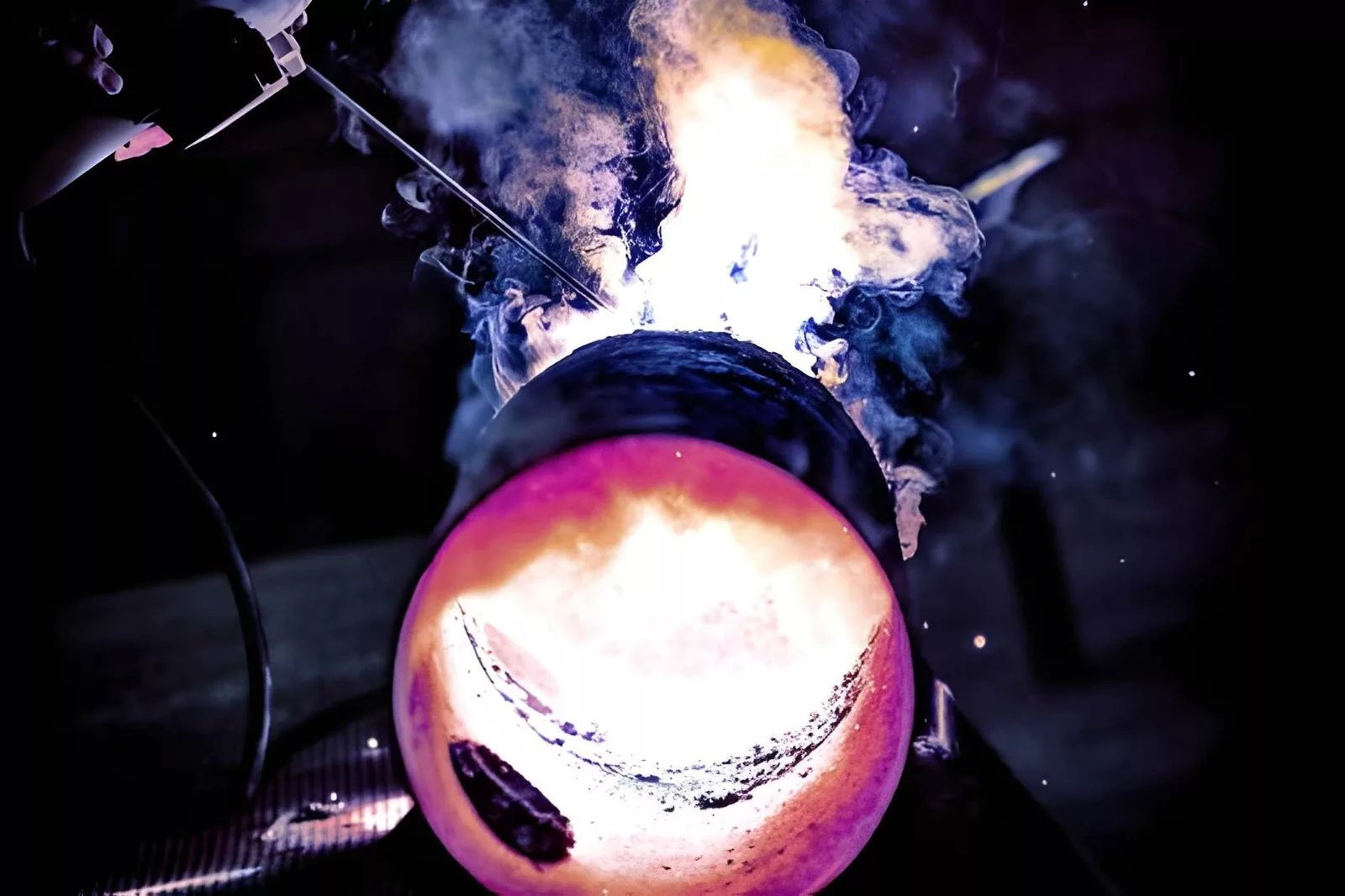
Metal fume fever or Welding Flu is an acute, self-limited inflammatory condition caused by inhalation of metal oxide fumes, most commonly zinc oxide, during welding. The condition usually develops during high-temperature metal work such as welding, brazing, cutting, or smelting. Symptoms typically begin within 3 to 10 hours after exposure (and may occur up to 12 hours later). You may notice a metallic taste in your mouth, coughing, fever, chills, headache, and muscle aches. When you have metal fume fever, it is easy to think you have a viral infection. However, the condition is an acute inflammatory response, not an infection caused by bacteria or viruses. Metal fume fever can be prevented by ensuring proper ventilation in your workplace.
What is Metal Fume Fever?
Metal fume fever, also called zinc feveris most frequently found in workers involved in welding. High-temperature welding and cutting produce metal oxide fumes consisting of very small particles. These fumes are primarily made up of ultrafine particles (usually less than 1 micrometer in size), which are invisible to the human eye and can easily be inhaled deep into the lungs.
Zinc oxide is the most common cause of metal fume fever, although other metals can also be involved. When inhaled in sufficient concentrations, these fumes trigger inflammation in the respiratory tract and systemic flu-like symptoms..
A classic occupational feature is the “Monday morning fever” phenomenon, where workers develop symptoms at the beginning of the workweek after time away from exposure. Temporary tolerance may develop with repeated exposure, but this does not eliminate risk.

Metal fume fever in welders: symptoms, causes, and prevention.
How does Metal Fume Fever develop?
Metal fume fever develops when you inhale tiny metal oxide particles. These particles form during high-temperature processes like welding, brazing, cutting, or smelting. When metals heat up to extreme temperatures, a small amount vaporizes. The vapor then cools and creates very fine oxide particles. These particles travel deep into your lungs. Inside the lungs, metal oxides activate immune cells such as macrophages. This leads to the release of inflammatory cytokines (including interleukin-6, interleukin-8, and tumor necrosis factor-alpha), producing a systemic inflammatory response. You’ll typically notice fever, chills, headache, muscle aches, and general weakness several hours after breathing in the fumes. The good news is your symptoms usually disappear within 24 to 48 hours once you stop the exposure.
Metals that commonly trigger MFF:
- Zinc (used in galvanized steel)
- Copper (found in brass alloys and soldering)
- Magnesium and aluminum (lightweight metals used in fabrication)
- Cadmium and other coatings (rare but highly toxic and associated with more severe lung injury rather than classic metal fume fever)
Processes that produce these fumes:
- Welding galvanized steel
- Torch cutting or grinding coated metal
- Brazing or soldering copper materials
- Foundry work with molten metals
- High-temperature metal spraying
Such tasks are particularly dangerous in confined or poorly ventilated areas, especially without local exhaust ventilation or proper respiratory protection.
Symptoms of Metal Fume Fever
Symptoms typically start within 3 to 12 hours after exposure and usually clear up in one or two days. Presentation is often flu-like and includes the following:
- Fever with chills
- Headache
- Fatigue and weakness
- Muscle aches and joint pain
- Dry cough, throat irritation, orhoarseness
- Shortness of breath, tightness of the chest, or chest pain
- Nausea, vomiting, or loss of appetite
- Dizziness
- A sweet or metallic taste in the mouth
Most symptoms are self-limiting (they usually go away without treatment). However, more serious metal toxicities can occur and may present with:
- Burning sensations
- Abnormal blood pressure (low or high)
- Pneumonia
- Intense wheeze
- Acute lung injury
These findings are uncommon and are more often associated with toxic exposures such as cadmium fumes or nitrogen oxides rather than zinc oxide alone.
When to Seek Medical Care?
Medical attention is recommended if:
• Breathing difficulty or chest tightness persists
• Fever lasts longer than 48 hours
• Symptoms worsen despite removal from exposure
• Cough becomes severe or blood-tinged
• Dizziness, confusion, or extreme weakness develops
Early evaluation helps exclude conditions such as pneumonia and ensures appropriate management.
How is Metal Fume Fever diagnosed?
This can be quite challenging because the symptoms presented in metal fume fever are similar to those presented in typical viral infections. There is no specific laboratory test that confirms metal fume fever. The diagnosis is primarily clinical and based on occupational exposure history, symptom timing, and resolution after removal from exposure. An important diagnostic point in metal fume fever is related to the way symptoms develop because they increase when in contact with metal vapors but decrease when this contact ceases.
Medical History:
The first important step towards the diagnosis of metal fume fever is to learn about the medical and work history of a patient. The physician will ask about recent welding or high-temperature metal exposure and the timing of symptom onset. The characteristic delay between exposure and symptom development is a key diagnostic clue.
Physical Examination:
This may be carried out in order to assess the general health of the patient and also to ascertain the illnesses the patient is suffering from. The Physician will perform a focused physical examination, including auscultation of the lungs, measurement of body temperature, and inspection for other signs of infection or inflammation. Lung examination is often normal or may reveal mild irritation.
Laboratory Tests:
Blood tests may show mild leukocytosis (elevated white blood cell count), reflecting inflammation. However, these findings are nonspecific. Metal levels in blood or urine are not routinely required and are often normal in uncomplicated metal fume fever.
Imaging Studies:
Imaging studies are not routinely required in uncomplicated metal fume fever, as chest radiographs are usually normal. The diagnosis is primarily clinical and based on exposure history and symptom timing.
However, chest imaging may be performed when symptoms are severe, prolonged, or when alternative diagnoses such as pneumonia, pulmonary edema, or acute lung injury need to be excluded. In rare complicated presentations, chest X-ray may demonstrate transient pulmonary infiltrates, interstitial changes, or pleural effusion. These findings typically resolve with supportive care and removal from exposure.
Imaging, therefore, serves mainly to rule out other pathologies rather than to confirm metal fume fever.
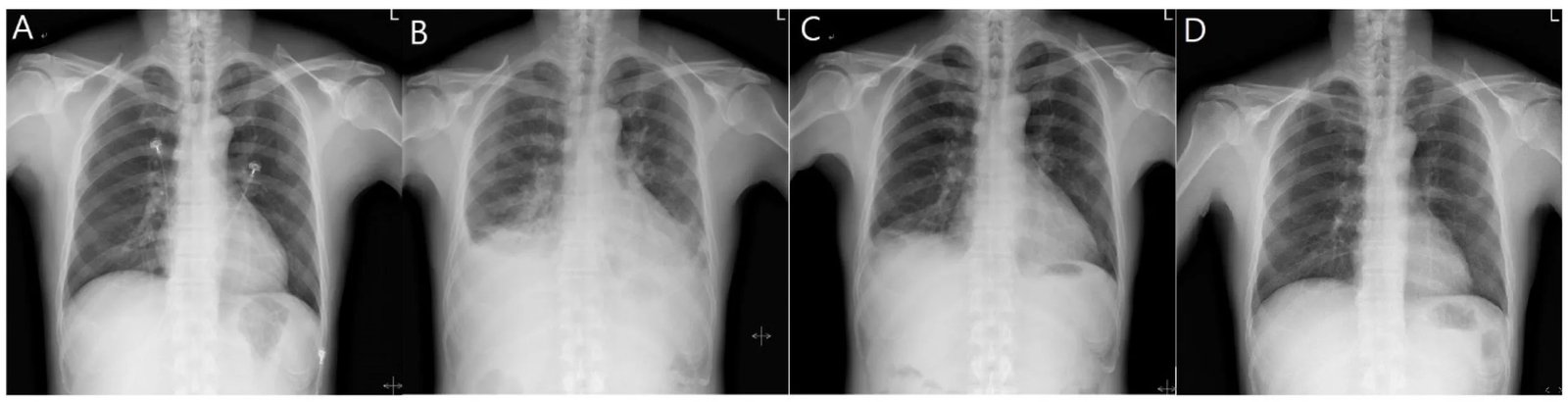
Chest X-ray series of zinc fume–induced acute lung injury showing temporary lung changes and later improvement after treatment. Image Courtesy: Cha, E. W., Jeon, D., Kang, D., Kim, Y. K., & Kim, S. Y. (2021). Chemical Pneumonitis Caused by the Inhalation of Zinc Oxide Fumes in an Arc Welder. International Journal of Environmental Research and Public Health, 19(13), 7954. accessed viaMDPIunder license CC BY 4.0
Differential Diagnosis
Conditions that may need to be excluded include:
- Influenza or other viral respiratory infections
- COVID-19
- Acute bronchitis
- Hypersensitivity pneumonitis
- Chemical pneumonitis
Treatment for Metal Fume Fever
The treatment of metal fume fever is primarily supportive because the condition is usually self-limiting. Removal from exposure is the most important intervention. Most cases resolve within 24 to 48 hours with rest and symptomatic care.
Supportive measures include:
- Adequate hydration
- Symptomatic relief with NSAIDs or acetaminophen for fever and body aches.
- Oxygen therapy may be provided if respiratory discomfort is present.
- Antibiotics are not required unless there is evidence of a secondary bacterial infection.
In rare cases of severe inhalational injury or chemical pneumonitis, more intensive management may be necessary. Corticosteroid therapy has been used in certain cases of acute lung injury caused by zinc oxide fumes to reduce inflammation and improve respiratory symptoms. However, steroid use should be guided by clinical judgment and specialist input, as evidence is based on selected case reports rather than universal protocols.
Long-Term Risks of Welding Fume Exposure
It is important to distinguish metal fume fever from the long-term health risks of chronic welding fume exposure. Metal fume fever itself does not cause cancer or chronic disease. However, repeated and prolonged exposure to welding fumes can increase long-term health risks.
Chronic exposure may contribute to:
- Impaired lung function
- Chronic bronchitis
- Increased susceptibility to respiratory infections
- Possible pneumoconiosis
- Cardiovascular effects
- Increased risk of lung cancer (especially with exposure to certain metals such as hexavalent chromium and nickel)
These risks are related to cumulative exposure, not a single episode of metal fume fever.
Prevention of Metal Fume Fever
Prevention is the most effective strategy for reducing exposure to metal oxide fumes and lowering the risk of metal fume fever and inhalational lung injury. The following strategies can help prevent MFF:
- Welding should be performed only when necessary, and alternative joining techniques such as bolts, fasteners, or robotic welding should be considered whenever feasible. Reducing reliance on manual welding decreases exposure to harmful fumes and improves workplace safety.
- Ensure adequate local exhaust ventilation.
- Separate welding work from other work areas. Assign a specified building or area only for welding work, if possible, or at least use the welding screens to confine the fumes.
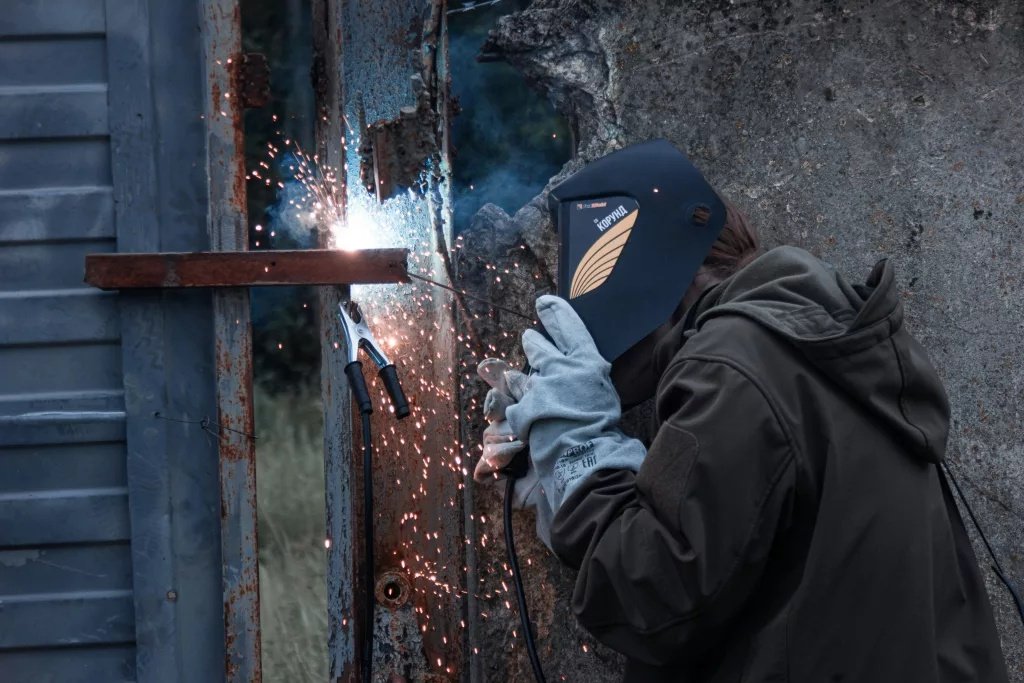
A welder using protective equipment while working on a metal surface. Highlights workplace safety measures such as limiting manual welding, separating welding areas, and using low-fume processes.
- Selecting safer welding processes and materials also helps reduce fume generation. Low-fume welding techniques and appropriate power settings can decrease particulate production.
- Materials that generate toxic fumes should be avoided when alternatives exist, and surface coatings such as paint or galvanized layers should be removed before welding to reduce hazardous emissions.
- Avoiding materials containing known carcinogens or highly toxic compounds further enhances workplace safety.
- Personal protective equipment (PPE) remains essential. Welding helmets, gloves, and protective clothing provide additional protection against direct exposure to sparks and particulate matter.
Final Remarks
Metal fume fever is a short-term, flu-like illness that occurs after inhaling metal oxide fumes, most commonly zinc oxide, during welding. Symptoms typically begin within 3 to 10 hours and resolve within 24 to 48 hours after exposure ends. The condition is an acute inflammatory response rather than an infection. Diagnosis is clinical and based largely on occupational history and timing of symptoms. Treatment is supportive, and prognosis is excellent.
The most important intervention remains prevention through proper ventilation, safe welding practices, and appropriate respiratory protection.
References
[1] William J., Daniels. “Health Hazard Evaluation Report: HHE-80-062-863, Hendrickson Manufacturing Company, Lyons, Illinois.”Health Hazard Evaluation Report: HHE-80-062-863: Hendrickson Manufacturing, 1 Apr. 1981, stacks.cdc.gov/view/cdc/173345, https://doi.org/10.26616/nioshhhe80062863. Accessed 8 Jan. 2026
[2] ROHRS, LLOYD C. “Metal-Fume Fever from Inhaling Zinc Oxide.”Archives of Internal Medicine, vol. 100, no. 1, 1 July 1957, p. 44, https://doi.org/10.1001/archinte.1957.00260070058005.
[3] Chemical Analysis of Welding Fume Particles Airborne Particle Size Is the Most Important Factor in Determining the Accuracy of a Method for Chemical Analysis
[4] Wardhana, null, and E. A. Datau. “Metal Fume Fever among Galvanized Welders.”Acta Medica Indonesiana, vol. 46, no. 3, 1 July 2014, pp. 256–262, pubmed.ncbi.nlm.nih.gov/25348190/.
[5] Brenner, Barry E., and Daniel Keyes. “Metal Fume Fever.”PubMed, StatPearls Publishing, 2022, www.ncbi.nlm.nih.gov/books/NBK583199/.
[6] “Archive App | CDC.”Cdc.gov, 2026, archive.cdc.gov/#/details?url=www.cdc.gov/niosh/pel88/1314-13.html. Accessed 8 Feb. 2026.
[7] Cha, E. W., Jeon, D., Kang, D., Kim, Y. K., & Kim, S. Y. (2021). Chemical Pneumonitis Caused by the Inhalation of Zinc Oxide Fumes in an Arc Welder.International Journal of Environmental Research and Public Health,19(13), 7954. https://doi.org/10.3390/ijerph19137954
[8] Wang, Y. F., Kuo, Y. C., & Wang, L. C. (2022). Long-term metal fume exposure assessment of workers in a shipbuilding factory.Scientific Reports,12, 790. https://doi.org/10.1038/s41598-021-04761-z
[9] Siew SS, Kauppinen T, Kyyrönen P, Heikkilä P, Pukkala E. Exposure to iron and welding fumes and the risk of lung cancer. Scand. J. Work Environ. Health. 2008 doi: 10.5271/sjweh.1296.
[10] Contributor, Henlex . “Metal Fume Fever: Complete Guide & Prevention Tips | Henlex.”Henlex.com, 2026, www.henlex.com/metal-fume-fever-guide-prevention/. Accessed 1 Jan. 2026.