

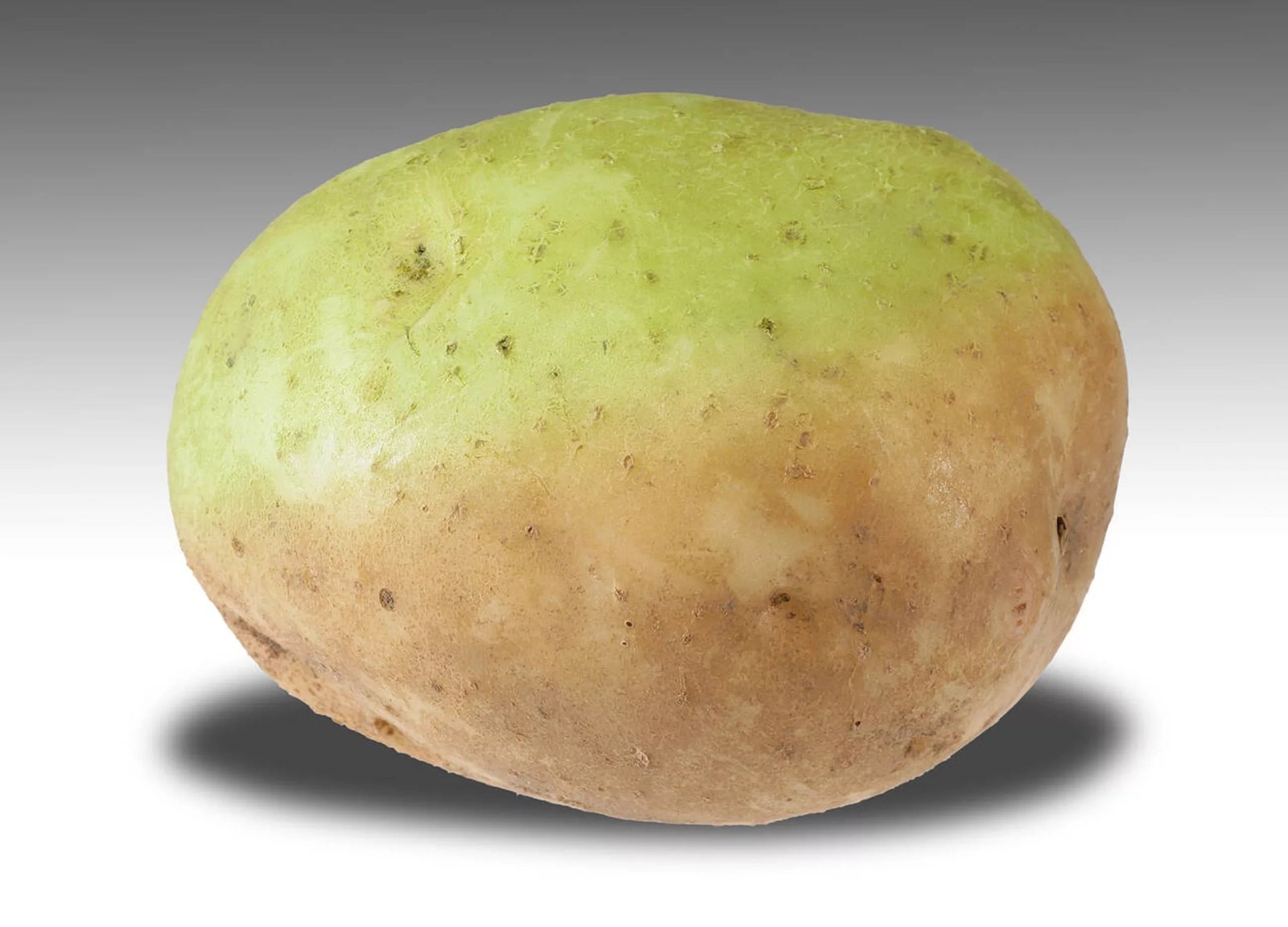
Solanine Poisoning Symptoms Solanine poisoning is a condition that results from the ingestion of large amounts of the natural toxin solanine. It is a naturally occurring glycoalkaloid found primarily in plants of the nightshade family. These plants include tomatoes, eggplants, and potatoes. This compound serves as a natural defence mechanism for plants. It protects them from pests and diseases. Excessive consumption of solanine-contaminated foods can lead to poisoning in humans. Solanine poisoning carries a range of neurological, systemic, and gastrointestinal symptoms. Diagnosis is primarily clinical. Currently, there is no specific antidote for solanine toxicity. Treatment mainly involves supportive care and symptom management. Although uncommon today, recorded cases of solanine poisoning do exist.
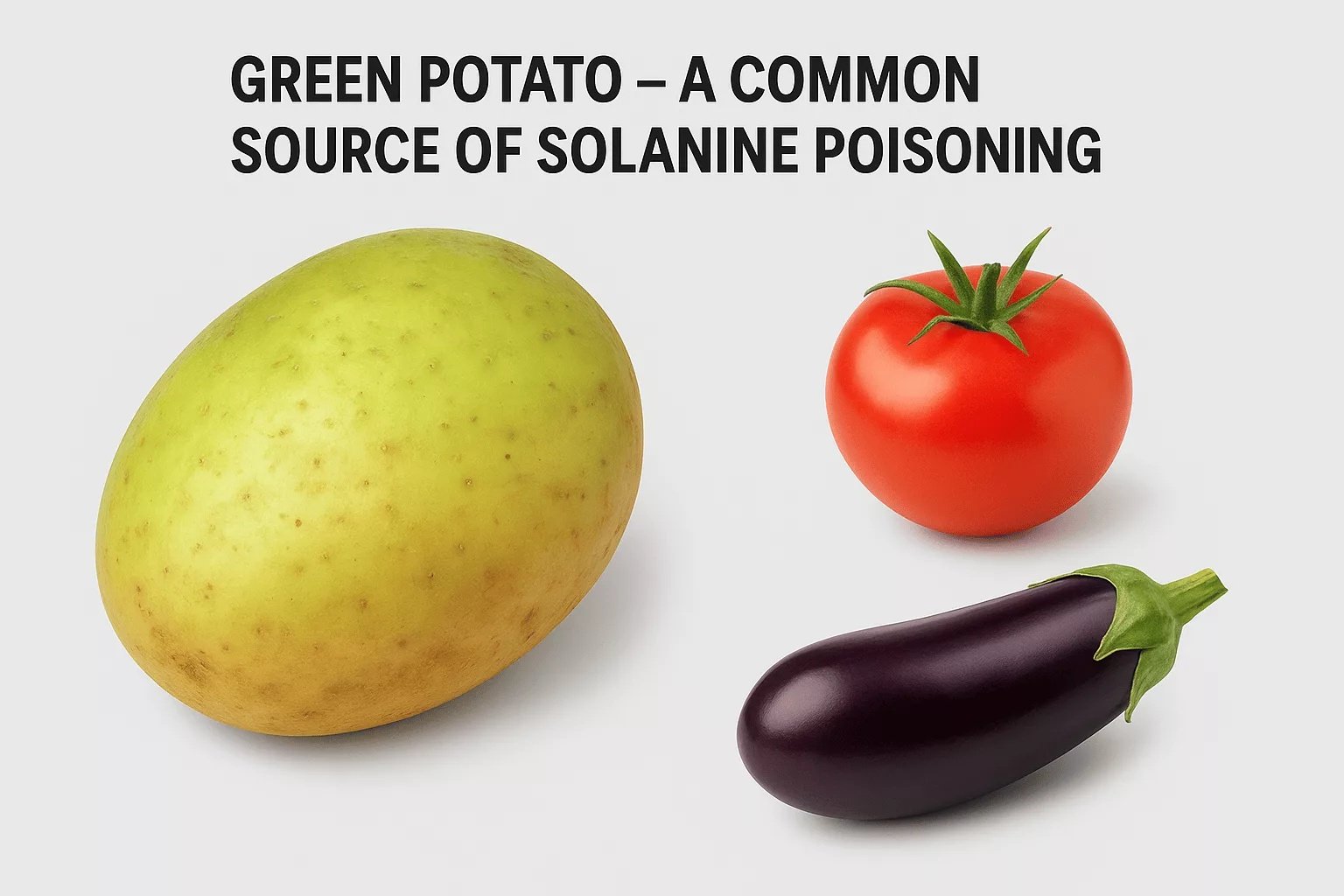
What is Solanine?: Solanine Poisoning Symptoms
Solanine is a type of steroid alkaloid produced by plants of the Solanaceae family as a defence mechanism. It is a toxic compound with insecticidal and fungicidal properties. Solanine can naturally occur in several parts of the plant, including tubers, leaves, and fruits, but in varying amounts. For example, in henbane plants, each part of the plant is toxic, but the seeds contain a higher amount of poison than all other parts. In potatoes, the green tubers and above-ground parts are more toxic, which protects them from consumption by insects.
The human body metabolises solanine into solanidines and sugars. Solanidines are stored in the body and may cause harm during periods of stress, rather than acting immediately. Normally, potatoes contain non-toxic levels of solanine in their tubers. In green and stressed potatoes, the concentration of solanine can be high, which leads to toxicity. You should not consume potatoes with signs of sprouting, rotting, greening, or with physical damage, as they contain a high level of solanine.
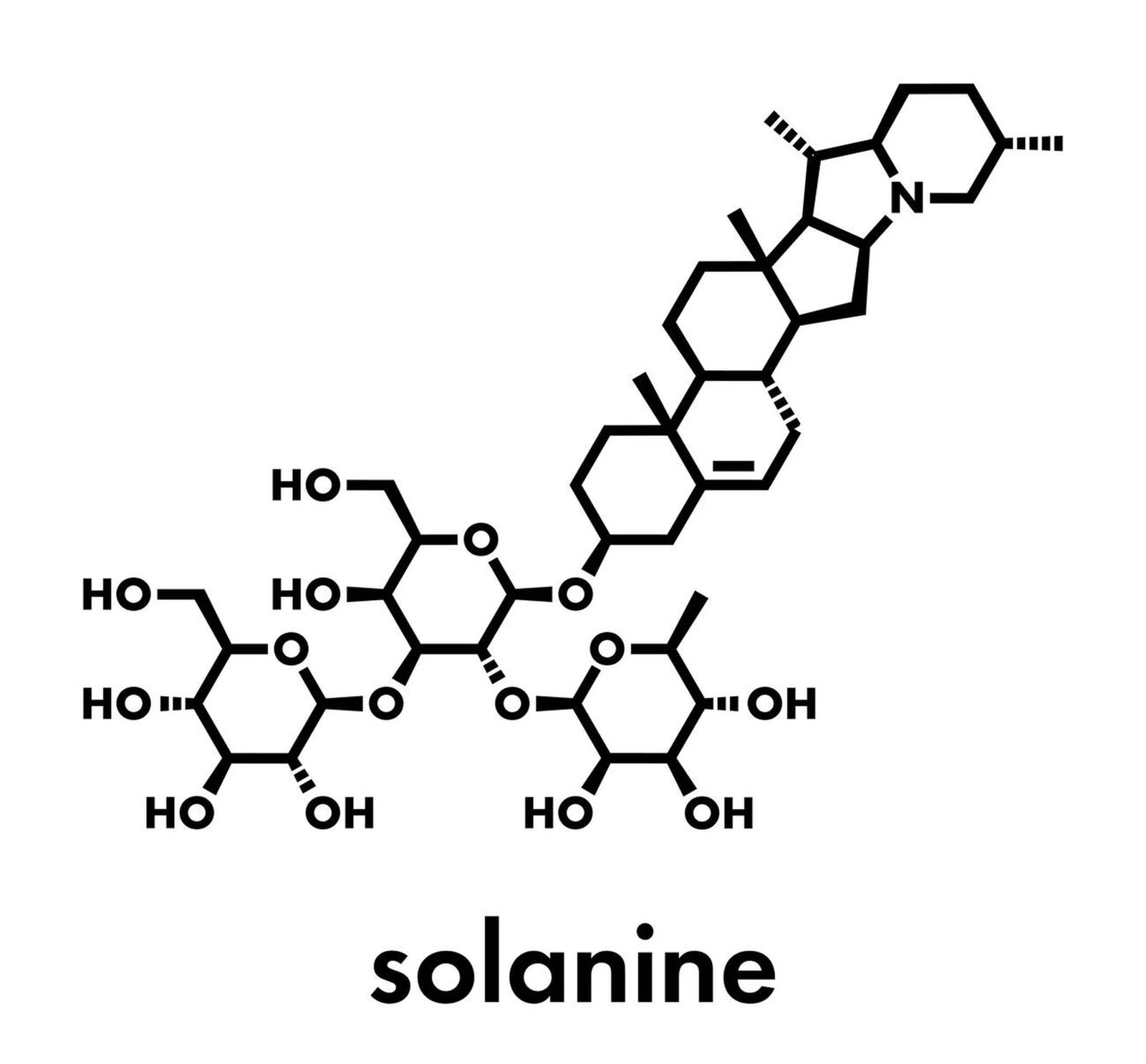
Structural formula of solanine
Causes of Solanine Poisoning
The main cause of the condition involves the ingestion of elevated levels of solanine. The concentration of solanine increases in response to various genetic and environmental stressors, such as improper storage conditions after harvesting. Exposure to light that stimulates the plant’s defence mechanism and leads to solanine accumulation. Other triggers include prolonged storage and mechanical damage to tubers, which all increase solanine levels. Consumption of green, sprouted, or damaged potatoes, as well as other parts of the Solanum plant, can cause poisoning in humans.
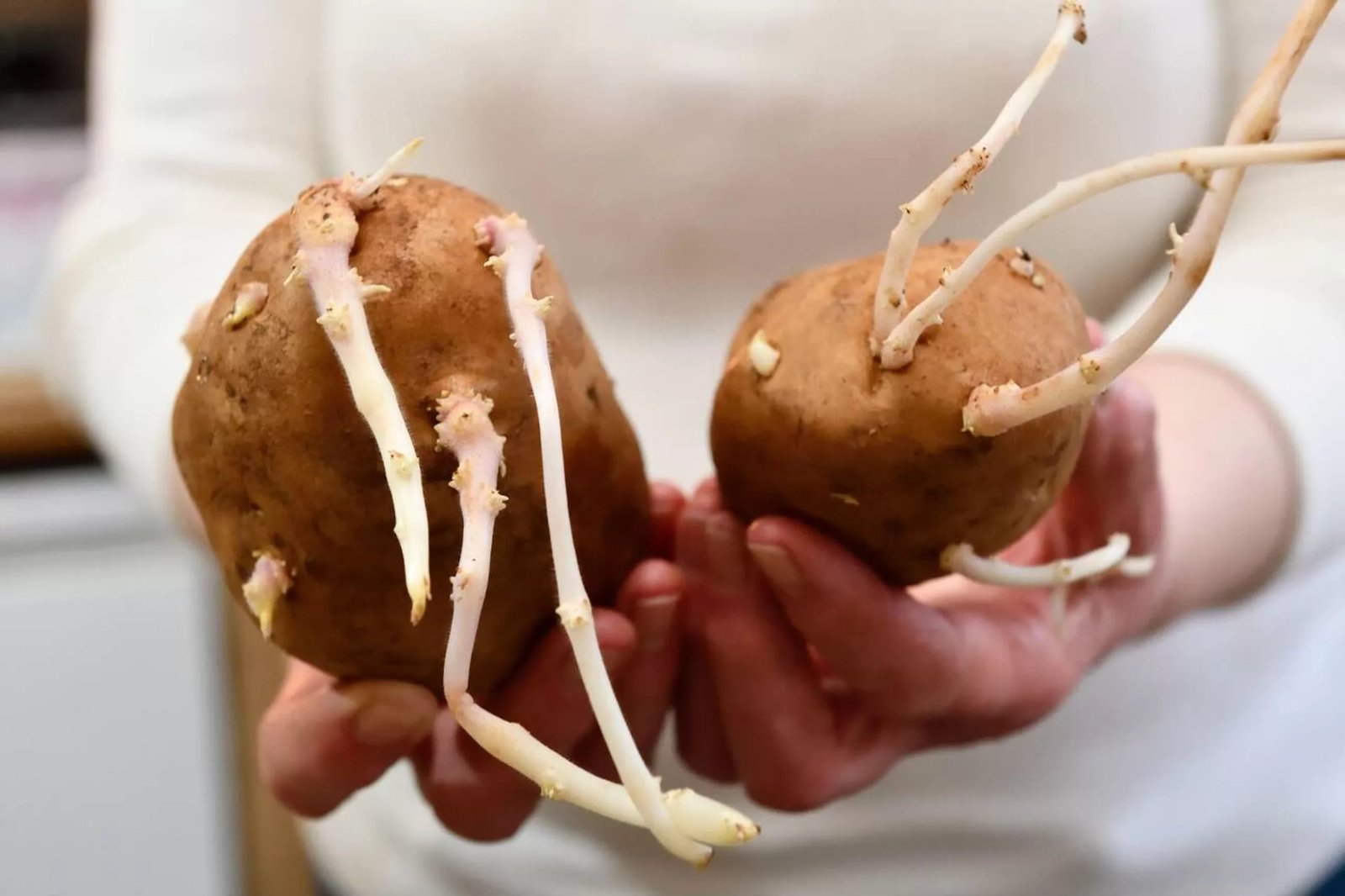
Sprouted Potatoes contain an increased amount of solanine
Pathophysiology of Solanine Poisoning
There are several mechanisms to explain how solanine induces toxicity in humans. However, the exact mechanism of action is not fully understood. The toxicity inhibits acetylcholinesterase activity in the central nervous system and disrupts membrane integrity. This disruption affects the digestive system and overall metabolism. Experimental studies suggest possible teratogenic (birth defect–inducing) effects in animals, but evidence in humans remains limited. These mechanisms collectively cause neurological and gastrointestinal symptoms, which may be mistaken for other gastrointestinal disorders, complicating diagnosis.
Signs & Symptoms of Solanine Poisoning
Doses of solanine between 2-5 mg per kilogram of body weight are dangerous for humans. However, doses between 3-6 mg/kg can present fatal outcomes. Symptoms typically appear within the first 2 to 24 hours, and if ingested in very high concentrations, they may appear within 30 minutes. Symptoms are primarily gastrointestinal, while effects on the central nervous system can also occur with large ingestions. Symptoms of saolanine poisoning include:
- Stomach pain
- Abdominal pain
- Headache
- Diarrhea
- Nausea and vomiting
- Fever
- Throat irritation
- Delirium
- Dilated pupils
- Loss of sensations
- Hallucinations
- Hypothermia (low body temperature)
- Slow pulse
- Shock
- Paralysis
- Jaundice
- Slow breathing
- Vision changes
Diagnosis of Solanine Poisoning
Diagnostic methods for solanine poisoning include:
Physical Examination & History:
The diagnosis of solanine poisoning is mainly clinical, based on the history of consuming green, sprouted, or damaged parts of Solanum plants. A physical examination involves monitoring a person’s vital signs, including pulse, temperature, blood pressure, and respiratory rate.
Laboratory Testing
Confirmatory diagnosis of solanine poisoning requires laboratory testing. High-performance liquid chromatography (HPLC) is the most definitive method for detecting and quantifying solanine levels in food or blood samples, as it precisely separates, identifies, and measures glycoalkaloid content.
Enzyme-linked immunosorbent assay (ELISA) is an alternative method for detecting glycoalkaloids, yielding results comparable to those obtained by HPLC.
Other Tests:
Other supportive tests may include blood and urine analysis to monitor systemic effects, electrocardiography for cardiac complications, and toxicology screens to rule out alternative causes.
Differential Diagnosis
Due to the non-specific symptomatology, the examiner can misdiagnose solanine poisoning can be confused with a variety of other conditions, and these conditions include:
- Foodborne Bacterial or viral infections (due to similar acute gastrointestinal symptoms)
- Gastroenteritis (due to overlapping symptoms like abdominal cramps, diarrhea, or vomiting)
- Chemical poisoning (similar gastrointestinal and neurological symptoms).
- Heavy metal poisoning (shares both neurological and digestive symptoms)
- Carbamate poisoning (shares similar cholinergic symptoms)
- Metabolic and neurological disorders (such as encephalopathies or migraines, which present symptoms of headache or confusion)
Treatment of Solanine Poisoning
The treatment of solanine poisoning is entirely supportive. There is no specific antidote available, and initial management aims to reduce further absorption. Most patients present with vomiting or diarrhea, so further decontamination is usually unnecessary. If ingestion is recent, gastric decontamination with activated charcoal may be considered in hospital settings. Treatment involves standard measures to correct fluid and electrolyte imbalance. Antiemetics can control persistent nausea and vomiting. Seriously ill patients who do not respond to fluid replacement require vasopressors and cardiac monitoring. Doctors keep patients with neurological abnormalities or severe electrolyte imbalance under observation until these complications resolve.
Prevention Tips
- Discard potatoes with a bitter taste, as this can signal high solanine levels.
- Store potatoes in a cool, dark environment to prevent greening and sprouting.
- Avoid eating green, sprouted, or damaged potatoes.
Prognosis of Solanine Poisoning
The prognosis is generally good. Mild to moderate poisoning usually resolves within a few days with symptomatic treatment. Severe poisoning with significant neurological or cardiac involvement may carry a risk of complications (respiratory failure or death).
A Quick Review
Solanine is a chemical compound produced by plants and is found in foods we commonly consume in our daily lives. We need to be extremely cautious while consuming them. We should store potatoes and other such foods in a cool, dark environment to prevent an increase in solanine content due to environmental conditions. Do not eat green and sprouted potatoes as they contain high concentrations of solanine. This toxicity disrupts the general metabolism, digestive system, and membrane integrity, and treatment includes removing toxic substances from the stomach.
References
[1] Slanina, P. (1990). Solanine (glycoalkaloids) in potatoes: toxicological evaluation.Food and Chemical Toxicology,28(11), 759-761.
[2] Karaca, M., & Erbaş, O. (2024). Solanine Poisoning: Effects, Risks, and Management Strategies.Journal of Experimental and Basic Medical Sciences,5(2), 189-193.
[3] Hassan, S. H., Gul, S., Zahra, H. S., Maryam, A., Shakir, H. A., Khan, M., & Irfan, M. (2021). Alpha solanine: A novel natural bioactive molecule with anticancer effects in multiple human malignancies.Nutrition and Cancer,73(9), 1541-1552.
[4] Koffi GY, Remaud-Simeon M, Due AE, Combes D. Isolation and chemoenzymatic treatment of glycoalkaloids from green, sprouting and rotting Solanum tuberosum potatoes for solanidine recovery. Food Chem. 2017 Apr 1;220:257-65.
[5] Karaca, M., & Erbaş, O. (2024). Solanine Poisoning: Effects, Risks, and Management Strategies.Journal of Experimental and Basic Medical Sciences,5(2), 189-193.
[6] Barceloux, D. G. (2009). Potatoes, tomatoes, and solanine toxicity (Solanum tuberosum L., Solanum lycopersicum L.).Disease-a-month,55(6), 391-402.
[7] Bhambhani, S., Kondhare, K. R., & Giri, A. P. (2021). Diversity in chemical structures and biological properties of plant alkaloids.Molecules,26(11), 3374.
[8] Friedman, M., & McDonald, G. M. (1999). Postharvest changes in glycoalkaloid content of potatoes.Impact of processing on food safety, 121-143.
[9] Vezikov, L. V., & Simpson, M. (2022). Plant alkaloids toxicity.