

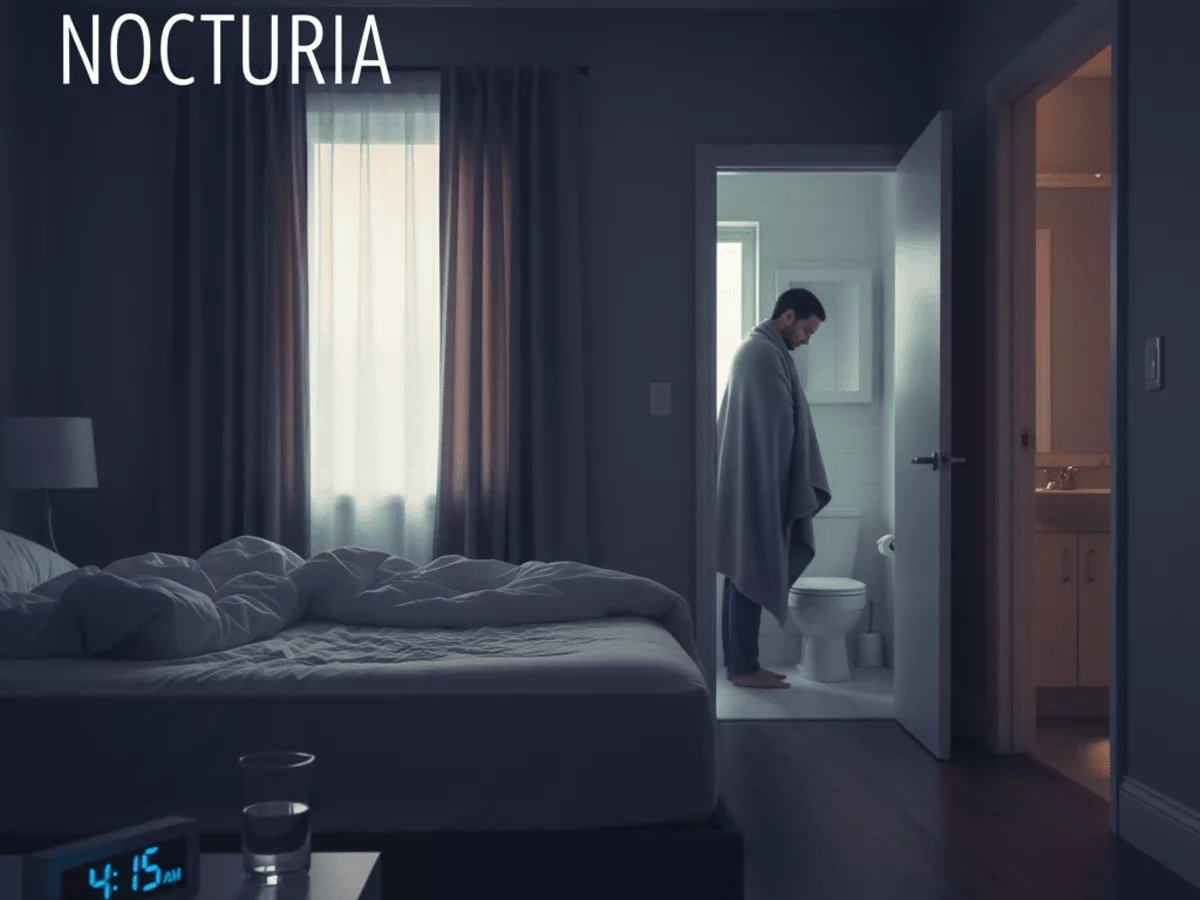
Nocturia can be defined as the condition that causes you to wake up at night regularly to urinate. It is one of the most bothersome and common urinary symptoms. Nocturia becomes more common as people age. It occurs in both males and females. One in three adults older than 30 years visits the toilet at least two times at night. Around 70% of these individuals are bothered by these trips. Half of all the adults older than the age of 65 years wake up at least once, and 24% have two or more nocturia episodes per night. Despite its relatively high frequency, this condition is often underreported, poorly managed, and inadequately treated.
Causes of Nocturia
Nocturia is a multifactorial condition. The four leading causes of the condition include:
Nocturnal Polyuria:
Nocturnal polyuria is the most common cause of nocturia. There are several other causes and contributing factors, but nocturnal polyuria is reported in 88% of the patients. It refers to nighttime urine production greater than 20% of the 24-hour urine volume in younger adults or more than 33% in older adults. Caffeine and excessive oral fluid intake in the evenings or alcoholism can significantly contribute to the nocturnal polyuria. Additionally, certain medical conditions, such as heart failure, venous insufficiency, or sleep apnea, can also lead to nocturnal polyuria due to altered hormonal regulation of urine output.
Global Polyuria:
Global polyuria is another cause. It is the continuous overproduction of urine throughout the day. It typically results in a urinary output of more than 40 mL/kg per 24 hours (approximately 2800 mL for a 70 kg individual). This usually occurs due to excessive fluid intake, uncontrolled diabetes mellitus, or conditions such as diabetes insipidus that impair the kidney’s ability to concentrate urine.
Bladder Storage Problems:
People with nocturia who do not appear to have polyuria can either have a bladder storage problem or sleep problems. Bladder storage problems that contribute to nocturia have associations with multiple and frequent voidings with small urinary volumes. Also, people (about 50%) who have daytime urinary urgency can have clinically significant nocturia. Several factors can contribute to bladder overreactivity or storage problems. These include:
- Abnormal bladder emptying
- Atrophic vaginitis
- Anxiety
- Bladder stones
- Diuretic use
- Neurogenic bladder
- Detrusor overactivity
- Underactive (hypocontractile) bladder function
Overflow incontinence may also contribute to nighttime urination due to incomplete bladder emptying. Prostate enlargement in men and pelvic organ prolapse in women can further exacerbate bladder storage issues.
Sleep Disorders:
Sleep disturbances, sleep apnea, and insomnia can contribute to or even cause nocturia. Disturbance of sleep also occurs when patients are unable to return to sleep quickly after an episode of nocturia. Nocturia occurs in around 50% of patients with sleeping disorders. Obstructive sleep apnea is particularly associated with nocturia because of increased secretion of atrial natriuretic peptide (ANP) during apneic episodes, which increases urine production.
Other Contributing Factors:
There are several other contributing factors to nocturia. Peripheral edema is one of them. When a patient with lower extremity symptoms lies down, most of the extra fluid returns to the vascular system. Here, the kidneys excrete it, which increases urine production. Similarly, conditions such as heart failure, nephrotic syndrome, venous insufficiency, high sodium intake, and prolonged standing during the day can all lead to excess fluid retention in the lower extremities.
Drinking large amounts of fluids before bedtime, consuming caffeine or alcohol in the evening, hypertension, obesity, liver disease, or medications like SSRIs and calcium channel blockers may also contribute. In both men and women, depression, lack of physical activity, and antidepressants are associated with nocturia. Nocturia also has some associations with normal pregnancy. However, it resolves once the pregnancy is over.
Signs & Symptoms of Nocturia
People usually sleep six to eight hours at night without having to get up to use the bathroom. However, people with nocturia wake up more than once a night to pee, which causes disruptions in their normal sleep cycle. It leaves you tired and less energetic throughout the day. Common symptoms of nocturia include:
- Waking up two or more times to urinate at night (a hallmark sign of nocturia).
- Passing larger urine volumes at night if nocturnal polyuria is present.
- Fatigue and sleepiness during the day.

Visual Representation of waking up multiple times a night and a risky walk in the dark.
Diagnosis of Nocturia
The diagnosis of Nocturia includes:
History & Physical Examination:
The initial evaluation starts with a history and physical examination. Clinicians initiate a discussion of nocturia symptoms, including their nature and severity, if present. Typical questions to identify possible nocturia include:
- How often do you wake up at night to pee?
- How much sleep disruption does this cause?
- Does the patient feel it is bothersome?
- What is the amount of your fluid intake?
- What type of liquids do you ingest?
- What medications do you take (especially diuretics, SSRIs, calcium channel blockers, or alpha-blockers)?
- Do you have any comorbid medical conditions (diabetes, hypertension, or obstructive sleep apnea)?
- Have you noticed any urinary tract symptoms (weak stream, straining, incomplete emptying, urgency, and incontinence?
Physical Examination:
The following clinical findings, observed during a physical examination, are relevant in evaluating nocturia.
Dizziness or Orthostatic Hypotension
These findings suggest orthostatic hypotension(an adverse effect of alpha blockers).
Suprapubic Tenderness or Distension
These findings indicate bladder over-distension or high post-void residual volumes on abdominal exams.
Congestive Heart Failure Signs
Findings can include dyspnea, tachycardia, auscultation of crackles, and tachypnea.
Abnormal Rectal Examination
Doctors can perform a digital rectal exam to evaluate the decreased muscle tone, faecal impaction, and rectal masses that can contribute to nocturia.
Low Extremity Edema
This finding suggests fluid overload or congestive heart failure.
Abnormal Neurological Evaluation
Abnormal findings can include an absent anal wink, which is a quick contraction of the anus visualized after lightly scratching the skin lateral to the rectum. Additionally, decreased perineal sensation can indicate an impaired sacral plexus nerve.
Other Diagnostic Methods:
Your healthcare provider may order a urinalysis or urine culture to check for infection, proteins, or other elements. Other tests may include:
- Blood tests to check kidney function, haemoglobin A1c, and serum electrolytes.
- Imaging tests are used to assess the bladder’s ability to fill and empty.
- Cystoscopy in a very few cases.
Management & Treatment of Nocturia
Treatment is not always required unless nocturia significantly affects quality of life. Generally, people and clinicians consider his condition a natural part of aging. Mostly, the patients are often unaware that nocturia is treatable. The first step in managing this condition is setting reasonable treatment goals. The complete cessation of nocturia is not possible.
Initial Management Strategies:
Management involves following the lifestyle modifications:
- Limit fluid intake in the evening, especially between dinner and bedtime, or avoid it for at least two hours before going to bed.
- Reduce your total fluid intake to 2 litres per day.
- Limit dietary salt and protein intake late in the day.
- Try to prepare for bed almost 20 to 30 minutes before bedtime.
- Use compression stockings or elevate legs in the evening to reduce leg swelling.
- Perform pelvic floor muscle exercises.
- Adjust the timing of short-acting diuretics to the afternoon.
- Increase your physical activity.
- If you are unable to sleep, get up and engage in a relaxing activity, such as reading.
- Limit nocturnal oral fluids, alcohol, and caffeinated beverages.
- Avoid regular sleep routines, such as setting a specific time for sleep, minimizing mobile phone usage, and optimizing the bedroom environment.
- Use the bed only for sleeping. Avoid afternoon naps, mainly after 3 pm, or going to bed too early.
- Avoid thinking of serious life issues and problem-solving events while going to bed.
- Using a bedside commode or urinal can minimize the bother.
- Use nightlights to help illuminate the passage to the bathroom.
- Remove obstacles, furniture, or loose rugs between the bed and the nearest commode to minimize the risk of falls.
- Seek treatment for underlying conditions such as sleep apnea or diabetes if present.
Behavioral Therapy:
Behavioral therapy can include pelvic floor muscle exercises, bladder training, delayed voiding techniques, and urge-suppression strategies. Alone or combined with pharmacological therapy, behavioral therapy is efficient in controlling nocturia.
Sleep issues can significantly affect nocturia. The following are some simple steps that patients can take to improve their sleeping experiences:
Excess hours in bed will make you sleep shallowly, which worsens your nocturia. Hence, reducing the time you spend lying in your bedroom to a comfortable place by eliminating noise and light as much as possible.
- Make your bed a little warmer.
- Go to your bed at the same time each day.
- Maintain a comfortable room temperature.
- Avoid using electronic gadgets shortly before bedtime.
- Consider using melatonin (a natural sleep aid available without a prescription). It can help in reducing nocturia when taken at bedtime.
Pharmacological Therapy:
Medicines are most helpful in treating nocturia. These therapies include:
Antidiuretic hormone (Desmopressin)
Helps reduce nighttime urine production and is most effective for nocturnal polyuria.
Alpha-Blockers
Alpha-blockers (e.g., tamsulosin) are the most effective single pharmacological agents. They offer relatively modest reductions in nocturia, mostly in men.
Bladder-Relaxing Drugs
Anticholinergics increase the bladder capacity and reduce urinary urgency and frequency. These are also effective in treating other symptoms of an overactive bladder.
Short-acting diuretics
When taken in the afternoon, they shift urine output earlier in the day.
Onabotulinum Toxin A
Bladder injection of Botox can reduce nocturia episodes in patients with an overactive bladder who do not respond to other medications.
Topical Vaginal Estrogen
It has significant benefits in reducing nocturia in postmenopausal women.
Nonsteroidal anti-inflammatory drugs (NSAIDs)
They may help in selected cases by reducing prostaglandin-mediated urine production.
There is no specific surgical procedure for nocturia, although prostate surgery can help relieve lower urinary tract symptoms in men with significant obstruction.
Differential Diagnosis
Differential diagnosis that must be considered while assessing nocturia includes:
- Prostate cancer
- Bladder cancer
- Benign prostatic hyperplasia
- Vesicovaginal fistula
- Uterine prolapse
- Urinary tract infection
- Diabetes mellitus or diabetes insipidus
- Congestive heart failure
Prognosis of Nocturia
The prognosis is generally favourable. The condition is bothersome and can significantly affect one’s quality of life. It can also cause sleep deprivation. It is rarely dangerous in itself. Elderly individuals with nocturia are at increased risk of falls, depression, and cardiovascular events due to disrupted sleep. A careful and individualized selection of treatments to minimize adverse effects.
Nocturia versus Enuresis
The key difference between nocturia and enuresis is the level of awareness. In nocturia, you are awake and decide to go to the bathroom, while with enuresis, the bladder empties while you are still sleeping. A comparison of these two conditions is given in Table 1.
Table 1: Comparison of Nocturia and Enuresis
| Features | Nocturia | Enuresis |
|---|---|---|
| Statement | You wake up at night one or more time to pee. | Involuntary urination during sleep. You are generally not aware when your bladder empties. |
| Commonness | A common condition. It affects adults, mainly the older ones, due to several factors (medications, heart conditions, or diabetes). | More common in children. However, it can also affect adults. |
| Impact | It can lead to disrupted sleep, fatigue and overall well-being and quality of life. | It can cause stress, embarrassment or other psychological problems. |
Final Remarks
Nocturia is a frustrating situation. There are no complications associated with isolated nocturia, but they can occur due to an underlying aetiology or treatment. You need to contact your healthcare provider if you are tired from waking up several times a night to urinate. Only lifestyle changes can make a big difference, but sometimes medical therapy is also necessary. Medication is necessary when you also have an underlying bladder or prostate problem. Mostly, this condition is treatable.
References
[1] Herschorn, S., Gajewski, J., Schulz, J., & Corcos, J. (2008). A population‐based study of urinary symptoms and incontinence: the Canadian Urinary Bladder Survey.BJU international,101(1), 52-58.
[2] Nguyen, L. N., Randhawa, H., Nadeau, G., Cox, A., Hickling, D., Campeau, L., … & Herschorn, S. (2022). Canadian Urological Association best practice report: Diagnosis and management of nocturia.Canadian Urological Association Journal,16(7), E336.
[3] Leslie, S. W., Sajjad, H., & Singh, S. (2018). Nocturia.
[4] Leslie, S. W., Sajjad, H., & Singh, S. (2018). Nocturia.
[5] Xue, Z., Lin, Y., Jiang, Y., Wei, N., & Bi, J. (2018). The evaluation of nocturia in patients with lower urinary tract symptoms suggestive of benign prostatic hyperplasia and the analysis of the curative effect after medical or placebo therapy for nocturia: A randomized placebo-controlled study.BMC Urology, 18(115). https://doi.org/10.1186/s12894-018-0426-4
[6] Leslie, S. W., Sajjad, H., & Singh, S. (2018). Nocturia.
[7] Barbosa, L., Cruz, T., Carvalho, A., Torres, E., Porto, I., Nascimento, K., & Lemos, A. (2018). Urinary incontinence in pregnant adolescents: a case series. Neurourology and Urodynamics, 37(4), 1329-1335.
[8] Leslie, S. W., Sajjad, H., & Singh, S. (2018). Nocturia.
[9] Leslie, S. W., Sajjad, H., & Singh, S. (2018). Nocturia.
[10] Wolkove, N., Elkholy, O., Baltzan, M., & Palayew, M. (2007). Sleep and aging: 2. Management of sleep disorders in older people.Cmaj,176(10), 1449-1454.
[11] Kowalik, C. G., Cohn, J. A., Delpe, S., Reynolds, W. S., Kaufman, M. R., Milam, D. F., … & Dmochowski, R. R. (2018). Nocturia: evaluation and current management strategies.Reviews in Urology,20(1), 1.
[12] Andersson, K. E., & Van Kerrebroeck, P. (2018). Pharmacotherapy for nocturia.Current urology reports,19(1), 8.
[13] Tyagi, S., & Chancellor, M. B. (2023). Nocturnal polyuria and nocturia.International urology and nephrology,55(6), 1395-1401.