

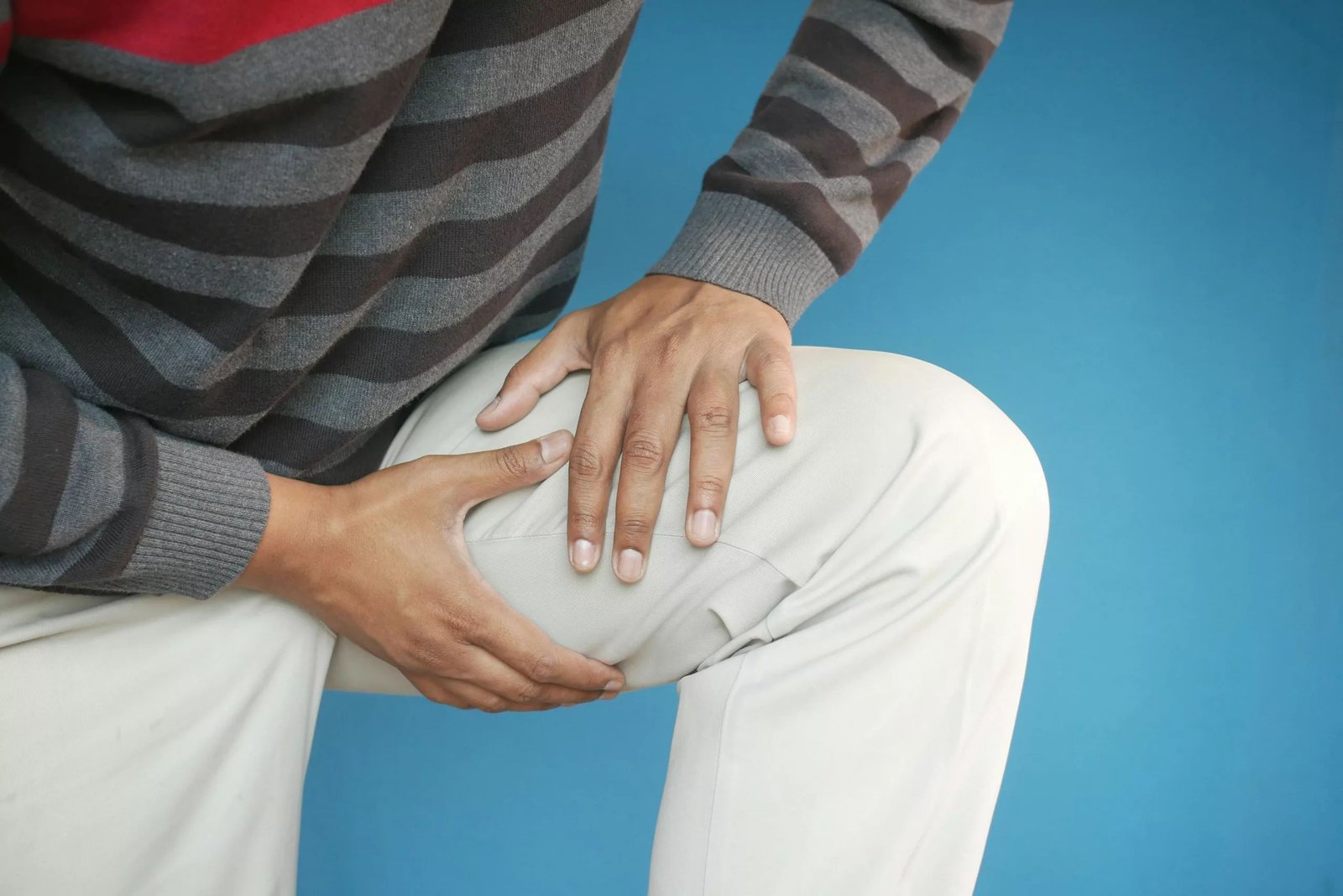
Inner thigh pain can be the result of different types of abnormalities. You may feel pain in your inner thigh after sustaining a sports injury, or it may be a post-operative complication of total hip replacement. In addition to posing problems in daily life, the painful presentation may even be indicative of some serious underlying condition. Therefore, it is important to get the condition checked and treated in time. This article discusses the various potential causes of inner thigh pain and how you can manage/treat them.
Symptoms Associated With Inner Thigh Pain
Inner thigh pain can have different intensities. Some people report a dull ache, while others complain of sharp stabbing pain. The differences are due to the underlying cause leading to the thigh discomfort. Most patients notice the following signs and symptoms alongwith pain:
Walking Difficulty
Groin pain can cause significant hindrance in your day-to-day motion. Severe pain can pose walking difficulties. A 31-year-old woman was left unable to walk and dependent on a wheelchair for movement after a transobturator sling implantation. She lost the ability to walk due to persistent thigh pain.
Swelling
Pain and swelling are frequently seen in cases of sports injuries. Athletes are prone to sustaining injuries on the field, which present with swelling, pain, and warmth on the affected skin.
Grinding Sounds
Some patients may notice clicking/grinding sounds from the inner thigh when moving. These sounds are more commonly associated with hip joint disorders rather than isolated inner thigh pathology. Internal snapping hip syndrome is a rare condition in which the hip flexor tendon (iliopsoas) snaps over the hip bone, causing a popping/clicking sound. The disorder can sometimes present with persistent inner thigh pain.
You might experience muscle spasms and some stiffness associated with inner thigh pain. In certain serious conditions, patients may also develop fever, inability to bear weight, or worsening night pain, which require urgent medical evaluation.
What Causes Pain In Your Inner Thigh?
Various types of underlying health conditions present with inner thigh pain. The most common maladies leading to thigh discomfort include:
Sports Injuries
A common cause of upper inner thigh pain is sports injuries. Activities like running and rapid turning of the lower body make you prone to thigh pain. A groin strain is an injury to the inner thigh muscles that causes sharp pain and swelling in the region. As per studies, hip/groin injury and associated thigh pain are common in American collegiate athletes. In serious cases, there may be tearing of the thigh soft tissues.
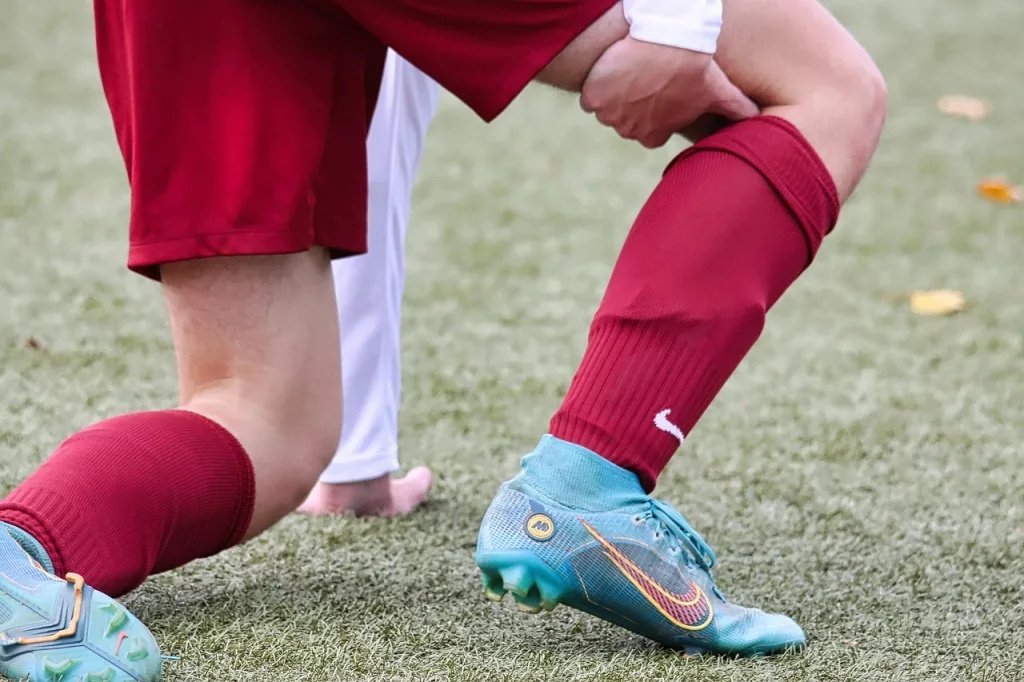
Inner thigh pain due to sports injuries is common
Active adults can notice a sudden onset of pain with bruising, swelling, and stiffness. A limited range of leg movement interferes with the athlete’s training. It has been noted that failure to warm up before a hectic exercise leads to muscle strains. Moreover, overuse (excessive training) can also cause inner thigh pain when walking/running. Adductor tendinopathy and athletic pubalgia (sports hernia) are additional common causes of chronic inner thigh pain in athletes.
Bone Pathologies
Different types of bone pathologies can potentially contribute to discomfort in the inner thigh.
Osteoarthritis
A globally common debilitating disease of the bones/joints is osteoarthritis. It is a chronic disorder that causes never-ending pain, which negatively affects the quality of life. Generally, hip osteoarthritis patients report widespread pain. Thus, you may feel arthritis pain in your inner thigh as well.
Osteosarcoma
In rare instances, bone cancer can cause thigh pain. A highly malignant (fast-spreading to other body organs) cancer of bones is osteosarcoma. This bone cancer is known to cause an unexplained, deep-seated pain (in the bones) which worsens on movement. Initially, patients notice pain only on movement; however, later it becomes persistent. Based on the location, osteosarcoma can cause pain in the hip and inner thigh region. There have been cases of extraskeletal osteosarcoma affecting the inner thigh. Though painless in most instances, the condition can become painful. However, osteosarcoma is an extremely rare cause of isolated inner thigh pain in adults.
Femoroacetabular Impingement
It is a condition in which there is growth of extra, abnormal bone on the hip joint. The extra growth causes pain due to increased friction between bones. According to a study, femoroacetabular impingement is a common cause of anterior groin pain. The vast majority of patients experience pain in the sitting position. However, you may also suffer from occasional sharp pains during activity.
Fractures
Though rare, pain from stress fractures of the pelvis and the femur can be felt in the inner thigh region.
Deep Vein/Venous Thrombosis (DVT)
An unusual cause of aching in the inner thigh is deep venous thrombosis. It is a serious infirmity characterized by the formation of blood clots in deep veins. The disease presents with swelling, tenderness, and pain. Most of the time, DVT develops in the veins of the lower leg, which ultimately leads to leg and thigh pain. Some patients experience a throbbing pain, while others report aching pain in the calf/inner thigh region. Even young patients can suffer from chronic hip and thigh pain due to an undiagnosed DVT.
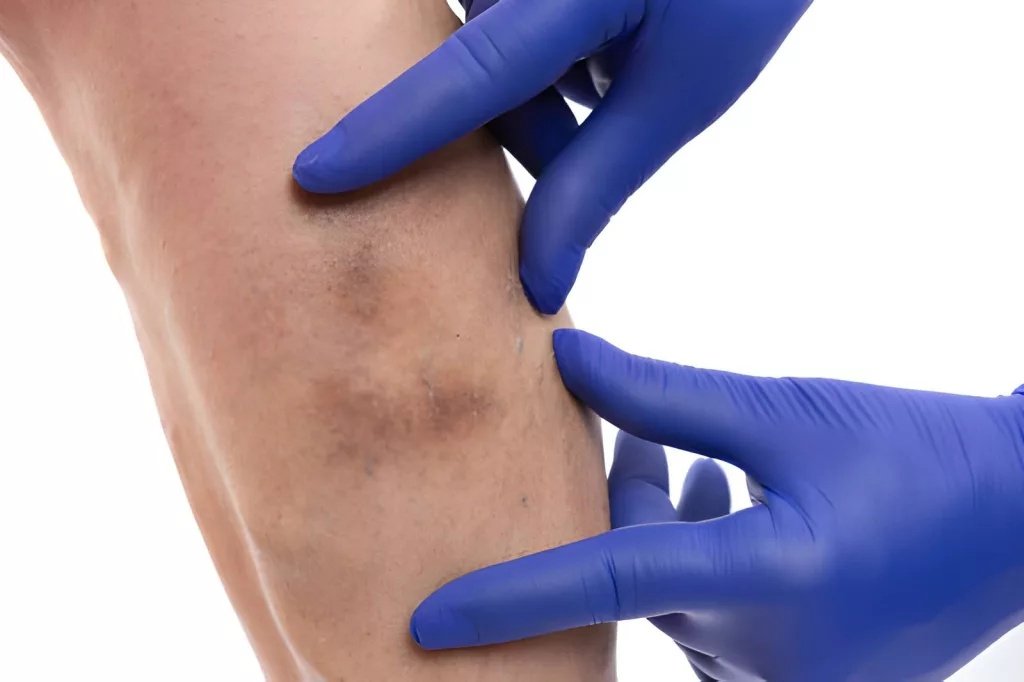
Deep vein thrombosis is a notable cause of inner thigh pain
DVT can lay the foundation for a life-threatening condition, i.e., pulmonary embolism. Therefore, you must visit a healthcare facility if having a persistent swelling, pain, warmth, and tenderness in the leg/thighs.
May-Thurner syndrome is another vascular condition in which there is compression of the left common iliac vein (a vein present in the thigh) by the right iliac artery. This condition is typically observed in middle-aged women and is characterized by noticeable leg swelling. May-Thurner syndrome has presentations similar to DVT and can be a rare source of inner thigh pain.
Herniation
A hernia is a condition in which part of an organ protrudes through the muscle and skin. It is most commonly seen in the abdominal and groin regions. The condition is termed an inguinal herniawhen your intestine pushes through a weak region in the lower abdomen. A common place of protrusion is the inguinal canal in the groin. Most patients notice a bulge in their lower abdominal area, which causes pain and discomfort in the neighboring areas as well. Researchers have noted enlargement of groin nerves in association with the herniations. The enlarged nerve gets compressed, and therefore, patients experience compressed nerve pain (compression neuropathy).
Another study concluded that nerve thickening is seen in about 63% of patients, which directly contributes to pain and nerve symptoms (burning, tingling pain, and weakness). Referred pain from a strangulated obturator hernia can be felt along the medial side of the thigh.
Pregnancy
The development of a fetus in the womb causes many changes in the mother’s body. Many pregnant women often experience pain in the hips, groin, and thigh regions due to the additional weight of the baby. Women report different types of pelvic girdle pain (2, 4, etc). Moreover, there is sacroiliac (hip joint) dysfunction and tendon abnormalities that cause pain radiating from the pelvis down to the inner thigh. Therefore, women can experience inner thigh pain in pregnancy.
Endometriosis is a condition in which cells similar to the uterine lining grow outside the uterus. It is a chronic disease that can cause severe pain and heavy menstrual bleeding. Extrapelvic endometriosis can cause a medial (inner) thigh mass that causes pain, which intensifies during menstruation (catamenial pain).
Kidney Stones
Pathologies of the urinary tract and kidneys can cause a great deal of pain. Renal stones can be the source of back pain, which can range from dull ache to sharp, severe pain. Stones obstructing urine flow in the lower ureter can cause pain above the pubic region that tends to radiate along the urethra and even to the inner thigh.
Surgery
You may develop hip pain after a total hip replacement surgery. It can be a temporary complication of the surgery or a chronic consequence of the hip prosthesis. Most patients with a prosthetic hip feel discomfort in the outer side of the thigh, but it can also make the inner thigh painful. In a clinical study, about 11% of patients who underwent total hip replacement reported thigh pain.
Obturator Neuropathy
A major nerve that innervates your lower limb is the obturator nerve. Entrapment or compression of this nerve by the neighboring structures leads to neuropathic pain. It is a rare phenomenon, but obturator nerve impingement can be a cause of medial thigh pain. The most commonly reported symptom of the disorder is inner thigh or groin pain. However, patients may also experience sensory loss and sensations of burning, tingling, etc. Surgical trauma is a known cause of obturator neuropathy.
Osteophyte (bony spurs) formation in the sacroiliac joint can cause severe pain that radiates from the pelvis to the lower limb (especially the medial thigh).
Risk Factors
Based on the clinical experience, medical experts have identified the following risk factors for inner thigh pain:
- Obesity/being overweight
- Pregnancy
- Sports activities (and strenuous exercises)
- Weak muscles
- Smoking
How To Diagnose Inner Thigh Pain?
Diagnosing inner thigh pain can be a little tricky, as it is linked to a multitude of underlying health conditions.
History And Examination
Your healthcare provider will start by taking a history of the symptoms, which is usually followed by a physical examination of the thighs. Mostly, swelling, redness, and warmth in the region indicate injury/trauma. However, to reach a conclusive diagnosis, your doctor may order an array of tests.
Imaging Tests
X-rays have conventionally been used to check bone fractures. Advanced imaging scans like MRI and CT scans can provide better pictures of the muscles and bones in the region. Ultrasound tests (Compression ultrasonography or duplex ultrasound) may be ordered to assess deep vein thrombosis.
Blood Tests
A variety of blood tests can be used to diagnose different types of underlying pathologies/diseases.
Inner Thigh Pain Management
In the vast majority of cases, inner thigh pain is the outcome of muscle strains and can be managed with simple home strategies. Most people manage pain by taking over-the-counter painkiller meds like ibuprofen, naproxen, etc.
You can follow these simple home remedies to alleviate pain:
RICE Therapy
An effective way to relieve your inner thigh pain is to follow:
Rest (R):
Taking a break from work and physical activity training allows your muscles to heal. This helps you recover from the sports injury and alleviates pain.
Ice Therapy (I):
Application of cold/ice on the swollen thigh reduces inflammation and associated pain. Ice application is of great importance in cases of injury and inflammatory disorders like osteoarthritis.
Compression (C):
Light compression of the thigh with compression wraps/bandages can speed up the process of healing. Compression bands provide support to the lower limb and aid in removing swelling from the region.
Elevation (E):
Keeping the thigh elevated can aid in curbing swelling, which subsequently leads to improvement of symptoms.
Exercise And Stretches
You can also try some inner thigh pain exercises to get instant relief. Exercises that have proven to be effective include:
Butterfly stretch: Sit on a chair with your knees bent and feet together. Gently press the knees towards the floor. Maintain the position for 20-30 seconds and repeat 2 to 3 times.
Seated inner thigh stretch: Sit upright on a chair with your hands on the inside of your thighs. Gently push knees outward and hold the position for 20-30 seconds to release muscle tension.
Adductor rocker: In this stretch, you are on all fours and move the knees wide out while keeping the back straight. Then, you rock your body towards your heels. This deeply stretches the groin and the inner thighs.
Treatment for Inner Thigh Pain
Non-invasive treatments that can help reduce pain include massage therapy and hydrotherapy (water therapy). Warm water therapy is known to reduce inflammation and lower pain in chronic pain disorders.
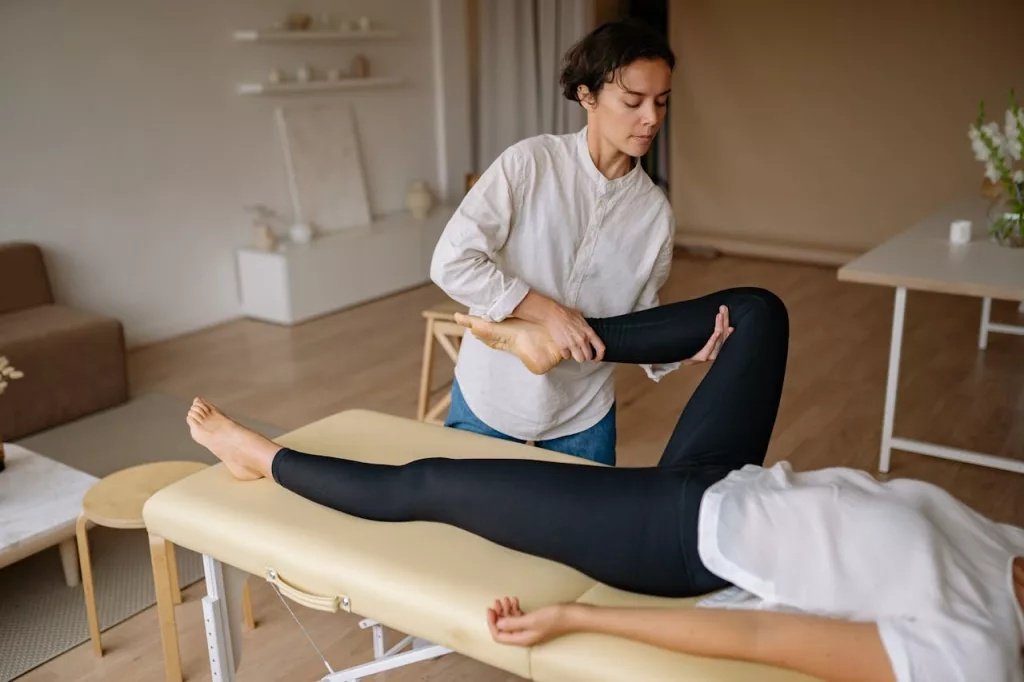
Physical therapy improves symptoms in some cases
Physical therapy is effective in managing conditions like femoroacetabular impingement syndrome and sports injuries. Doctors treat conditions like DVT and osteosarcomas in cases when the discomfort arises from the underlying issue. Supportive equipment like braces and pelvic support (especially during pregnancy) can keep thigh discomfort at bay.
Prevention
You can reduce the risk of developing inner thigh pain by maintaining a healthy weight and engaging in regular physical activity. Athletes/sportspersons should warm up before starting hectic training sessions.
Final Word
Inner thigh pain is the result of some underlying disease. Severe groin and inner thigh pain can interfere with your day-to-day activities. Typically, it is the outcome of sports injuries, bone issues (osteoarthritis, femoroacetabular impingement, cancer, and fractures), deep vein thrombosis, and inguinal hernia. People suffering from kidney stones and pregnant women may also experience thigh pain. In rare instances, impingement of the obturator nerve can also cause thigh pain. A fraction of patients who have undergone total hip replacement surgery develop outer thigh pain as a complication of the surgery.
Rest, ice application, compression, and elevation, i.e., RICE method, is the go-to way of managing thigh pain at home. OTC painkillers help provide relief. Moreover, supportive braces and pelvic support, and exercises provide support and strengthen muscles. Physical therapy and massage therapy can also improve symptoms.
References
[1] Milani, R., Barba, M., Manodoro, S., Locatelli, L., Palmieri, S., & Frigerio, M. (2021). Inability to walk and persistent thigh pain after transobturator tape procedure for stress urinary incontinence: surgical management.International Urogynecology Journal,32(5), 1317-1319.
[2] Petrin, Z., Wowkanech, C., Sinha, A. N., Gupta, S., & Patel, M. K. (2018). Female Runner With Painful Left Thigh Swelling: A Case of May‐Thurner Syndrome.PM&R,10(2), 227-229.
[3] Walker, P., Ellis, E., Scofield, J., Kongchum, T., Sherman, W. F., & Kaye, A. D. (2021). Snapping hip syndrome: a comprehensive update.Orthopedic reviews,13(2), 25088.
[4] Kerbel, Y. E., Smith, C. M., Prodromo, J. P., Nzeogu, M. I., & Mulcahey, M. K. (2018). Epidemiology of hip and groin injuries in collegiate athletes in the United States.Orthopaedic journal of sports medicine,6(5), 2325967118771676.
[5] Willett, M. J., Siebertz, M., Petzke, F., Erlenwein, J., Rushton, A., Soldini, E., … & Falla, D. (2020). The extent of pain is associated with signs of central sensitization in patients with hip osteoarthritis.Pain Practice,20(3), 277-288.
[6] Arora, R. D., & Shaikh, H. (2020). Osteogenic sarcoma.
[7] Abou Shaar, B., El-Karim, G. A., Alsaied, A. R., Almalki, N., Ashraf, N., Almalki, A., … & Munir, S. (2023). Beyond the bones: Extraskeletal osteosarcoma of the thigh.Radiology Case Reports,18(6), 2126-2135.
[8] Zhang, C., Li, L., Forster, B. B., Kopec, J. A., Ratzlaff, C., Halai, L., … & Esdaile, J. M. (2015). Femoroacetabular impingement and osteoarthritis of the hip.Canadian Family Physician,61(12), 1055-1060.
[9] Tins, B. J., Garton, M., Cassar-Pullicino, V. N., Tyrrell, P. N., Lalam, R., & Singh, J. (2015). Stress fracture of the pelvis and lower limbs including atypical femoral fractures—a review.Insights into imaging,6(1), 97-110.
[10] Lee, Y. S., Kim, J., & Jeong, J. J. (2022). Deep vein thrombosis in the thigh: MR imaging in two cases with atypical presentations.Skeletal Radiology,51(7), 1511-1516.
[11] Badawy, E., Seif, M. A., & Elmoheen, A. (2020). May-Thurner syndrome: a neglected cause of unilateral leg swelling.Open Access Emergency Medicine, 121-125.
[12] Wright, R., Born, D. E., D’souza, N., Hurd, L., Gill, R., & Wright, D. (2017). Pain and compression neuropathy in primary inguinal hernia.Hernia,21(5), 715-722.
[13] Wright, R., Born, D. E., D’Souza, N., Hurd, L., Gill, R., & Wright, D. (2017). Why do inguinal hernia patients have pain? Histology points to compression neuropathy.The American Journal of Surgery,213(5), 975-982.
[14] Watson, C. (2023). Hernia.Ellis and Calne’s Lecture Notes in General Surgery, 311-322.
[15] Mank, V. M., Barranco-Trabi, J., Mank, J. K., Roberts, J., & Newman, D. P. (2021). A Case Study of Chronic Iliopsoas Tendinopathy and Sacroiliac Joint Dysfunction Masquerading As Pelvic Girdle Pain.Cureus,13(6), e15719.
[16] Pascoal, E., Rogers, S., Leonardi, M., & Leyland, N. (2021). Case report: extrapelvic endometriosis in the medial thigh.Frontiers in Reproductive Health,3, 692249.
[17] Yitgin, Y., & Sarica, K. (2024). Ureteral Pain. InThe Ureter: A Comprehensive Review(pp. 427-438). Cham: Springer International Publishing.
[18] Jo, W. L., Lee, Y. K., Ha, Y. C., Park, M. S., Lyu, S. H., & Koo, K. H. (2016). Frequency, developing time, intensity, duration, and functional score of thigh pain after cementless total hip arthroplasty.The Journal of Arthroplasty,31(6), 1279-1282.
[19] Tipton, J. S. (2008). Obturator neuropathy.Current reviews in musculoskeletal medicine,1(3), 234-237.
[20] Cai, M. D., Zhang, H. F., Fan, Y. G., Su, X. J., & Xia, L. (2021). Obturator nerve impingement caused by an osteophyte in the sacroiliac joint: a case report.World Journal of Clinical Cases,9(5), 1168.