


Alpha 1 Antitrypsin Alpha-1 antitrypsin deficiency is a genetic condition in which the body does not produce enough of a protein responsible for protecting the lungs. When alpha-1 antitrypsin levels are low, the lungs and other organs can become more vulnerable to damage. Over time, this can lead to respiratory problems that gradually worsen.
What is Alpha-1 Antitrypsin Deficiency?: Alpha 1 Antitrypsin
Alpha-1 antitrypsin deficiency is a genetic disorder. Alpha-1 antitrypsin is a protective protein made mainly by the liver. Small amounts are also produced by monocytes, macrophages, and intestinal epithelial cells, but these do not significantly contribute to circulating levels. In healthy lungs, the AAT protein blocks an enzyme called neutrophil elastase, which can damage your lung tissue if left unchecked.
Overall, alpha-1 antitrypsin helps prevent inflammation and keeps the health of the respiratory airways optimum. When AAT levels fall too low, the lungs and other organs are left unprotected and begin to deteriorate over time.
What Causes AAT Deficiency?
The gene responsible for alpha-1 antitrypsin deficiency is SERPINA1 (serpin peptidase inhibitor, clade A, member 1). The gene is located on chromosome 14. Well over 75 mutations or variants of the SERPINA1 gene have been identified. Many of these can result in reduced levels or abnormal forms of the alpha-1 antitrypsin protein.
Alpha-1 Antitrypsin Deficiency Inheritance
AAT deficiency tends to follow an autosomal codominant pattern of inheritance. Severe disease usually occurs when a person inherits two abnormal copies of the SERPINA1 gene, although individuals with one abnormal copy may still develop symptoms, especially with environmental triggers such as smoking.
The different variants of the SERPINA1 gene are identified by letter codes. These codes show us how each form of the protein behaves during electrophoresis, which is a diagnostic laboratory technique used to analyze protein characteristics.
| Genotype | Description |
|---|---|
| MM | This is the normal genotype that produces a full amount of alpha-1 antitrypsin. People with the MM genotype do NOT have AAT deficiency and are not at risk for the disease. |
| MS | This genotype leads to amild reductionin alpha-1 antitrypsin levels. Most people with MS type alpha-1 antitrypsin remain healthy and do not experience any lung or liver problems. |
| MZ | People with the MZ genotype of alpha-1 antitrypsin havemoderately lowalpha-1 antitrypsin levels. They usually remain well but may develop lung problems if they smoke or are exposed to air pollution. |
| SS | The SS alpha-1 antitrypsin deficiency genotype causes anoticeable drop in alpha-1 antitrypsinlevels. Some individuals may develop mild respiratory symptoms, especially with triggers in the environment. |
| SZ | People with this genotype havemoderately lowlevels of alpha-1 antitrypsin. They are more likely to develop emphysema or mild liver disease, particularly later in life. |
| ZZ | This is the most severe genotype, producingvery low levels of alpha-1 antitrypsin. People with this type often develop early-onset emphysema and are at high risk for liver cirrhosis or liver failure. |
| Null variants | These rare genetic forms result inno production of alpha-1 antitrypsin.They cause severe and rapid lung damage, although liver disease is uncommon because the protein is not made or stored in the liver. |
AAT Deficiency Risk Factors
Even though alpha-1 antitrypsin deficiency is hereditary, many risk factors define how severe the disease becomes and how early clinical signs and symptoms present.
Family History
The strongest risk factor for alpha-1 antitrypsin deficiency is genetic inheritance. In case one of your parents or close blood relations has alpha-1 antitrypsin deficiency, you are more likely to carry the same gene mutation for AAT deficiency.
Smoking
Smoking is the singular most harmful environmental risk factor for people with alpha-1 antitrypsin deficiency. The pollutants in cigarette smoke inactivate the remaining alpha-1 antitrypsin protein. As a result, your lungs are left unprotected. Unfortunately, even passive or secondhand smoke exposure can significantly accelerate lung damage.

Smoking is a risk factor for exacerbation of alpha-1 antitrypsin deficiency
Repeated Lung Infections
Frequent infections of the respiratory system (e.g., bronchitis and pneumonia) are another important risk factor for people with AAT deficiency. Each infection triggers inflammation that progressively weakens the lungs.
Other Health Conditions
About 10 to 15% of people with the ZZ genotype develop severe liver disease. Additional conditions can make liver problems worse, such as:
- Viral hepatitis (Hepatitis B or C)
- Obesity and diabetes
- Alcohol consumption
Occupational Risks
Certain lifestyles and jobs expose people to different lung irritants. Such exposure to pollutants can worsen inflammation and speed up disease progression. High-risk occupations include:
- Mining and construction work
- Welding, metalwork, or painting
- Factory or manufacturing jobs
Alpha-1 Antitrypsin Deficiency Symptoms
Alpha-1 antitrypsin deficiency can cause a wide range of symptoms. These symptoms differ from one person to another.
AAT Deficiency and the Lungs
Lung symptoms due to alpha-1 antitrypsin deficiency usually appear during the 30s or 40s in non-smokers. These symptoms may occur before age 30 in smokers. Typical respiratory symptoms of alpha-1 antitrypsin deficiency include:
- Emphysema, especially in the lower lobes of the lungs
- Shortness of breath, which first occurs during exertion and then continues at rest
- Wheezing
- Chest tightness
- Chronic cough (may be accompanied by sputum)
- Frequent lung infections, e.g., bronchitis or pneumonia
- Asthma-like clinical presentation that does not respond well to medication
- Bronchiectasis in some individuals
Over time, patients may also develop:
- Barrel-shaped chest
- Reduced exercise tolerance
- Bluish discoloration of the lips or fingertips due to low oxygen levels
AAT Deficiency and the Liver

Repeated lung infections and a persistent cough are signs of alpha-1 antitrypsin deficiency
In infants, prolonged jaundice after birth or poor growth may be the first sign. In adults, liver disease may remain silent for years until cirrhosis or complications such as portal hypertension or hepatocellular carcinoma appear. Common signs and symptoms include:
- Yellowing of the skin and eyes (jaundice)
- Swelling of the abdomen (ascites)
- Fatigue or weakness
- Loss of appetite and weight loss
- Enlarged liver and spleen
- Signs of liver failure in advanced cases
Alpha-1 Antitrypsin Deficiency and Miscellaneous Organs
Although less common, alpha-1 antitrypsin deficiency can affect organs other than the lungs and liver:
- Painful red lumps beneath the skin (panniculitis) that may leak fluid or ulcerate. It is rare but highly characteristic.
- Inflammation of the blood vessels (vasculitis) that leads to rashes or joint pain.
- Protein in urine and mild kidney dysfunction.
- Abnormal immune reactions that may trigger inflammation or autoimmune conditions, e.g., rheumatoid arthritis or lupus.
Alpha-1 Antitrypsin Deficiency Diagnosis
Since its symptoms often resemble more common conditions (e.g., asthma, chronic bronchitis, or liver disease), alpha-1 antitrypsin deficiency is frequently overlooked. To confirm the diagnosis, doctors rely on rigorous testing.
History and Physical Examination
A medical history and physical exam are the earliest steps in diagnosing alpha-1 antitrypsin deficiency. The clinician focuses on:
- Early-onset emphysema (before age 45), especially in nonsmokers and light smokers
- Signs and symptoms related to the lung, liver, and skin
- Patients with poorly managed asthma or recurrent chest infections should also be evaluated for alpha-1 antitrypsin deficiency.
Laboratory Investigations
Laboratory tests confirm the diagnosis and help evaluate the severity of the disease in alpha-1 antitrypsin deficiency.
| Alpha-1 Antitrypsin levels | This test measures how much alpha-1 antitrypsin protein is present in the blood. Because alpha-1 antitrypsin is an acute-phase reactant, levels may be falsely normal during acute inflammation. Any level below 11 µmol/L indicates a severe deficiency and confirms the diagnosis in most cases. |
|---|---|
| Liver Function Tests | These tests measure liver enzymes, e.g, ALT, AST, and bilirubin. Abnormal results may suggest inflammation,fibrosis,or cirrhosis of the liver. |
| Complete blood count | A simple CBC test helps doctors find out if there isanemia, infections, or a low platelet count. All of these complications can be seen in people with liver disease caused by AAT deficiency. |
| Pulmonary function tests | These tests measure lung function by evaluating airflow and gas exchange. They help doctors determine the extent of emphysema or airflow obstruction. They are performed before and after using a bronchodilator medication that opens up your airways. |
| Isoelectric focusing | Isoelectric focusing is thegold-standard testfor alpha-1 antitrypsin deficiency. It identifies abnormal alpha-1 antitrypsin protein variants based on their movement in an electric field. |
| PCR-based genotyping | This test detects common defective alleles such as S and Z. It helps determine whether one or both copies of the SERPINA1 gene are abnormal. |
| DNA sequencing | DNA sequencing is used when standard genotyping does not detect a known variant of the SERPINA1 gene. It can identify rare or novel mutations. |
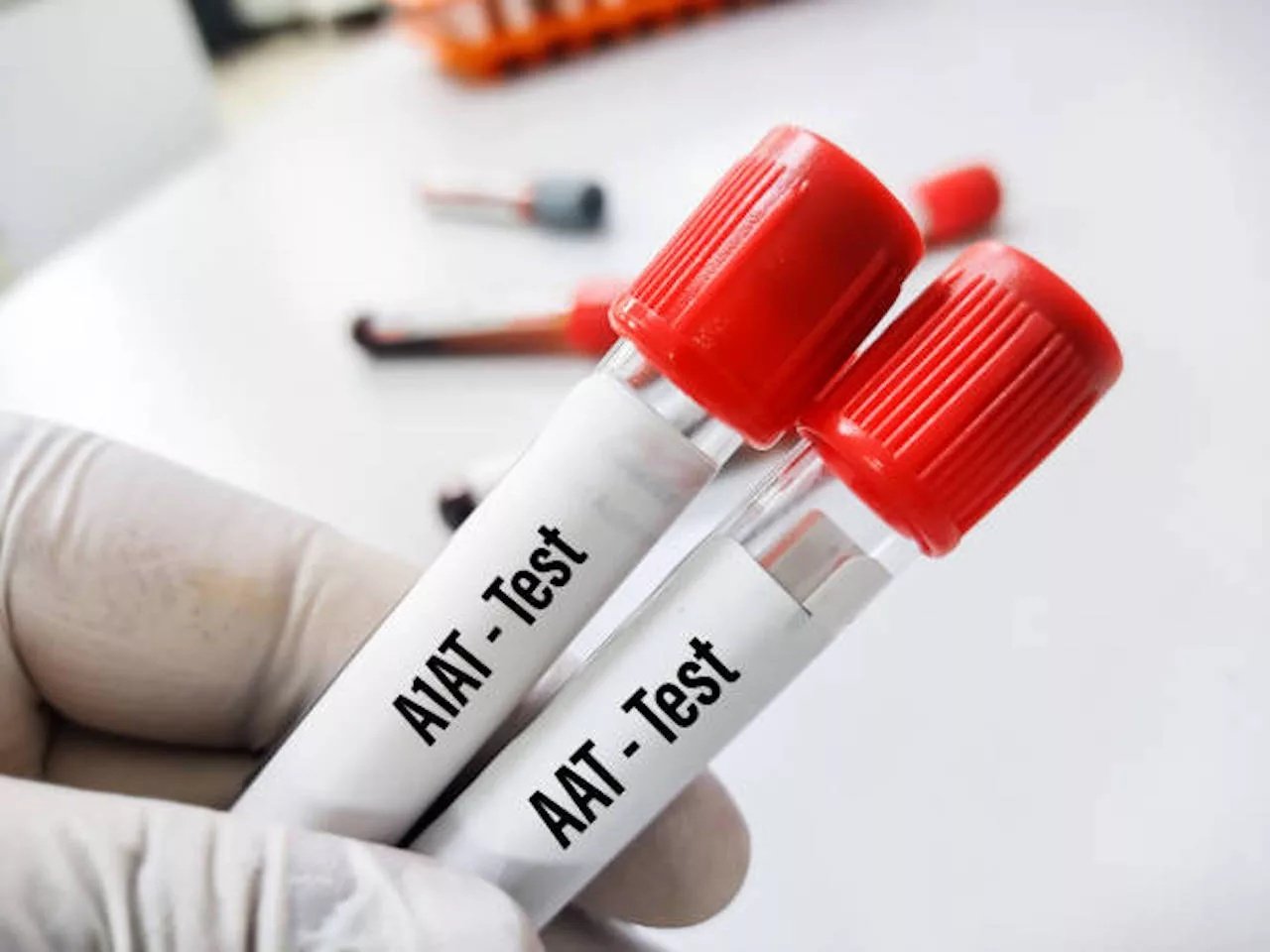
Alpha 1 antitrypsin (A1AT) test is diagnostic for alpha-1 antitrypsin deficiency
Imaging
Imaging modalities help doctors assess the extent of organ involvement in AAT deficiency:
- A chest X-ray helps doctors see changes in the lungs caused by alpha-1 antitrypsin deficiency. It can show if the lungs are overinflated or if there are areas of air trapping called bullae, which are signs of emphysema. These changes usually appear in the lower parts of the lungs.
- A CT scan helps detect lung damage at an earlier stage, even before significant respiratory symptoms can appear. Doctors utilize it to look for scarring, inflammation, or other abnormalities in your lungs.
- An abdominal ultrasound is used to check the liver. It shows the liver’s size, shape, and texture, and helps detect early signs of scarring or advanced liver damage. For liver involvement in AAT deficiency, doctors often recommend repeating the scan every 6 to 12 months to monitor any changes over time.
How do you treat Alpha-1 Antitrypsin Deficiency?
There is no cure for AAT deficiency. However, early diagnosis and consistent care make a major difference in alpha-1 antitrypsin deficiency symptoms.
Quitting Smoking
Quitting smoking is the most important step for anyone with AAT deficiency. Avoiding inhalation of secondhand smoke is equally important, as it can trigger inflammation and worsen breathing problems.
Medications
Among medications, inhaled bronchodilators open your airways, whereas corticosteroids (oral and inhaled) reduce inflammation and prevent flare-ups.
Supportive Therapies
Supportive treatments significantly help people with alpha-1 antitrypsin deficiency feel better and manage day-to-day symptoms:
- Home oxygen therapy may be needed if your resting oxygen level drops below 88%. This modality helps reduce breathlessness and protects your organs.
- Staying up to date with flu and pneumococcal vaccines is important because these infections can quickly worsen lung health.
- Respiratory physical therapy includes gentle exercises, breathing techniques, and practical education. It can strengthen your lungs and improve your stamina.
- Good nutrition and maintaining a healthy weight help you keep your energy levels up. They also support both lung and overall health.
Augmentation Therapy
This therapy involves intravenous infusions of purified alpha-1 antitrypsin from healthy donors. Augmentation therapy is the only treatment that specifically aims to protect the lungs in people with alpha-1 antitrypsin deficiency.
While it can help slow lung damage, augmentation therapy does not reverse existing injury and does not prevent liver disease. You may get augmentation therapy if you meet the following criteria:
- Alpha-1 antitrypsin levels below 11 µmol/L
- Airflow obstruction on spirometry, typically an FEV₁ less than 80% of the predicted value
- Age 18 years or older
- Non-smoker or former smoker
- Able to follow the treatment schedule consistently
Lung Transplant
When lung damage becomes advanced, medical treatments no longer improve outcomes. In these cases, a lung transplant is considered.
Regular Monitoring
Every 6 to 12 months, people with severe alpha-1 antitrypsin deficiency, such as those with ZZ or null genotypes, should have regular check-ups to keep track of how the condition is progressing. These visits usually include:
- Pulmonary function tests, which show how well the lungs are working and how strong the breathing is.
- A six-minute walk test to check stamina and how the body uses oxygen during activity.
- Clinical and quality-of-life assessments to understand how symptoms are affecting everyday life.
Prognosis of AAT Deficiency
Alpha-1 antitrypsin deficiency has a variable prognosis. It depends on different factors, such as:
- How much alpha-1 antitrypsin protein does your body produces
- How early can doctors find out the condition
- How well is alpha-1 antitrypsin deficiency managed
People who are diagnosed early and avoid risk factors, especially smoking, can live long and healthy lives with proper care. A study reports that as many as 20% of patients had gone on to live without significant lung problems two decades after their diagnosis.
Alpha-1 Antitrypsin Deficiency Prevention
Since alpha-1 antitrypsin deficiency is a genetic condition, it cannot be completely prevented. However:
- Genetic counseling family screening can help identify carriers and affected individuals before symptoms develop.
- Avoid smoking completely, as tobacco smoke accelerates lung damage and reduces the remaining protective protein. Even secondhand smoke should be avoided.
- Limit exposure to:
- Stay up to date on flu and pneumonia vaccinations to reduce the risk of respiratory infections that can worsen lung function.
- Avoid alcohol if there are signs of liver involvement. Alcohol increases your risk of:
Conclusion
Alpha-1 antitrypsin deficiency is a lifelong genetic disorder. The disorder primarily affects the lungs and liver. Typical symptoms of alpha-1 antitrypsin deficiency include emphysema (especially in the lower lobes of the lungs), shortness of breath (which first occurs during exertion and then persists at rest), wheezing, chronic cough, chest tightness, frequent lung infections such as bronchitis or pneumonia, and an asthma-like clinical presentation. Early diagnosis and regular medical care can prevent alpha-1 antitrypsin deficiency. Patients who stop smoking, avoid lung irritants, and follow treatment plans have a better prognosis.
References
[1] Feitosa PH. Diagnosis and augmentation therapy for alpha-1 antitrypsin deficiency: current knowledge and future potential.Drugs in Context. 2023;12:1-9. doi:https://doi.org/10.7573/dic.2023-3-1
[2] Alpha-1 Antitrypsin Deficiency and Tobacco Smoking: Exploring Risk Factors and Smoking Cessation in a Registry Population.COPD: Journal of Chronic Obstructive Pulmonary Disease. Published online 2021. doi:https://doi.org/10.1080//15412555.2020.1864725
[3] Meseeha M, Abdulghani Sankari, Attia M. Alpha-1 Antitrypsin Deficiency. Nih.gov. Published August 17, 2024. Accessed October 20, 2025. https://www.ncbi.nlm.nih.gov/books/NBK442030/
[4] Badawy MS, A.F. El Qarn, H.A. Mohamadeen. Clinical features of alpha1 antitrypsin deficiency in COPD.Egyptian Journal of Chest Diseases and Tuberculosis. 2013;62(1):71-77. doi:https://doi.org/10.1016/j.ejcdt.2013.05.007
[5] American Thoracic Society/European Respiratory Society statement: standards for the diagnosis and management of individuals with alpha-1 antitrypsin deficiency.Am J Respir Crit Care Med.2003;168(7):818-900. doi:10.1164/rccm.168.7.818
[6] Meseeha M, Abdulghani Sankari, Attia M. Alpha-1 Antitrypsin Deficiency. Nih.gov. Published August 17, 2024. Accessed October 20, 2025. https://www.ncbi.nlm.nih.gov/books/NBK442030/
[7] Wahlin S, Widman L, Hannes Hagström. Epidemiology and outcomes of alpha‐1 antitrypsin deficiency in Sweden 2002–2020: A population‐based cohort study of 2286 individuals.Journal of Internal Medicine. Published online January 8, 2025. doi:https://doi.org/10.1111/joim.20058
[8] Healthy Living with Alpha-1. Alpha-1 Foundation. Published February 6, 2025. Accessed October 20, 2025. https://alpha1.org/healthy-lifestyle-choices/