
 that...)
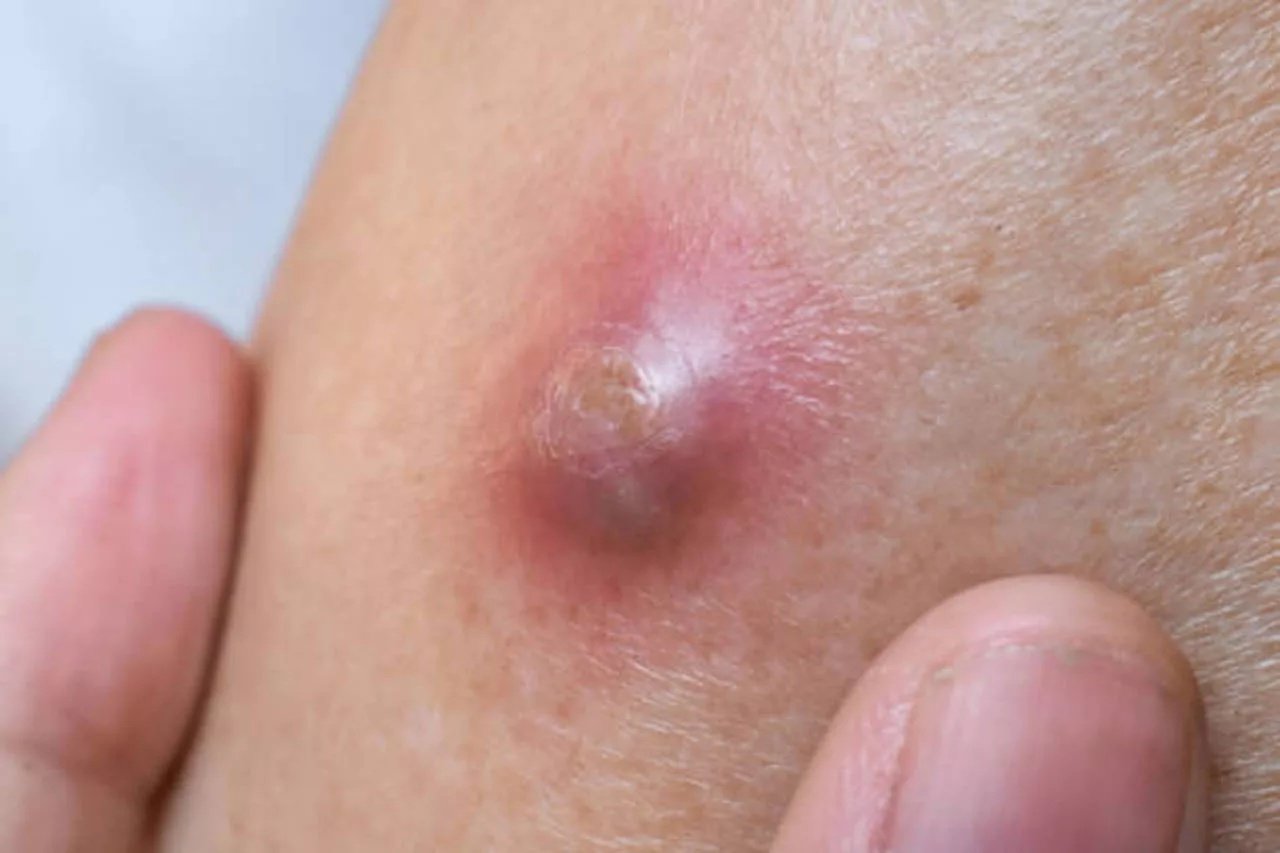
Carbuncle Multiple Boils A carbuncle is a serious cutaneous infection characterized by a cluster of interconnected boils (furuncles) that extend deep into the dermis and subcutaneous tissue. It is typically caused by Staphylococcus aureus and is often accompanied by pus formation, pain at the site, redness, swelling, and, sometimes, systemic symptoms such as fever or malaise, particularly in severe cases.[1]
What is a Carbuncle? : Carbuncle Multiple Boils
A carbuncle is a serious bacterial skin infection and a type of deep skin abscess that forms when multiple boils (furuncles) cluster together and merge. The infection extends deep into the dermis and subcutaneous tissue, and leads to pus production, tissue necrosis, and systemic signs like fever or malaise. Carbuncles are most common in areas where hair follicles are subjected to friction, wetness, or inadequate hygiene. They typically occur on the nape of the neck, the back, the thighs, and the buttocks. Diabetic mellitus, obesity, and immunosuppression make a person more susceptible to getting furuncles.
How Common are Carbuncles?
The incidence of carbuncles is not uniform among population groups. While accurate figures are not well established due to limited reports, carbuncles are most commonly seen in middle-aged and elderly adults. People with illnesses such as diabetes or poor immune function are especially at risk since these conditions lower the body’s defense against infection. Though carbuncles may occur at any age, they are rare in children because of stronger immunity and fewer chronic problems. Studies also show they occur more often in males than females, possibly due to greater skin friction, denser body hair, and more active sweat glands. These factors favor bacterial entry, particularly in areas such as the neck, back, and thighs.[2]
Signs and Symptoms of Carbuncle
A carbuncle usually occurs as a tender and swollen group of boils that develops deep in the skin. It is usually associated with local inflammation and occasionally with systemic symptoms.
Typical signs and symptoms are:
- Painful, red, and swollen mass with multiple pus-filled centers
- Warm and tender sensation on the skin
- Pus and yellowish discharge from one or more openings
- Crusting followed by pus drainage
- Sudden fever and chills in severe or widespread infections
- Fatigue or malaise is caused by the body’s immune response.[3]
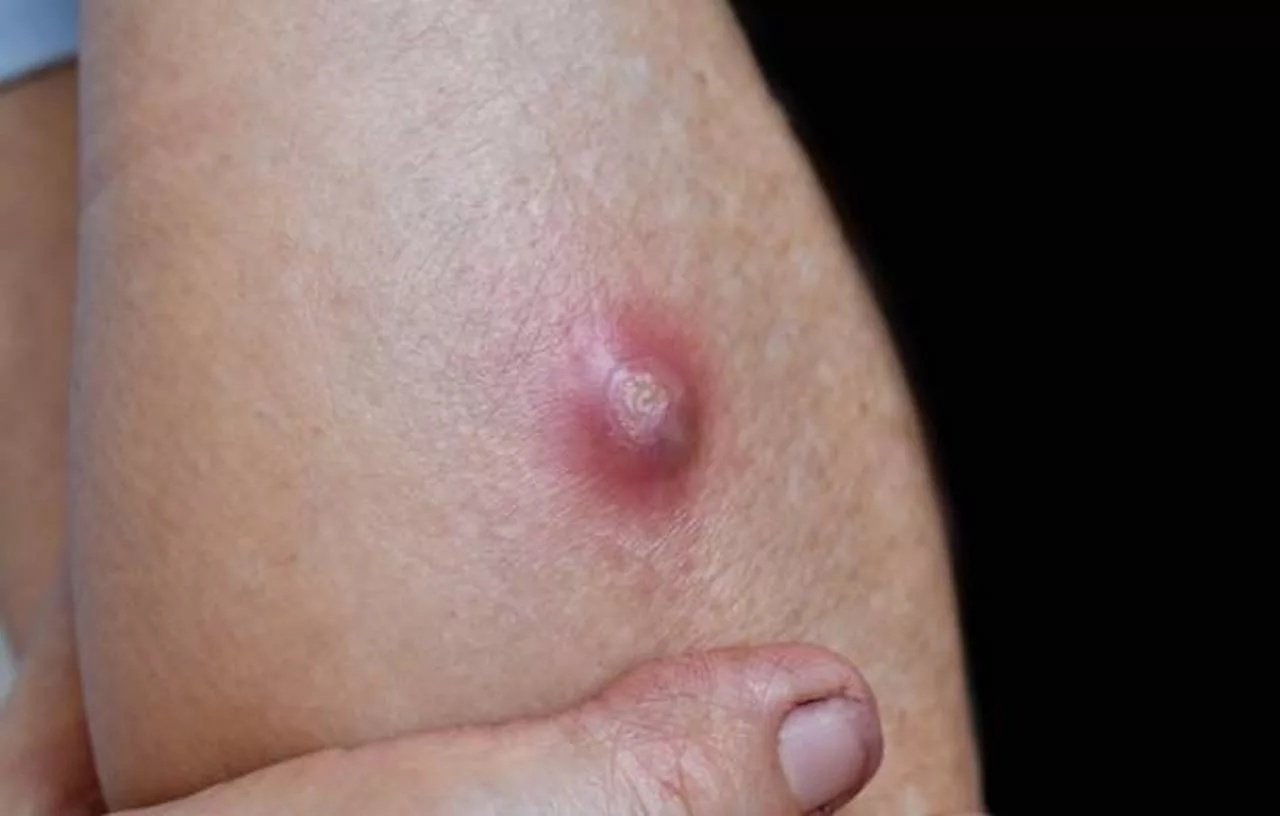
A large carbuncle
What are the causes and risk factors of carbuncles?
Carbuncles are caused primarily by Staphylococcus aureus, a bacterium present on the skin and in the nostrils. While harmless in normal circumstances, it becomes pathogenic when it penetrates the skin through small cuts or friction. Once inside, it multiplies rapidly, leading to inflammation and pus formation. Minor irritations such as shaving nicks, insect stings, or tight clothing may cause hair follicle infection, resulting in a tender carbuncle when several boils merge. Certain types, including MRSA (Methicillin-Resistant Staphylococcus aureus), are more serious and antibiotic-resistant. The bacteria typically enter through cuts, ingrown hairs, or skin damage from eczema or acne. White blood cells fight the infection, causing swelling, redness, and pus.
What Are the Common Risk Factors of Carbuncles?
Some health conditions and lifestyle factors make certain individuals more prone to developing carbuncles.
1. Diabetes
Diabetes is among the most potent risk factors for carbuncles. High blood glucose levels weaken the body’s immune system and impair wound healing. Blood sugar also serves as a source of nutrients for bacteria, supporting their proliferation. Individuals with poorly controlled diabetes are at an increased risk of developing recurrent skin infections such as carbuncles.
2. Weakened Immune System
Patients with compromised immune systems, like those who have HIV/AIDS, are undergoing chemotherapy, or those taking long-term corticosteroids, are at greater risk. Their bodies can not resist bacterial attacks easily, and infections like carbuncles spread quickly.
3. Lack of Hygiene and Profuse Sweating
Poor skin hygiene and excessive sweating create ideal conditions that allow bacteria to grow and enter the skin. Additionally, sharing personal items like towels or razors can easily spread Staphylococcus aureus to others, increasing the likelihood of infection and recurrence.
4. Skin Diseases
Patients with chronic skin conditions like eczema, acne, or dermatitis already have impaired skin barriers that allow bacteria more access. Picking and scratching at affected skin increases this risk even further. Treatment of these basic conditions mitigates the development of carbuncles.
5. Obesity and Age
Obesity is a contributing factor that causes friction and sweating in the skin folds, which provides optimal conditions for bacterial growth. Older people are also susceptible because of slower healing rates, reduced skin thickness, and weakened immune function.[4]
Difference between Carbuncle and Furuncle (Boils)
Both of these skin infections are caused by Staphylococcus aureus, but they vary in depth and severity. A boil is an individual infected follicle, and a carbuncle is a group of connected boils that coalesce into a large abscess.
| Feature | Carbuncle | Boilor Furuncle |
|---|---|---|
| Infection Type | Cluster of interconnected boils forming a large abscess | Single localized infection of one hair follicle |
| Depth | Deep, involving multiple hair follicles and subcutaneous tissue | Superficial, limited to the upper skin layer |
| Size | Large (2–5 cm or more in diameter) | Small (usually <2 cm) |
| Symptoms | Severe pain, redness, swelling, fever, and pus drainage from multiple points | Local pain, swelling, redness, and a single pus head |
| Healing | Slow, may leave scars after drainage and require antibiotics or minor surgery | Heals quickly, scars after drainage |
| Common Sites | Neck, back, buttocks, thighs, and shoulders | Face, armpits, thighs, and neck |
| Risk Factors | Diabetes, poor hygiene, weakened immunity, friction, and sweating | Ingrown hairs, minor cuts, poor hygiene, or shaving irritation |

Carbuncle vs Furuncle: A deep skin abscess formed by clustered boils, compared with a single infected hair follicle.
How to Diagnose a Carbuncle?
Your healthcare provider will diagnose carbuncles through a detailed history, physical examination, and laboratory investigations.
1- History:
Your healthcare provider will inquire about the following:
- Duration and progression of the swelling
- Severity of pain, redness, or discharge
- History of fever or malaise
- Any previous similar lesions or boils
- History of diabetes mellitus or immune suppression
- Recent skin injuries or poor hygiene
- Use of corticosteroids or other medications
2- Examination:
On physical examination, your doctor will:
- Inspect the area for redness and the number of pustular openings.
- Palpate to assess the extent, fluctuation, tenderness, and induration.
- Examine surrounding tissues for cellulitis.
- Check for regional lymph node enlargement.
- Evaluate for signs of systemic infection, such as fever or tachycardia.[5]
3- Laboratory Investigations:
Your doctor will prescribe the following laboratory investigations to confirm the diagnosis and identify any underlying causes:[6]
| Investigation | Purpose | Normal Value / Reference Range |
|---|---|---|
| Pus Culture and Sensitivity | To identify the causative bacteria (commonlyStaphylococcus aureusor MRSA) and determine effective antibiotics. | No bacterial growth (normal finding) |
| Complete Blood Count (CBC) | To detect infection or inflammation by assessing white blood cell levels. | WBC: 4,000–11,000 cells/µLNeutrophils: 40–75%Lymphocytes: 20–40% |
| Blood Glucose (Fasting) | To check for diabetes or poor blood sugar control, as carbuncles are common in diabetics. | Fasting glucose: 70–99 mg/dL (3.9–5.5 mmol/L) |
| HbA1c (Glycated Hemoglobin) | To evaluate long-term blood sugar control in suspected or known diabetes. | Normal: < 5.7%Prediabetes: 5.7–6.4%Diabetes: ≥ 6.5% |
| Blood Culture | Check kidney function before starting antibiotics in severe infection. | No growth after 48–72 hours |
| C-Reactive Protein (CRP) | To assess inflammation and infection severity | Normal: < 10 mg/L |
| Erythrocyte Sedimentation Rate (ESR) | To evaluate chronic or deep infection. | Check kidney function before starting antibiotics in severe infection. |
| Renal Function Test (Urea, Creatinine) | Check kidney function before starting antibiotics, in severe infection. | Urea: 7–20 mg/dLCreatinine: 0.6–1.2 mg/dL |
| Liver Function Test (ALT, AST) | To assess liver function before antibiotic therapy. | Check kidney function before starting antibiotics in severe infection. |
What is the treatment of a carbuncle?
The preferred treatment for a carbuncle is incision and drainage (I&D), which allows pus to be drained and the infected tissue to heal properly. For mild infections, warm compresses and proper hygiene can ensure the lesion drains on its own without antibiotics. For moderate or severe infections, your physician can prescribe antibiotics and perform surgical drainage to prevent the infection from spreading and facilitate a quicker recovery.
1- Incision and Drainage:
If the carbuncle is large, painful, or recalcitrant, your doctor will perform a minor procedure called incision and drainage (I&D). Under the procedure, your doctor makes a small cut into the carbuncle to drain pus, reduce tension, and relieve pain. Sterile saline is used to irrigate the area and eliminate any remaining bacteria.
They may also send a swab of the pus to the lab for culture and sensitivity to check for the bacteria and the appropriate antibiotic. Then, they will loosely pack the wound with sterile gauze to avoid recurrence and continued draining.
In severe infection or infection associated with fever, weakness, or conditions such as diabetes, intravenous (IV) antibiotics and hospital wound care may be required. Proper aftercare and hygiene should be followed to prevent reinfection and ensure proper healing.
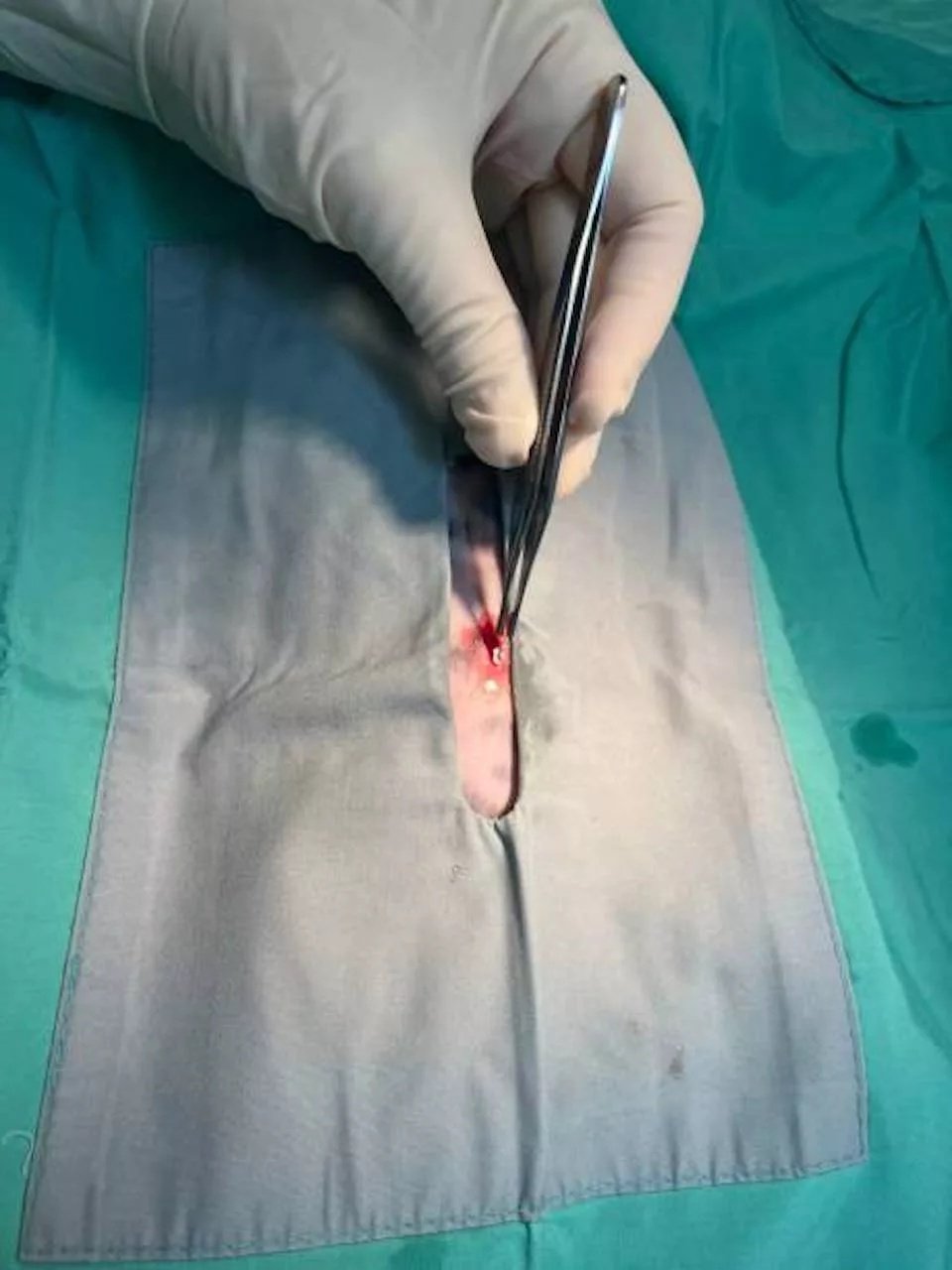
Incision and drainage for a carbuncle
2- Medical treatment:
Your doctor will first assess the size, position, and severity of the carbuncle to determine the best treatment. In mild and moderate cases, medication is frequently effective. The goal is to control infection, relieve pain, and allow proper healing.[7]
Your physician will prescribe antibiotics if the infection is worsening, you are experiencing fever, or the carbuncle occurs in areas like the face or spine. The following antibiotics are recommended for carbuncles:
1-Dicloxacillin and Cephalosporins: These antibiotics kill bacteria most likely to cause skin infections.
2-Clindamycin: This is reserved for more severe cases or when other antibiotics are not effective.
3-Trimethoprim-sulfamethoxazole (TMP-SMX) and Doxycycline: These are usually prescribed if the infection is due to MRSA (an antibiotic-resistant strain of bacteria).[8]
For fever and pain, your doctor may recommend ibuprofen or acetaminophen (paracetamol) to reduce inflammation, bring the temperature down, and ease discomfort.
Your doctor may recommend a benzoyl peroxide wash or using antibacterial soaps to prevent recurrence. [9]
What are the complications of a carbuncle?
Carbuncles can lead to serious health complications if not treated early or effectively. The infection can spread beyond the skin and cause systemic or organ-related complications.
- Sepsis: Sepsis occurs when bacteria enter the bloodstream and cause a widespread and potentially life-threatening infection.
- Cellulitis: If the bacterial infection spreads to the deeper layers of the skin and subcutaneous tissue, it can cause cellulitis.
- Abscess formation: An abscess is a pus-filled infection that can develop in organs such as the brain, kidneys, or spinal cord. Untreated carbuncles can form an abscess.
- Osteomyelitis (Bone infection): If a skin infection spreads to and damages the bone, it can cause osteomyelitis or bone infection
- Endocarditis: In severe cases, widespread infection can spread to the inner lining of the heart, which can lead to serious cardiac complications.
- Cavernous sinus thrombophlebitis: This is a rare but severe infection of veins near the brain that can affect vision or be life-threatening. Carbuncles in the danger zones of the face can cause this complication if they are not treated in a timely manner.
- MRSA infections: Recurrent carbuncles may cause infections due to methicillin-resistant Staphylococcus aureus, which are difficult to treat.
- Scarring or nerve damage: Scarring and nerve damage themselves are not complications of carbuncles. However, they may occur as a complication of a surgical procedure (incision and drainage) to drain pus.
What is the prognosis of a carbuncle?
The prognosis of a carbuncle is generally good with early and proper treatment. Most patients recover fully after incision and drainage, and with appropriate antibiotics. Delayed or inadequate care may lead to complications such as cellulitis or sepsis. People with diabetes or weakened immunity may experience slower healing or recurrence. However, carbuncles usually heal within a few weeks without major complications with good hygiene and proper wound care.
Conclusion
A carbuncle is a skin infection that occurs when multiple boils combine. It is a severe bacterial infection that can lead to deep tissue damage if left untreated. Early symptoms such as redness, swelling, and pain need immediate attention to avert complications. Individuals with diabetes or compromised immunity are more susceptible to getting this skin infection. Carbuncles recover within weeks with adequate drainage and antibiotics and have a good prognosis. You can prevent this infection by practicing proper hygiene and wearing loose-fitting clothes to prevent the growth of bacteria.
References
[1] Berman, J. K. (1939).Carbuncle.The American Journal of Surgery, 39(1), 77–84. Elsevier.https://www.sciencedirect.com/science/article/pii/S0002961038907706
[2] Dryden, M. S. (2010).Skin and soft tissue infection: Microbiology and epidemiology.International Journal of Antimicrobial Agents, 35(Supplement 1), S2–S7.https://doi.org/10.1016/S0924-8579(10)70002-
[3] Gouleu, C. S., Daouda, M. A., Oye Bingono, S. O., et al. (2024). Temporal trends of skin and soft tissue infections caused by methicillin-resistant Staphylococcus aureus in Gabon. Antimicrobial Resistance & Infection Control, 13, 68. https://doi.org/10.1186/s13756-024-01426-0
[4] Liu, C., et al. (2011).Clinical practice guidelines by the Infectious Diseases Society of America for the treatment of methicillin-resistant Staphylococcus aureus infections in adults and children.Clinical Infectious Diseases.https://doi.org/10.1093/cid/ciq146National Center for Biotechnology Information. (2018).Boils and carbuncles.InNCBI Bookshelf.U.S. National Library of Medicine.https://www.ncbi.nlm.nih.gov/books/NBK513141/
[5] Önal, P., Sever, G. A., Eren, B. A., Kes, G., Sakallı, A. A. K., Aygün, F., Aygün, G., Çokuğraş, H., & Aygün, F. D. (2025). Investigating Different Clinical Manifestations ofStaphylococcus aureusInfections in Childhood—Can D-Dimer and Fibrinogen Predict Deep Tissue Invasion?Children, 12(8), 959. https://doi.org/10.3390/children12080959
[6] Changchien, C.-H., Chen, S.-W., Chen, Y.-Y., et al. (2016). Antibiotic susceptibility and genomic variations inStaphylococcus aureusassociated with Skin and Soft Tissue Infection (SSTI) disease groups.BMC Infectious Diseases, 16, Article 276. https://doi.org/10.1186/s12879-016-1630-z
[7] Stevens DL, Bisno AL, Chambers HF, et al. Practice guidelines for the diagnosis and management of skin and soft tissue infections: 2014 update by the Infectious Diseases Society of America.Clin Infect Dis. 2014;59(2):e10–52.
[8] Clinical Practice Guidelines by the Infectious Diseases Society of America for the Treatment of Methicillin-Resistant Staphylococcus aureus Infections in Adults and Children.Clin Infect Dis. 2011;52(3):e18-e55.
[9] Infectious Diseases Society of America. (2014).Practice guidelines for the diagnosis and management of skin and soft tissue infections: 2014 update by the Infectious Diseases Society of America.Clinical Infectious Diseases, 59(2), e10–e52.https://www.idsociety.org/practice-guideline/skin-and-soft-tissue-infections/