

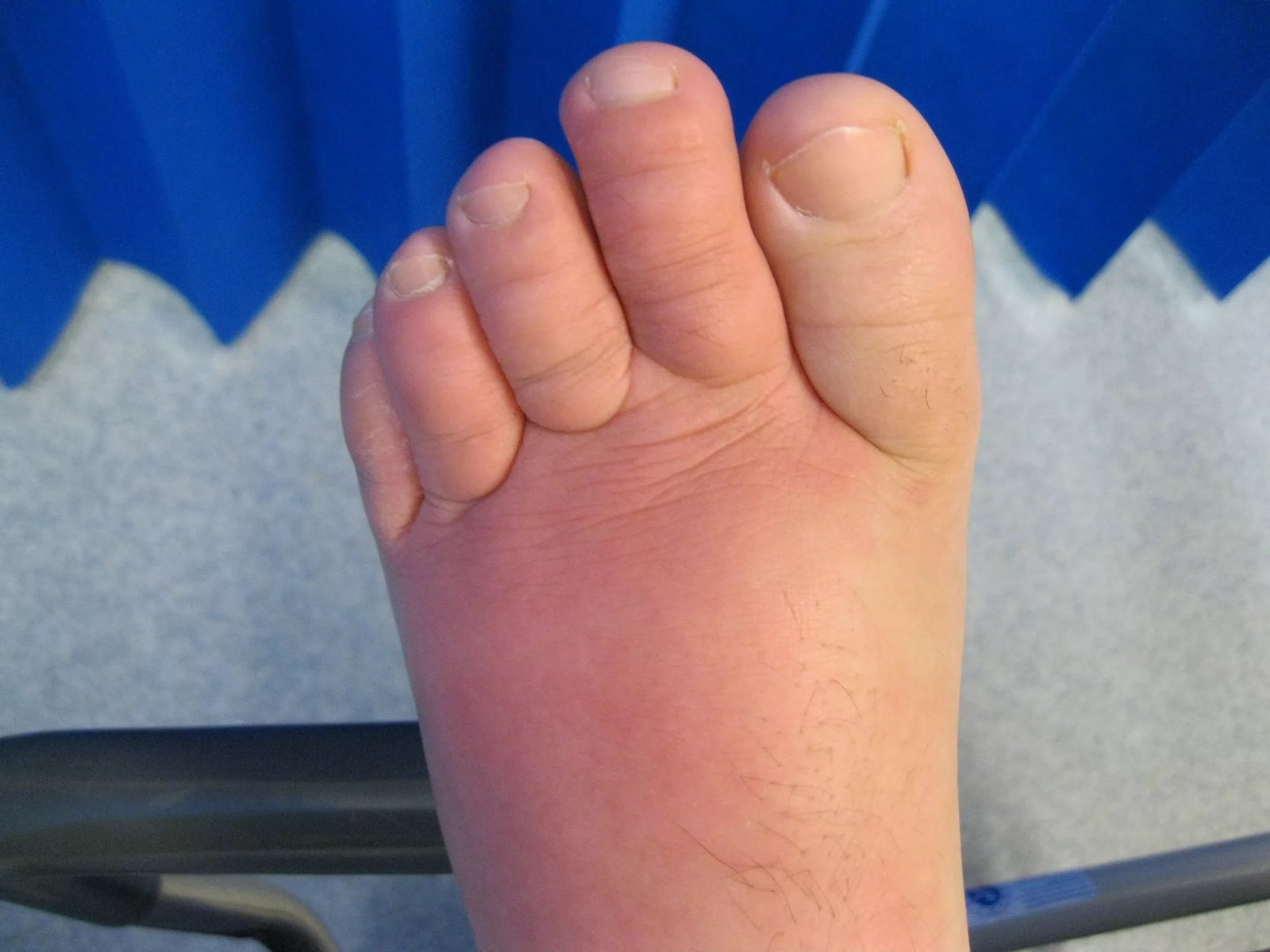
Cellulitis Common Skin Our skin is the first line of defence against the various pathogens and offending organisms present around us. However, this barrier can sometimes be compromised, leading to infections such as cellulitis, which occurs when bacteria invade the deeper layers of the skin through minor cuts, bumps, or interventions like needling.
Cellulitis is one of the most common skin infections. It can develop quickly after even minor skin trauma and, if left untreated, may significantly impact a patient’s quality of life. According to the latest research, 56 million people worldwide are affected by it.[1]
With the increasing incidence of predisposing factors such as obesity, diabetes, and occupational hazards, the number of patients is only expected to rise. Understanding the causes, symptoms, and management of this condition is essential for preventing complications and ensuring timely treatment.
A woman assessing her skin following trauma and itch. Image credit:Freepik
What is Cellulitis? : Cellulitis Common Skin
Cellulitis is an acute skin condition that primarily affects the deeper layers of the skin. The uppermost layer of the skin, called the epidermis, is spared. In contrast, the inner layers of the dermis and the subcutaneous tissue are involved. It is a bacterial infection. There are many culprit bacteria, but Staphylococcus aureus and Group A Streptococci are most commonly involved.
What are the Common Causes of Cellulitis?
The foremost step in the development of cellulitis is a breach in the skin barrier. Accidental cuts, traumatic skin punctures, tattooing, uncleaned wounds, and even surgical breaks in the skin can lead to this condition.
Skin Injuries
Minor nicks and cuts in daily life can lead to cellulitis if the skin is left unattended and is not cleaned or debrided properly. Always wash skin injuries thoroughly, and seek professional care for larger wounds to prevent it.
Surgical Wounds
Cellulitis can result from contaminated surgical wounds or improper post-operative wound care, although it may also occur despite sterile technique. The breach in the skin provides an ideal entry site for bacteria to enter and invade. Therefore, it is pivotal to change surgical dressings and to clean the wound properly.
Insect Stings
Insect stings can cause cellulitis, and the initial swelling can be mistaken for normal sequelae of stings. The itch following an insect bite aggravates the skin condition by making it more vulnerable to bacterial infection.
Tattooing
Multiple, minute skin punctures in the process increase the risk of cellulitis. A lack of cross-infection control and improper needle storage in tattoo parlors can introduce bacteria during the inking process.
Chronic Skin Conditions
Certain skin conditions, like eczema, Athlete’s foot, andpsoriasis, can lead to an uncomfortable itch. This becomes a bigger problem during drier seasons when the skin becomes flaky and peels off easily in people with chronic skin diseases. The irresistible scratching can lead to many tiny skin breaks. This increases the risk of cellulitis and cellulitis complications. Tinea pedis (Athlete’s foot) is one of the major contributors to recurrent cellulitis, especially of the legs.
Lack of Hygiene
Failing to maintain personal hygiene and not living in sanitary conditions can lead to cellulitis. Staphylococcus aureus commonly colonizes the nose and skin, and unclean hands or nails can transfer bacteria to areas of broken skin.[2]. Since this bacterium is part of the normal flora of human skin and nose, not washing hands and bodies properly can lead to its accumulation to a level where a simple cut can lead to cellulitis.
The severity and complications of cellulitis vary from site to site; for instance, cellulitis of the face or the eye can involve the brain and the nervous system, leading to lifelong disability.[3] The treatment and management of cellulitis depend on the affected body part.
How to Recognize Cellulitis Symptoms?
Cellulitis has an acute onset, and it exhibits the typical picture of acute inflammation. In most cases, patients will be able to recall and retrace the event back to a skin trauma.
The most common cellulitis symptoms include:
An Area of Redness
The affected area of the skin is visibly ruddy and differs visibly from the unaffected parts.
Swelling
Cellulitis causes the affected area to swell and look visibly elevated compared to the adjoining skin.
Pain
A classic symptom of cellulitis is tenderness to touch in the affected part; palpation can lead to significant pain that may linger on for a while, even after the stimulus is removed
History of a Quickly Expanding Rash
Patients with cellulitis usually present with a red, painful rash and report that it has spread over the affected area in the past 24 hours.
Fever and Malaise
Depending on the patient’s health status, the early stages of cellulitis may cause a general feeling of being unwell (malaise) and a fever that may range from low-grade to very high-grade.
You may also see warmth of the skin, lymphangitis (red streaks), and induration.
What are the Different Types of Cellulitis?
Based on the Location
Cellulitis can be classified based on the affected organ. The most common types include:
Leg Cellulitis
Doctors usually report leg cellulitis in patients with a chronic disease, such as a skin condition or diabetes. Usually, only one leg is affected. Chronic edema and lymphedema significantly increase the risk of leg cellulitis.
Facial, Periorbital, and Orbital Cellulitis
All these types of cellulitis commonly result from sinus infection or unaddressed caries that may have progressed to death of the tooth pulp. Facial cellulitis involves the face, usually the cheeks; periorbital cellulitis affects the skin around the eye, while orbital cellulitis affects the muscle and fat of the eyeball. Children are more likely to present with these types of infections. Orbital cellulitis is a medical emergency requiring urgent imaging and IV antibiotics.

Patient with orbital cellulitis. Image accessed viaFlickrUnder license CC BY 2.0
Based on the Presence and Absence of Pus
Purulent Cellulitis
Commonly caused by Staph. Aureus, this type of cellulitis presents with oozing pus or an abscess.
Non-Purulent Cellulitis
It presents with the common cellulitis symptoms and lacks any pus-containing lesion. Strep. Infections usually exhibit such features.
Risk Factors for Cellulitis
The risk of developing cellulitis following skin trauma depends on several factors. These include:
Age
Advanced age is associated with a greater predisposition to fungal skin conditions and a higher incidence of conditions that may restrict blood flow. Older individuals are also more likely to have a sedentary lifestyle and a weakened immune system. All of these reasons combine to make old age an important risk factor in cellulitis susceptibility.
Health Status
Metabolic diseases, such as diabetes, increase the risk of developing cellulitis and cellulitis complications. Diabetic patients are at an increased risk of developing pressure sores and ulcers on their feet. This exponentially augments their vulnerability to developing cellulitis in the lower extremities.
Intravenous Drug Users
Individuals who require regular intravenous drug administration are at an increased risk of cellulitis. The site of needle insertion is a route of less resistance for offending pathogens to enter and infect the deeper layers of the skin. The risk is even greater for drug abusers who tend to reuse infected injections and share needles amongst themselves.
History of Cellulitis
Having previous bouts of cellulitis increases the likelihood of a future infection; this especially applies to patients who live in crowded, unsanitary settings and don’t make significant lifestyle changes following the initial episode.
Which Organs Are More Likely To Be Affected by Cellulitis?
While cellulitis can affect almost any part of the body, the most commonly affected sites include the lower extremities, i.e., the legs, feet, and toes. This is usually because of a slower blood flow to these extremities than the rest of the body; another reason might be the fact that our legs and feet are more prone to trauma, especially resulting from chronic skin conditions, and because of drier skin covering our heels.
The severity and complications of cellulitis vary from site to site. For instance, cellulitis of the face or the eye can involve the brain and the nervous system, leading to lifelong disability. Periorbital cellulitis is usually mild, but orbital cellulitis can cause intracranial spread if untreated.
Hence, cellulitis treatment and management vary from one part of the body to another.
What are the Warning Signs of Cellulitis Complications?
Untreated cellulitis symptoms may advance to cellulitis complications. The infection breaches the skin and enters the bloodstream. This causes the infectious bacteria to enter multiple organs and, in very severe cases, can cause death.
The most common complications are:
- Permanent vision loss caused by unchecked orbital cellulitis[4]
- Pansinusitis
- Bacterial arthritis
- Gangrene
- Osteomyelitis
- Meningitis
- Endocarditis
- Bacteremia
- Sepsis and septic shock
- Abscess formation and lymphangitis[5]
If you don’t address cellulitis symptoms in time, complications can arise very quickly, especially if you already have an existing chronic disease, such as diabetes. If you feel a sudden onset of nausea, neck pain, a high-grade fever, and changes in breath, you should immediately go to the hospital. Timing is of utmost importance in the management of cellulitis complications. Give special attention to the Cellulitis of or around the eye to prevent permanent vision damage.
What are the Options for Cellulitis Treatment?
Warm Compresses
The first line of approach in the initial stages of cellulitis is to apply warm compresses to the affected area, for which you can use a hot water bottle, or heat a piece of towel. Apply firm, gentle pressure for proper heat delivery without causing unnecessary pain. Repeating the process 2-4 times a day should relieve symptoms. It is important to note that warm compresses can help with discomfort but are not a substitute for antibiotics. In case of cellulitis of the fingers or toes, dipping the affected limb in warm water with some salt can have the same effect, and you can also wear warm compression socks, especially for leg cellulitis. However, make sure the compression socks aren’t too tight, so they don’t hinder blood flow, and try to change them at intervals to keep the affected site clean.
Elevation of the Affected Limb
A dull throbbing pain is a common complaint of cellulitis patients. In case of leg or foot cellulitis, propping up the limb with multiple pillows underneath to a comfortable level can enhance blood flow and reduce inflammation. Lifting it can also relieve the throbbing feeling and help the patient relax.
Over-the-counter (OTC) Painkillers
OTC painkillers are taken in case of severe pain and inflammation, which may include acetaminophen and NSAIDs such as ibuprofen. However, it is better to consult your general practitioner to ensure a correct dosage regimen for cellulitis. NSAIDs should be used cautiously in severe infections as they may mask progression.

A doctor prescribing medications to a patient. Image credit:Freepik
Oral Antibiotics
In patients with high-grade fever and systemic symptoms, oral antibiotics are prescribed to alleviate cellulitis symptoms. Antibiotics are unavoidable for patients with diseases like diabetes and for immunocompromised patients, as these individuals are more susceptible to developing cellulitis complications.
Common first-line antibiotics include cephalexin or flucloxacillin; MRSA risk may require clindamycin or TMP-SMX (varies by region).
Intravenous Antibiotics
When cellulitis patients don’t respond to oral antibiotics or develop cellulitis complications, injectable antibiotics might be needed. This is particularly important to prevent the spread of bacteria into the bloodstream and prevent multi-organ involvement.
With proper and timely management, cellulitis can be cured within 5-10 days.[6] Patients should follow their doctor’s advice and take ample rest to recover.
Can We Prevent Cellulitis?
If you or your loved ones have any of the risk factors mentioned for cellulitis, it is important to practice good hygiene to prevent wound infection. Maintaining cleanliness can reduce the risk of cellulitis and help avoid infection even after skin trauma.

A person maintaining good hygiene to keep the chance of cellulitis low.
Maintaining an ideal weight and making good lifestyle choices can strengthen our immune system, hence making our body better at combating bacteria that may cause cellulitis.
Diabetic patients should maintain proper glycemic control and take their medications diligently to prevent any unwanted cellulitis complications. If they already have diabetic foot or pressure sores, they should visit their healthcare provider regularly to have these areas checked and cleaned. In case of sudden worsening of pain or changes in the appearance of the wounds, they should contact their doctor immediately.[7] Treating Athlete’s foot and managing chronic leg swelling are essential steps to prevent recurrence.
Another common skin condition, very similar to cellulitis, is erysipelas.
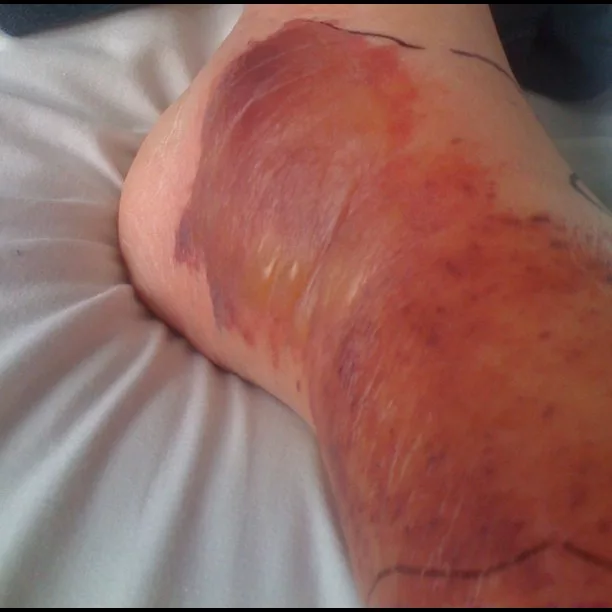
Patient with demarcated erysipelas, contrasting with the diffuse borders typically seen in cellulitis. Image available viaFlickrUnder license CC BY 2.0
The symptoms, clinical picture, and even the involved pathogens are the same for both. However, in cellulitis vs. erysipelas, the latter tends to have a more superficial presence on the skin. Erysipelas doesn’t exhibit the spreading, ill-defined rash seen in cellulitis. Rather, erysipelas has a very well-demarcated border with uninfected skin and does not extend into the deeper layers. Erysipelas is most often caused by Group A Streptococcus. It is more likely to involve the lymphatic system than cellulitis.
The face is a more favoured site of infection in erysipelas than in cellulitis, which more often affects the lower limbs. The management and treatment outcomes for both cellulitis and erysipelas are the same.[8]
Wrapping Up
Cellulitis is a common yet potentially serious skin infection, and early recognition remains the key to preventing complications. Understanding its causes, warning signs, and the importance of timely medical treatment helps reduce risks and ensure better outcomes. While supportive care can ease discomfort, proper diagnosis and professional management are essential for full recovery. By staying informed and seeking prompt care when symptoms appear, patients can prevent cellulitis from progressing and protect their overall health.
References
[1] Xue, Y., Zhou, J., Xu, B., Li, Y., Bao, W., Cheng, X. L., He, Y., Xu, C. P., Ren, J., Zheng, Y. R., & Jia, C. Y. (2022). Global Burden of Bacterial Skin Diseases: A Systematic Analysis Combined With Sociodemographic Index, 1990–2019.Frontiers in Medicine,9, 861115. https://doi.org/10.3389/fmed.2022.861115
[2] Ren, Z., & Silverberg, J. I. (2021). Burden, risk factors, and infectious complications of cellulitis and erysipelas in US adults and children in the emergency department setting.Journal of the American Academy of Dermatology,84(5), 1496-1503. https://doi.org/10.1016/j.jaad.2020.11.021
[3] Mengist, A., Aschale, Y., & Reta, A. (2017). Bacterial and Parasitic Assessment from Fingernails in Debre Markos, Northwest Ethiopia.Canadian Journal of Infectious Diseases and Medical Microbiology,2018(1), 6532014. https://doi.org/10.1155/2018/6532014.
[4] Berdouk, S., & Pinto, N. (2018). Fatal orbital cellulitis with intracranial complications: a case report.International journal of emergency medicine,11(1), 51.
[5] Collazos, J., García, A., Gómez, H., Menéndez, C., Enríquez, H., Sánchez, P., Alonso, M., López-Cruz, I., Martín-Regidor, M., Martínez-Alonso, A., Guerra, J., Artero, A., Blanes, M., & Asensi, V. (2020). Factors associated with sepsis development in 606 Spanish adult patients with cellulitis.BMC Infectious Diseases,20, 211. https://doi.org/10.1186/s12879-020-4915-1
[6] Cranendonk, D., Opmeer, B., Van Agtmael, M., Branger, J., Brinkman, K., Hoepelman, A., Lauw, F., Oosterheert, J., Pijlman, A., Sankatsing, S., Soetekouw, R., Veenstra, J., De Vries, P., Prins, J., & Wiersinga, W. (2020). Antibiotic treatment for 6 days versus 12 days in patients with severe cellulitis: A multicentre randomized, double-blind, placebo-controlled, non-inferiority trial.Clinical Microbiology and Infection,26(5), 606-612. https://doi.org/10.1016/j.cmi.2019.09.019
[7] Sullivan, T. (2018). Diagnosis and management of cellulitis.Clinical Medicine,18(2), 160. https://doi.org/10.7861/clinmedicine.18-2-160
[8] Fetters, L., & Villaseñor, S. (2021). Erysipelas, the “Other” Cellulitis: A Practical Guide for Nurse Practitioners.The Journal for Nurse Practitioners,17(8), 954-957. https://doi.org/10.1016/j.nurpra.2021.04.026