

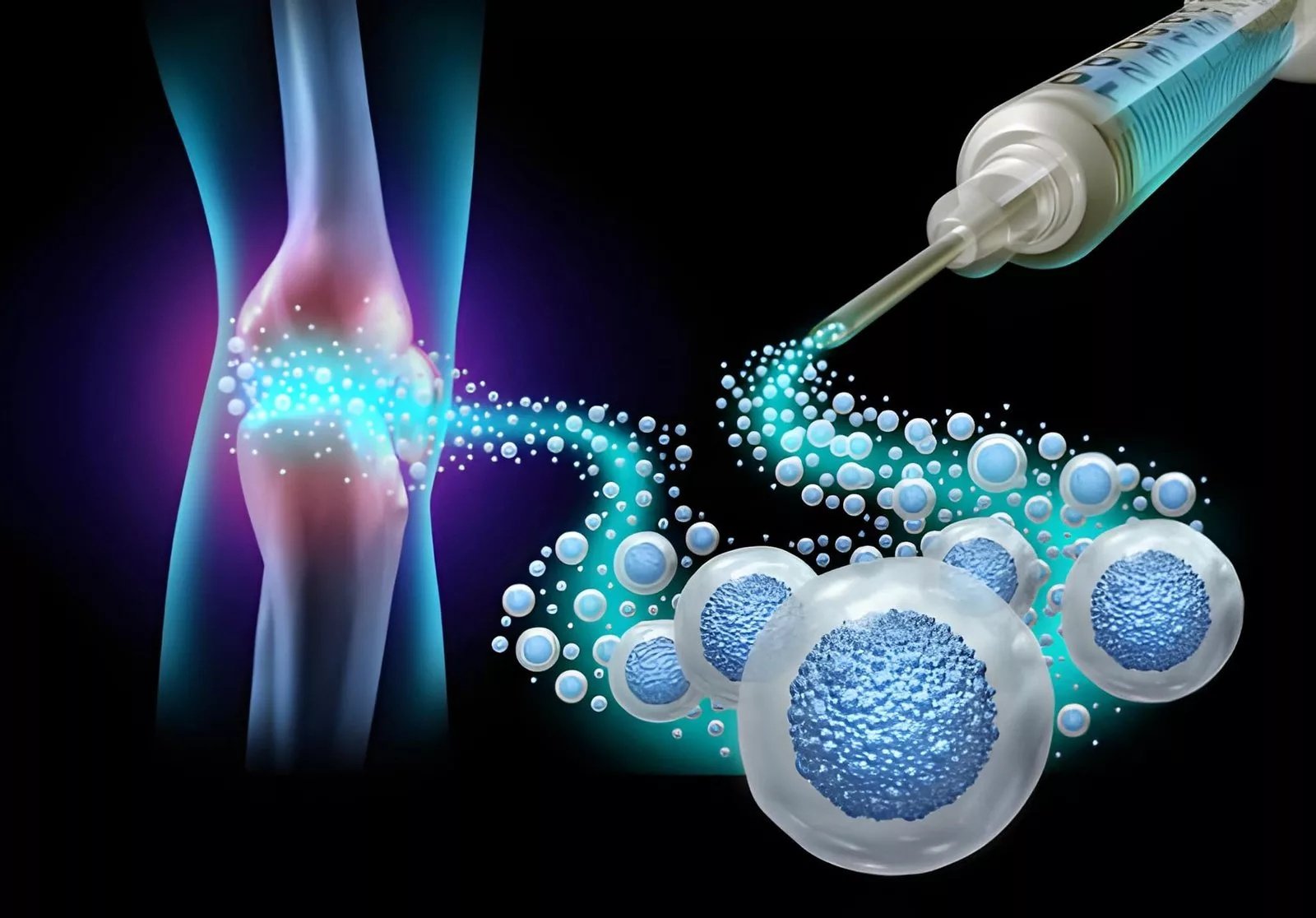
Exosome Therapy Emerging Exosome therapy uses tiny natural particles released by your own cells that help cells communicate and coordinate healing. These particles act like messengers, carrying signals that can influence inflammation, tissue repair, and recovery processes in the body. It is not about introducing new cells; instead, this approach focuses on supporting the body’s own repair system by enhancing how cells communicate with each other. And this is not merely a wellness trend; it is being explored as a potential tool in regenerative medicine, where the goal is to help damaged tissues recover more efficiently using the body’s natural signaling system.
What Is Exosome Therapy?: Exosome Therapy Emerging
To gain insight into it, you have to know what exosomes are. Exosomes are small particles that are generated by every cell of your body and are a subtype of extracellular vesicles (EVs). Imagine that they are biological text messages. They transport proteins, fats, and genetic materials such as RNA between cells. When the cell is in good health or stressed, and also when it is damaged, it releases exosomes to interact with its neighboring and distant cells. These small vesicles inform the cells where they are received what to do by influencing cellular behavior through signaling mechanisms rather than directly controlling them.[1]
Exosomes measure approximately 30 to 150nm. That is not more than a small dot, even smaller than a red blood cell. Although they are very small, they have a heavy payload. They are natural mediators that play a role in the organization of the repair, minimization of inflammatory processes, and the regulation of the immune system.
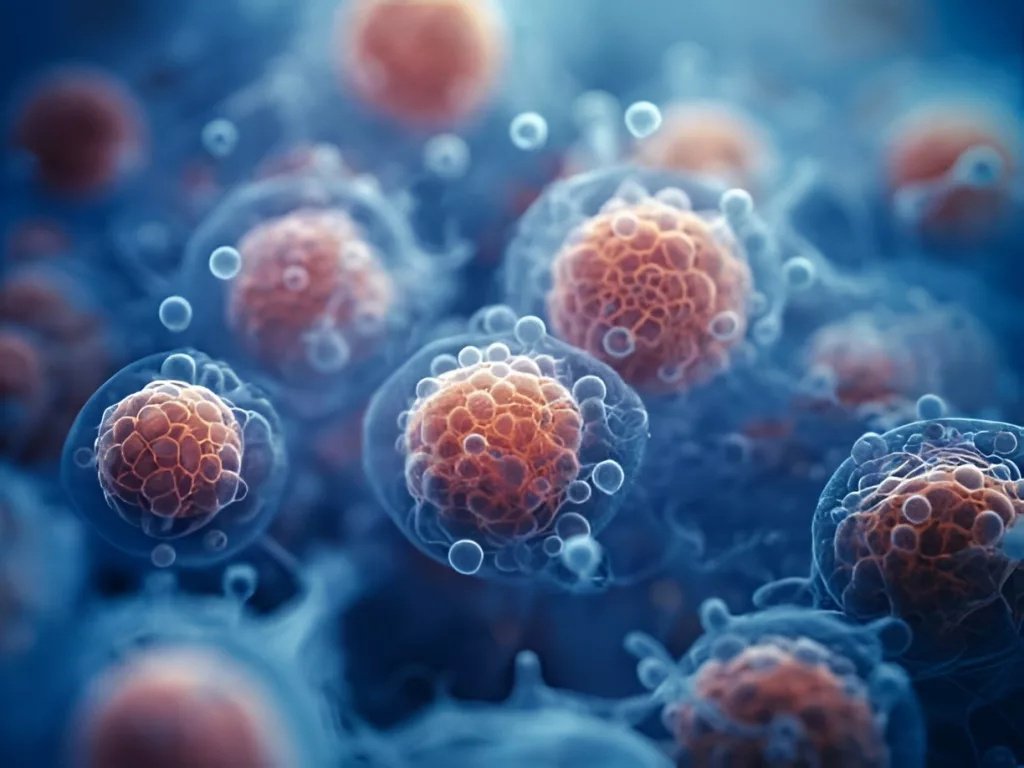
Human cells secrete exosomes that carry signaling molecules for cell communication and tissue repair
Exosome therapy simply utilizes this natural process and employs it as a potential therapeutic approach rather than an established standard treatment. The concept is to transport specific exosomes, particularly those derived from stem cells, to the regions of the body that require healing. After they arrive at the destination, they transport their cargo and influence a regenerative response in damaged or inactive cells.
Stem Cell Exosomes: The Big Source
Stem cell exosomes have generated much excitement in exosome therapy. It has been determined by researchers that mesenchymal stem cell (MSC) exosomes contain potent regenerative signals. Some sources of MSCs include bone marrow, fat tissue, and the umbilical cord.[2]
The fact that stem cell exosomes have a potentially favorable safety profile compared to whole-cell therapies is what is of particular interest. Stem cell-derived exosomes have many advantages in comparison with stem cells, including lower immunogenic potential, reduced risk of infusion-related complications, easier storage and handling, and fewer ethical concerns.
Stated more simply, you receive a great number of the advantages of stem cell therapy, but with fewer of the dangers.
How Does Exosome Treatment Work in the Body?
After being introduced, exosomes spread throughout the body and contact target cells. They may be provided in various forms.[3]
- By way of the blood
- By injection into a specific area, such as a joint or the scalp
- Via nose (intranasal delivery; currently experimental in most settings)
- Via the skin using microneedling
The mode of delivery is determined by the condition treated. After accomplishing their target, they discharge their molecular cargo. This cargo has the ability to modulate anti-inflammatory pathways, activate resident progenitor or stem-like cells, and promote angiogenesis (formation of new blood vessels). Exosomes offer a protective barrier to encapsulated cargo, which protects it against degradation and increases its stability.
This is one of the big benefits compared to conventional drug delivery. The regular drugs tend to disintegrate even before they reach their target. Exosomes also shield their cargo and provide more efficient cellular uptake, although targeted delivery remains an area of ongoing research.
Medical Conditions Being Studied
The spectrum of the conditions being studied is wide. The medical fields that researchers are investigating exosomes include dozens. Here is a summary of some key areas:[4]
| Condition/Area | Type of Exosome Used | Stage of Research |
|---|---|---|
| Duchenne Muscular Dystrophy | Cardiosphere-derived | Phase III Clinical Trial |
| ARDS (Acute Respiratory Distress) | Bone marrow MSC-derived | Phase III Clinical Trial |
| Hair Loss (Androgenetic Alopecia) | MSC, adipose-derived | Clinical studies/emerging |
| Wound Healing | Platelet-derived | Phase I completed |
| SkinRejuvenation | MSC-derived | Early clinical/cosmetic use |
| Neurodegenerative Diseases | Neural stem cell-derived | Early clinical trials |
| Cancer Drug Delivery | Engineered exosomes | Preclinical and early Phase I |
| Graft-vs-Host Disease | MSC-derived | Case reports and trials |
This review of 90 clinical trials indicates the wide clinical uses of exosomes. Notably found in plasma, serum, and urine, exosomes were mostly employed as diagnostic and prognostic biomarkers, particularly in cancers, including breast, prostate, and liver. Approximately 21% of studies investigated therapeutic opportunities, especially exosomes made of stem cell sources to treat COVID-19 and neurodegenerative diseases, and to deliver drugs, although many of these studies are early-phase or exploratory in nature.
Exosome Therapy for Hair Loss
Exosome hair therapy is one of the most discussed applications nowadays. Hair loss, in particular, androgenetic alopecia, impacts millions of humans. The majority of the existing treatments are limited. Minoxidil is effective in some individuals and not in others. The hair transplants are costly and invasive. Finasteride has hormonal side effects.[5]
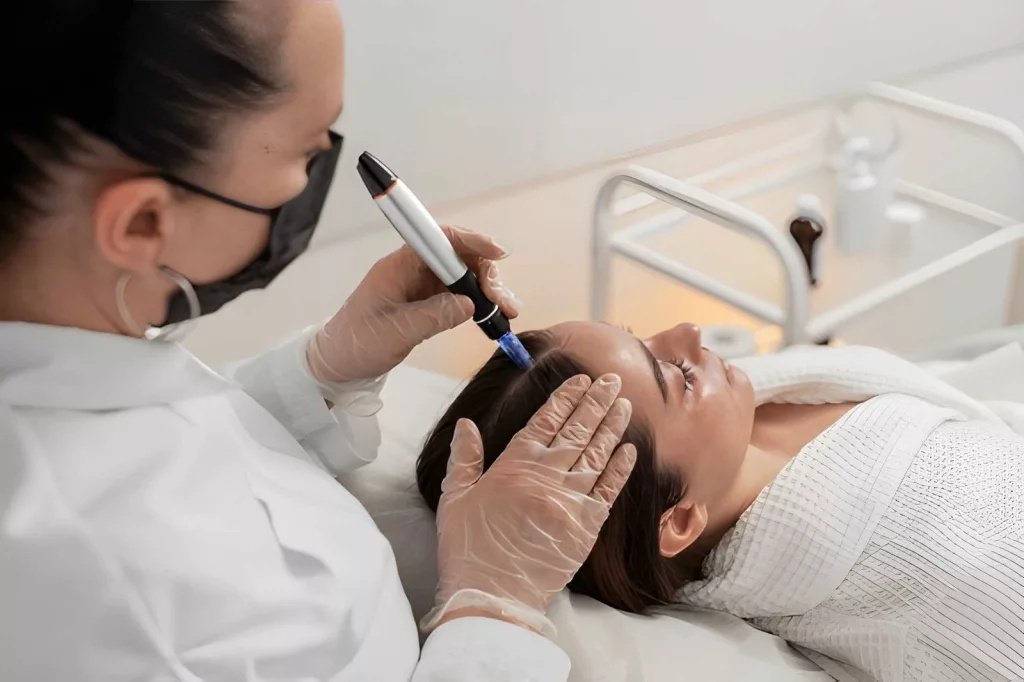
Exosome therapy promotes hair regeneration and improves scalp health
An alternative method is the exosome hair therapy. It attacks the cause of the problem at a cellular signaling level. With time, the hair follicles become inactive and small. Exosomes work to reactivate them. Preclinical evidence indicates that exosomes will provide nourishment to hair growth by promoting the activity of dermal papilla cells, hair follicle stem cells, and angiogenesis.
By applying exosomes in hair restoration, the regeneration of hair follicles can be induced by the direct delivery of growth factors to the scalp. These molecules stimulate angiogenesis, enhance cell communication, and stimulate inactive follicles to re-enter the anagen (growth) stage of the hair cycle.
A systematic review of clinical and preclinical studies evaluating exosome-based therapies for hair loss has reported encouraging early outcomes. The review included multiple human studies, most of which involved mesenchymal stem cell (MSC)-derived exosomes sourced from adipose tissue, placenta, bone marrow, and other tissues. Across these studies, improvements were observed in key hair parameters such as hair density, thickness, and overall growth response. Patient satisfaction was generally high, and no serious adverse events were reported. However, the evidence remains limited by small sample sizes, heterogeneity in study design, and lack of standardized treatment protocols. As a result, larger, well-designed clinical trials are still required before exosome therapy can be considered a standard treatment option for hair loss.[6]
Exosome Therapy in Skin Rejuvenation
Exosomes of skin, in addition to hair, are getting actual focus in both dermatology and cosmetic medicine. The skin requires repair all the time. Sunburns, aging, and inflammation cause collagen and cell activity to wear out. Exosomes can step in to help, although most current applications remain investigational or cosmetic rather than evidence-based medical treatments.[7]
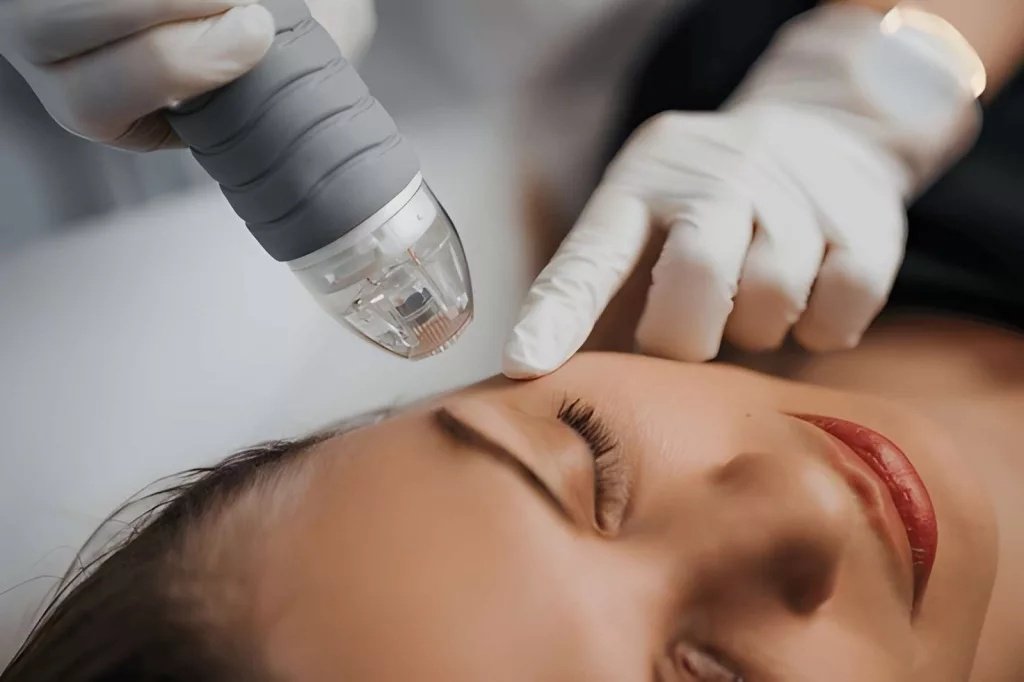
Exosome therapy used with microneedling to rejuvenate and repair facial skin
Exosomes produced by MSCs can activate the fibroblasts, which are the collagen-forming cells. They reduce inflammation. They speed up wound healing. Also, they help regulate pigmentation. All these make them attractive to aesthetic and medical skin uses.
In some clinics, there is now an option of topical or injectable exosome treatment of:
- Skin rejuvenation and anti-aging
- Post-procedure recovery (after laser treatments or microneedling)
- Hyperpigmentation and uneven skin tone
- Reduction of scar and wound healing.
One of the studies on rose stem cell-derived exosomes reported that it stimulated human dermal fibroblast growth, collagen production, and possessed anti-inflammatory effects by decreasing the levels of some inflammatory markers. These results are promising. However, once again, the majority of data remains preliminary.
Is Exosome Therapy FDA Approved?
This is among the most significant questions that one should ask, in case he/she considers such treatment. The answer is clear and firm.
As of 2026, no exosome-based product has been approved by the U.S. Food and Drug Administration (FDA) for any medical or cosmetic indication. The FDA categorizes exosome products in human beings as drugs and biological products. It means that they will have to undergo the entire approval process, including clinical trials. Nobody has gone through with that.[8]
It is not that exosome research is not progressing. There are hundreds of registered clinical trials in progress all over the world. Other therapies, such as CAP-1002, which is used to treat Duchenne muscular dystrophy, are in Phase III trials and are just about to be formally submitted for approval. But to be tried is not to be passed.
The regulatory phase is the result of the strict approval of biological products, rather than the absence of interest and potential in science.[9]
What Should Patients Do?
Questions about exosome therapy when not a part of a clinical trial in the United States should be asked. Enquire whether there is an active Investigational New Drug (IND) number. Ask to see the documentation. Never spend money on a product just because there is fancy-sounding language in a clinic. Such terms as FDA-registered or FDA-compliant cannot be equivalent to FDA-approved.[10] [11]
Risks and Safety Concerns
Exosomes occur naturally in the body. Theoretically, they are supposed to be well-tolerated. There have been so far good indications of a positive safety profile, particularly when compared to full stem cell injections. However, there are risks, especially when there is no regulation of the products.[12]
Unapproved exosome products are related to the following risks:
- Poor manufacturing practices result in contamination
- Infection, including bacterial bloodstream infections
- Allergic or immune reactions
- Unknown long-term effects
The FDA has sent several warnings to businesses that sell unapproved exosome products. As of October 2025, the US FDA had issued 12 warning letters regarding exosome products. Such violations involved using exosomes to market serious diseases without clinical evidence.
The safest path is to participate in a properly registered clinical trial or wait for full regulatory approval.
Clinical Trials and Future Potential of Exosomes
The pipeline is active and growing. Some of the firms have already taken actual steps.
CAP-1002 (Capricor Therapeutics), ExoFlo (Direct Biologics), AGLE-102 (Aegle Therapeutics), ILB-202 (ILIAS Biologics), and BRE-AD01 (Brexogen) are some of the exosome drugs currently in the pipeline many of which involve extracellular vesicle preparations rather than purified exosomes alone.[13]
ExoFlo is a product of human bone marrow mesenchymal stem cells and contains growth factors and extracellular vesicles, such as exosomes. Direct Biologics is in the process of executing the global phase III EXTINGUISH ARDS clinical trial to determine the efficacy of ExoFlo in the treatment of hospitalized adults with moderate to severe ARDS.
These are not small experiments. Phase III trials are those that use hundreds of patients, which are subject to strict standards. The outcome of these trials within the next several years will determine the future of exosome medicine to a great extent.
Why Exosome Therapy Matters: The Bigger Picture
Exosomes are already in use by your body every second of every day. Science is learning to apply what nature has already created. This is what makes this field so attractive. It does not mean subjecting the body to do what it does not do. It is a matter of enhancing and studying naturally occurring communication systems within the body.[14]
Its possible uses include nerve diseases, cancer, loss of hair, and healing of wounds. The exosome therapy is a growing industry in the biopharmaceutical sector due to the immense progress in the understanding of exosomes in intercellular communication and their therapeutic value.
Final Thoughts
Exosome therapy is one of the most promising aspects of modern medicine. It is based on several decades of studies in cell biology. It provides a potentially safer and more specific alternative to traditional administration of drugs and even stem cell therapy.
The science is truly encouraging to patients who experience a loss of hair, skin conditions, neurodegenerative diseases, or severe conditions such as muscular dystrophy. To physicians, this space is increasingly gaining importance as patients present themselves requesting to know about it.
But caution is necessary. At this point, none of the exosome products has approval by the FDA. Following the evidence-based medicine, consulting qualified healthcare providers, and keeping informed as the research evolves are the safest and most responsible ways. The body knows how to heal. Exosome therapy is the effort of science to assist it in doing it more efficiently.
References
[1] Lin, Y., Anderson, J. D., Rahnama, L. M. A., Gu, S. V., & Knowlton, A. A. (2020). Exosomes in disease and regeneration: biological functions, diagnostics, and beneficial effects.American Journal of Physiology – Heart and Circulatory Physiology, 319(6), H1162–H1180.
[2] Zhang, K., & Cheng, K. (2023). Stem cell-derived exosome versus stem cell therapy.Nature Reviews Bioengineering, 1, 608–609. https://doi.org/10.1038/s44222-023-00064-2
[3] Van Delen, M., Derdelinckx, J., Wouters, K., Nelissen, I., & Cools, N. (2024). A systematic review and meta-analysis of clinical trials assessing safety and efficacy of human extracellular vesicle-based therapy.Journal of Extracellular Vesicles, 13, e12458.
[4] Rahnama, M., Heidari, M., Poursalehi, Z., & Golchin, A. (2024). Global trends of exosomes application in clinical trials: a scoping review.Stem Cell Reviews and Reports, 20(8), 2165–2193. https://doi.org/10.1007/s12015-024-10791-7
[5] Ersan, I., Simsek, T., & Ozturk, N. (2025). Effectiveness of exosome treatment in androgenetic alopecia: outcomes of a prospective study.Aesthetic Plastic Surgery, 49(1), 43–58. https://doi.org/10.1007/s00266-024-04332-3
[6] Gupta AK, Wang T, Rapaport JA. Systematic review of exosome-based therapies in hair restoration: current evidence, safety profile, and future directions. J Cosmet Dermatol. 2023;22(9):2424-2433. doi:10.1111/jocd.15869.
[7] Majewska, A., Wierzbicka, J., & Piotrowska, A. (2025). Efficacy of rose stem cell-derived exosomes (RSCEs) in skin treatment: from healing to hyperpigmentation management.Journal of Cosmetic Dermatology, 24, e16776.
[8] U.S. Food and Drug Administration. (2024).Consumer alert on regenerative medicine products including stem cells and exosomes. https://www.fda.gov/vaccines-blood-biologics/consumers-biologics/consumer-alert-regenerative-medicine-products-including-stem-cells-and-exosomes
[9] Centers for Disease Control and Prevention (CDC). Stem cell and exosome products: what patients need to know. Atlanta (GA): CDC; 2019 [cited 2026 Apr 12]. Available from: https://archive.cdc.gov/www_cdc_gov/hai/outbreaks/stem-cell-products.html
[10] Ash, M., Zibitt, M., Shauly, O., Menon, A., Losken, A., & Gould, D. (2024). The innovative and evolving landscape of topical exosome and peptide therapies: a systematic review of the available literature.Aesthetic Surgery Journal Open Forum, 6, ojae017. https://doi.org/10.1093/asjof/ojae017
[11] U.S. Food and Drug Administration (FDA). Investigational New Drug (IND) application. Silver Spring (MD): FDA; 2023 [cited 2026 Apr 12]. Available from: https://www.fda.gov/drugs/types-applications/investigational-new-drug-ind-application
[12] Van Delen, M., Derdelinckx, J., Wouters, K., Nelissen, I., & Cools, N. (2024). A systematic review and meta-analysis of clinical trials assessing safety and efficacy of human extracellular vesicle-based therapy.Journal of Extracellular Vesicles, 13, e12458. https://doi.org/10.1002/jev2.12458
[13] Sengupta, V., Sengupta, S., Lazo, A., et al. (2020). Exosomes derived from bone marrow mesenchymal stem cells as a treatment for severe COVID-19.Stem Cells and Development, 29(12), 747–754. https://doi.org/10.1089/scd.2020.0080
[14] Liang, Y., Duan, L., Lu, J., & Xia, J. (2021). Engineering exosomes for targeted drug delivery.Theranostics, 11(7), 3183–3195. https://doi.org/10.7150/thno.52570