

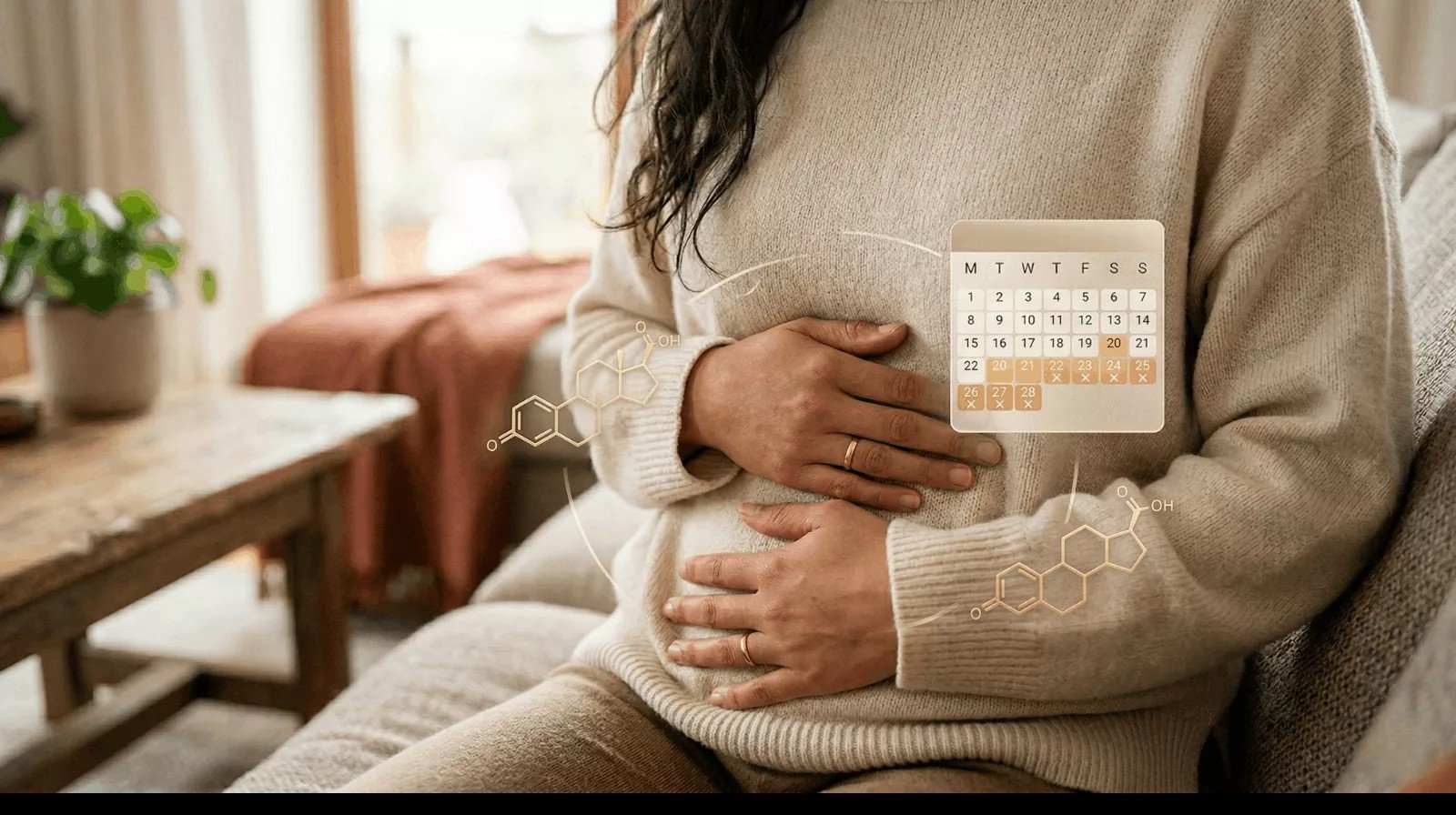
genital itching period Vaginal or vulval itching a few days before a period is extremely common, but most women don’t know that it has a name or a cause. Conditions like these are almost never discussed openly, not even within families, which means women either panic, assume it’s an infection and self-medicate, or just endure it. The proper medical term is cyclic vulvovaginitis, an umbrella term.
The fact is, this itch is often driven or influenced by hormonal fluctuations. Oestrogen and progesterone, both of which naturally drop during the luteal phase, drive the itch. It can sometimes signal something that needs treating, though. But how do you make that distinction? The question to ask is: Is the itch happening every cycle at the same point, or is it new and unpredictable?
What is Cyclic Vulvovaginitis?: genital itching period
We can define cyclic vulvovaginitis as recurrent vulvovaginal symptoms that follow the menstrual cycle, peaking in the premenstrual phase (typically 20-28 days of a 28-day cycle). The usual symptoms are:
- Itching, burning, and rawness in the vagina
- Sometimes swelling of the vulva
- Not necessarily discharge
This condition affects women of reproductive age and is also seen in perimenopause when hormonal fluctuations are more extreme.
The pattern is the biggest diagnostic clue; you’ll see the same symptoms during the same window of your cycle, every month. This is clearly distinct from an on-off infection, though infections can also flare up cyclically, which can be confusing. Because it often gets misdiagnosed as vaginal thrush, many women are repeatedly prescribed anti-fungals.
Why Does the Vagina Itch Before A Period?
The vaginal itch before menses is purely hormonal. The menstrual cycle, which is a 28-day cycle, has two phases:
- The follicular phase (day 1-14)
- And the luteal phase (day 14-28)
The follicular phase is when the ovum is developing under the influence of oestrogen, which is then released into the fallopian tubes on the 14th day (ovulation). Following this, in the luteal phase, both oestrogen and progesterone drop sharply before menstruation if no pregnancy occurs.
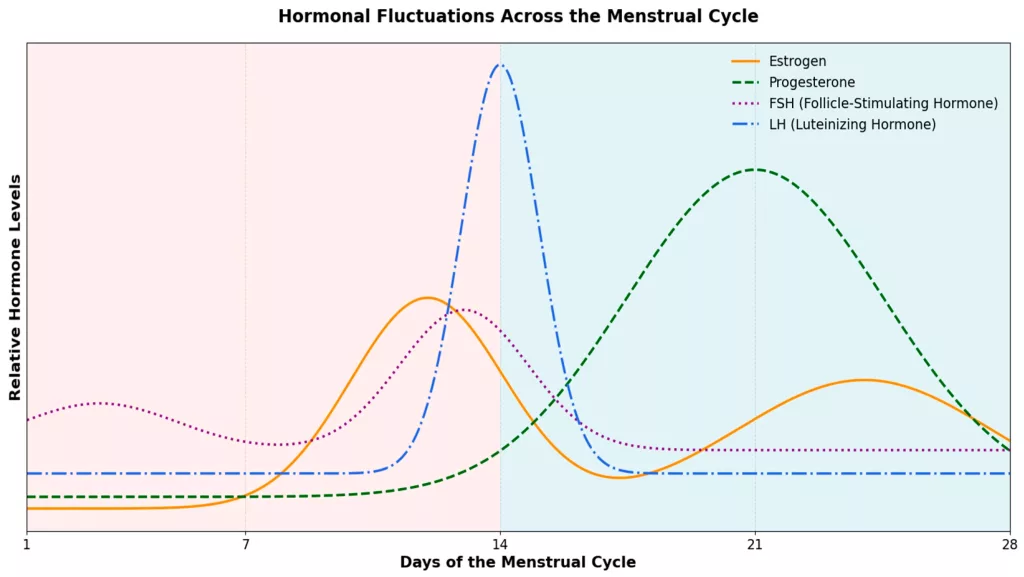
Hormonal Dynamics and the Luteal Phase Drop: While FSH and LH drive ovulation, the premenstrual itch is dictated by estrogen and progesterone. Note the sharp decline in both hormones during the late luteal phase (Days 20-28). This drop reduces vaginal moisture and acidity, disrupting the microbiome and thinning the protective epithelium, which leads to the characteristic symptoms of cyclic vulvovaginitis. (Image Courtesy: Ghniem, S., Dawson, E. A., & Tryfonos, A. (2025). Does the Menstrual Phase Matter in Vascular Endothelial Responses to Acute Exercise? A Narrative Review of the Literature. Sports, 13(7), 210. Available fromMDPIand licensed under CC by 4.0)
This drop in hormones affects the vaginal mucosa because oestrogen maintains thickness, moisture, and the acidic pH (normally 3.9-4.5) of the vaginal environment. When oestrogen drops, the vaginal epithelium (lining) becomes temporarily thinner, drier, and less acidic. This disrupts the normal microbiome of the vagina, mainly lactobacillus, eventually giving rise to a cause of vulvovaginal itchiness.
Not just the inner lining, but the vulvar skin also responds to these hormonal changes. You might notice it becoming drier and more reactive to scented menstrual products and friction.
Common Causes of Genital Itching Before Period
- Hormonal fluctuation is the most common; in this case, itching happens in the absence of infection
- Candida albicans may flare premenstrually due to changes in the vaginal environment and immune response, although it is more strongly associated with higher oestrogen states rather than low oestrogen alone.It presents as a classic premenstrual flare, with intense itch and burning. There is a characteristic thick white discharge, but no odour or mild yeasty odour sometimes.
- Because of the microbiome disruption, bacterial vaginosis might result, i.e., overgrowth of anaerobic bacteria. It has a thin grey/white discharge with a fishy odour, along with itching and burning.
- Genital itching might also simply be a reaction to sanitary products, pantyliners, underwear, soap, or lubricants; we call this contact dermatitis. You might observe a cyclic pattern here as well if the person uses these products only around their period.
- Lichen simplex chronicus / lichen sclerosus are chronic vulvar skin conditions that can worsen before menses due to hormonal fluctuations
- Some women have progesterone hypersensitivity, meaning that the immune-mediated skin response to progesterone itself causes itchiness, urticaria, or eczema-like reaction. The symptoms are timed precisely to the luteal phase, improving on suppressing ovulation. This is called autoimmune progesterone dermatitis and is very rare.
- Herpes simplex virus (HSV) can also present as recurrent premenstrual itching and sores.
- Trichomoniasis is less likely to be cyclically patterned, but it is worth ruling out in sexually active women with newly developed symptoms.
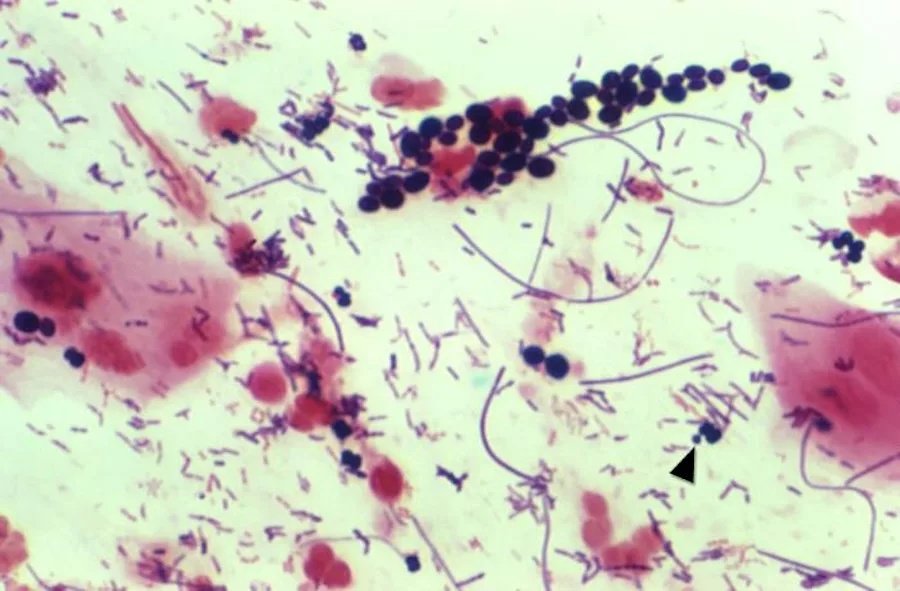
Microscopic Diagnosis of Vulvovaginal Candidiasis (VVC): A Gram-stained specimen showing an overgrowth ofCandida albicans. The darkly stained, oval structures are yeast cells, including one captured in the process of “budding”. While some protective rod-shaped bacilli remain, the fungal dominance leads to intense premenstrual itching, burning, and thick white discharge. (Image available fromCDC PHIL, licensed under the public domain)
Itching During Ovulation
Like with itching during the luteal phase, itching during ovulation is also mostly hormonal. Oestrogen peaks sharply just before ovulation, and this is meant to be protective. However, some women do experience vulvar sensitivity or mild itching during ovulation. Some also see discharge; clear, stretchy, egg-white cervical mucus. When this discharge comes in contact with the vulvar skin, it can cause irritation if the skin is sensitive.
In some women with autoimmune progesterone dermatitis, skin might react to the rise in progesterone during ovulation, so it might be a reason for itching during ovulation. A mid-cycle itch that is accompanied by an unusual discharge, odor, or pain needs to be assessed. Ovulation discharge doesn’t have an odour and is not irritating in most women.
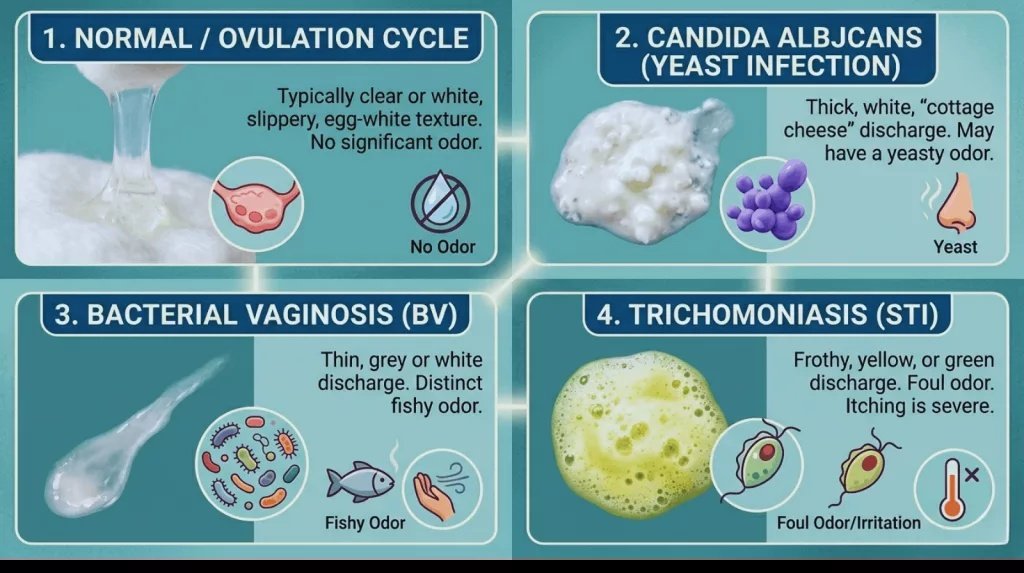
A Diagnostic Guide to Vaginal Discharge: While premenstrual itching is often purely hormonal (Cyclic Vulvovaginitis), the nature of your vaginal discharge is a critical clue. This infographic shows the typical appearance of common conditions. If you notice a new fishy/foul odor, or if the color is green/yellow, this indicates an infection that needs to be assessed by a gynecologist, not self-treated with over-the-counter anti-fungals.
Itching vs Burning in the Vaginal Area
In cyclic vulvovaginitis, itching and burning often coexist. If a woman experiences more burning than itching, it suggests a more serious condition. It could be an active infection, contact irritation, atrophic vaginitis, or vulvodynia. Vulvodynia is chronic vulvar pain or burning without an identifiable cause. It can have a cyclical component, so it can get confused with thrush, but it does not respond to antifungals.
Burning with urination (dysuria), of course, needs assessment to rule out UTIs or herpes. Similarly, burning sensation after sex (post-coital burning) suggests mucosal fragility, lack of lubrication, infection, or contact sensitivity. The most alarming condition is a combination of burning, abnormal discharge, and odour; most likely an infection.
Is Vaginal Itching a Sign of Pregnancy?
This is one of the popular myths made part of the culture back when there wasn’t enough information available, but vaginal itching alone is not a reliable sign of pregnancy at all, nor is it specific to it. That said, early pregnancy does cause hormonal changes (rising hCG and progesterone), which can alter the microbiome. This can occasionally cause itching or increased discharge, so symptoms might overlap with premenstrual symptoms.
This increased discharge (leukorrhea) can also irritate vulvar skin, which can then cause more itching and redness. Could this itching theoretically be early pregnancy? Maybe, but it cannot be distinguished from premenstrual itching on symptoms alone. A pregnancy test is a better confirmation of pregnancy than trying to read symptoms.
Later in pregnancy, some women experience obstetric cholestasis, which causes intense itching, particularly in the palms and soles, but this is a separate and serious condition that needs medical attention.
Diagnosis of Genital Itching
Diagnosis of cyclical vulvovaginitis is partly clinical, based on a careful, thorough review of cycle timing, patterns, symptoms, and sexual history. Other than a full history, diagnostic measures to rule out more serious conditions are:
- High vaginal swab for Candida or bacterial vaginosis
- Vulvovaginal pH testing also helps distinguish Candida (pH normal, 3.8-4.5) from BV (pH>4.5) and trichomoniasis (pH>5)
- STI screening is indicated for gonorrhea, herpes, and chlamydia
- Patch testing for contact dermatitis
- A vulvar biopsy might be needed if there are skin changes (whitening, thickening, ulceration) and a condition like lichen sclerosus is suspected
- Hormone levels should be checked if autoimmune progesterone dermatitis is suspected
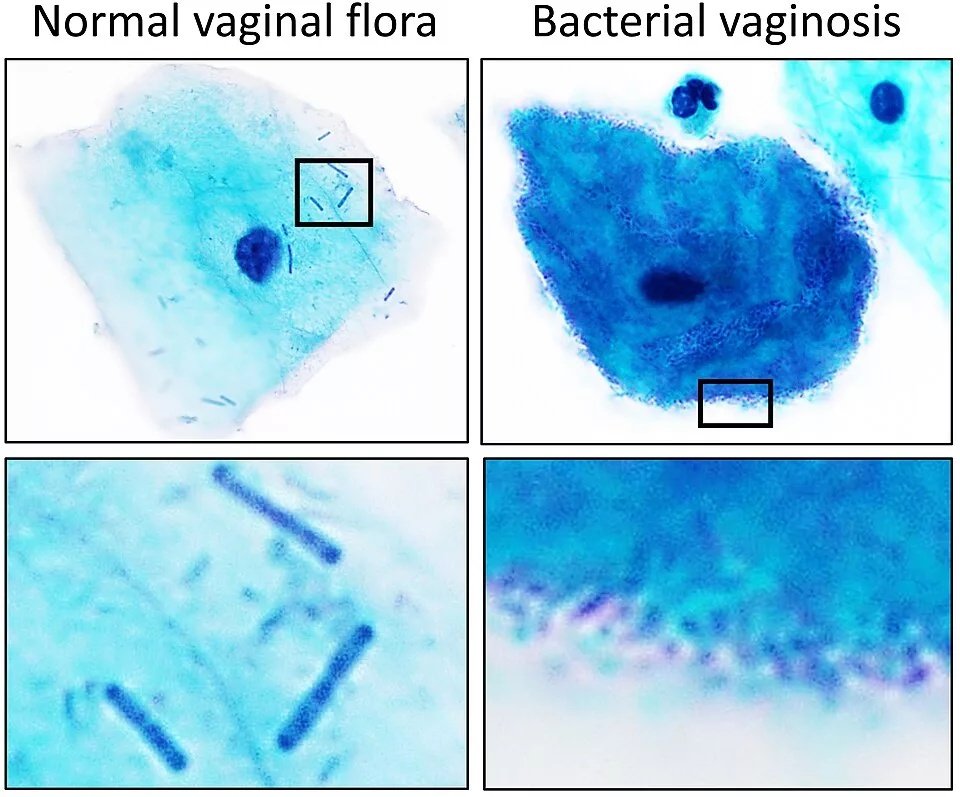
Microscopic View of the Vaginal Environment:(Left):Healthy vaginal flora dominated by rod-shapedLactobacilli, which maintain the acidic pH (3.9–4.5) necessary to prevent itching.(Right):Bacterial Vaginosis (BV) showing a clue cell overwhelmed by a diverse overgrowth of anaerobic bacteria. As estrogen drops premenstrually, the loss of Lactobacilli can trigger this shift, leading to the gray discharge and fishy odor. (Image Courtesy: Mikael Häggström, M.D. viaWikipedia Commonsand licensed under the Public Domain)
When You Should Go See a Doctor
It’s important to know when the condition has moved from being mild enough for self-management, and when it has become something you need a proper medical consultation for. There are certain signs that should alert you to book a doctor’s appointment.
- Symptoms are appearing for the first time
- You notice abnormal discharge
- Sores, ulcers, or other visible changes on the vulvar skin
- Itching doesn’t resolve after the cycle ends
- Burning during urination or after sex
Treatment and Management
If the cause is diagnosed to be purely hormonal, without any infection, doctors prescribe low-oestrogen vaginal moisturisers, which are usually hyaluronic acid-based. These have to be used regularly through the luteal phase. Patients are advised to avoid irritants in the premenstrual window, and if the dryness is significant, sometimes low-dose oestrogen might be given.
For other causes, the treatment choice will be targeted:
- Candida: Antifungal drugs, oral (fluconazole) or pessary/cream. Lactobacillus supplementation has emerging evidence
- Bacterial Vaginosis: Metronidazole (oral or vaginal gel), boric acid suppositories
- Contact dermatitis: Identify and remove the trigger, unperfumed pH-balanced wash, and fragrance-free products
- For autoimmune progesterone dermatitis hormonal suppression (combined oral contraceptive pill), antihistamines for temporary relief
- For Vulvodynia, a multidisciplinary approach with topical lidocaine, amitriptyline, pelvic floor physiotherapy, psychosexual support
- HSV: Antivirals (aciclovir) for flare-ups, suppressive therapy for recurrences
Self-Care and Prevention
An itchy vagina or genital area is simply hormonal in most cases. If the itching is mild and you experience it every month before menses, not associated with other symptoms or a discharge, simple self-care measures might be enough. It’s helpful to track symptoms on a period tracking app, as it gives you a better presentation of the pattern and also helps clinicians with diagnosis. Do not self-treat repeatedly with over-the-counter antifungals if symptoms keep returning; go to a gynecologist to get your swabs done. To prevent the symptoms, some tips are as follows:
- Use plain water or a soap-free, pH-balanced vulvar wash, and remember, the vagina is self-cleaning; it doesn’t need any outside chemicals.
- Avoid scented wipes, bubble baths, scented pads/tampons, etc. Even fabric softener on underwear may cause genital irritation.
- Cotton underwear is always better for hygiene: it’s breathable, and reduces moisture
- Vaginal moisturizers used 2-3x weekly can reduce premenstrual dryness and itching
- There is evidence that probiotics can help maintain the vaginal microbiome, though this is more significant in preventing Candida and BV than in purely hormonal itch
Final Takeaway
Premenstrual vaginal itching is common, usually hormonal and manageable, with no long-term consequences, but it should not be dismissed or endured in silence. There is no need to be embarrassed about it. Do not repeatedly use OTC antifungal creams for self-treatment without a clear diagnosis. This is one of the most common gynecological complaints, and GPSs and gynaecologists see it routinely. The diagnostic clue is the pattern; if it happens every cycle at the same time, it is likely cyclic vulvovaginitis. But if the symptoms are new, severe, or accompanied by other changes, book an appointment immediately.
References
[1] Mesen, T. B., & Young, S. L. (2015). Progesterone and the luteal phase: a requisite to reproduction. Obstetrics and gynecology clinics of North America, 42(1), 135–151.
[2] Dennerstein GJ, Ellis DH. Oestrogen, glycogen and vaginal candidiasis.Aust N Z J Obstet Gynaecol.2001;41(3):326–328.
[3] Reed BD, Gorenflo DW, Gillespie BW, Pierson CL, Zazove P. Sexual behaviors and other risk factors for Candida vulvovaginitis.J Womens Health (Larchmt).2003;12(10):979–989.
[4] Huang Y, Ye S, Bao X, Yang R and Huang J (2022) Whole course of treatment of autoimmune progesterone dermatitis that had spontaneously resolved during pregnancy: A case report and review of the literature. Front. Immunol. 13:939083.
[5] Pillarisetty LS, Sharma A. Pregnancy Intrahepatic Cholestasis. [Updated 2023 Jun 4]. In: StatPearls [Internet]. Treasure Island (FL): StatPearls Publishing; 2026 Jan-.
[6] Schlaeger, J. M., Glayzer, J. E., Villegas-Downs, M., Li, H., Glayzer, E. J., He, Y., Takayama, M., Yajima, H., Takakura, N., Kobak, W. H., & McFarlin, B. L. (2023). Evaluation and Treatment of Vulvodynia: State of the Science. Journal of midwifery & women’s health, 68(1), 9–34.
[7] Chen, Y., Bruning, E., Rubino, J., & Eder, S. E. (2017). Role of female intimate hygiene in vulvovaginal health: Global hygiene practices and product usage. Women’s health (London, England), 13(3), 58–67.
[8] Zahedifard, T., Khadivzadeh, T., & Rakhshkhorshid, M. (2023). The Role of Probiotics in the Treatment of Vulvovaginal Candidiasis: A Systematic Review and Meta-Analysis. Ethiopian journal of health sciences, 33(5), 881–890.