

Insulin Resistance Hormonal Insulin resistance can make losing weight tricky. When your cells don’t respond properly to insulin, your body struggles to use glucose for energy, which can lead to fat storage and slow down weight loss. Understanding this connection is the first step to getting your metabolism back on track.
Glucose is the fuel for our systems; its intake, consumption, and excretion need to be meticulously monitored. Insulin works by acting on cells involved in the uptake, usage, and metabolism of glucose. However, due to a myriad of reasons, the cells in our bodies fail to respond to insulin, which leads to insulin resistance. As of 2025, approximately 26.5% of the global population had some degree of insulin resistance. However, due to the lack of a standardized diagnostic definition, an exact global prevalence figure is not established. This article details the risk factors for the condition and explores the relationship between the reversal of insulin resistance and weight loss.
What is Insulin Resistance?: Insulin Resistance Hormonal
Failure of the body’s cells, tissues, and organs to respond to the effects of insulin is described as insulin resistance. Despite having adequate amounts of insulin, the muscles, fat tissue, and the liver don’t take up glucose from the bloodstream. This leads to inefficient glucose metabolism. In its early stages, insulin resistance is often asymptomatic. As the condition progresses and blood glucose levels begin to rise, individuals may develop symptoms related to hyperglycemia rather than insulin resistance itself. These may include fatigue, increased thirst, and frequent urination.
Since the glucose in the blood continues to elevate, the organ responsible for producing insulin goes into overdrive. Long-term derangement in this feedback loop and overstimulation of insulin secretion can eventually lead to beta-cell dysfunction, which is responsible for the development of chronic metabolic diseases such as Type 2 Diabetes and an increased risk of cardiovascular disease.
Insulin Resistance and Weight Gain
Insulin resistance plays a direct role in weight gain by altering how the body stores and uses energy. When cells fail to respond properly to insulin, glucose is preferentially converted into fat rather than being used for energy, particularly in the abdominal region. At the same time, high circulating insulin levels suppress fat breakdown and increase hunger, making weight gain more likely even without excessive calorie intake. Over time, this creates a self-perpetuating cycle in which weight gain further worsens insulin resistance. However, insulin resistance can also occur in people who are not overweight. Genetic factors, low physical activity, and fat accumulation in organs such as the liver and muscles can impair insulin action even when body weight appears normal.

Visual representation of how insulin resistance disrupts normal glucose use and promotes fat accumulation and fatigue.
Insulin Resistance and PCOS
Insulin resistance is a common feature in women with PCOS. When cells don’t respond well to insulin, the body produces more, which can increase androgen levels, disrupt menstrual cycles, and contribute to weight gain. Managing insulin resistance through diet, physical activity, and medical guidance can help improve PCOS symptoms and support metabolic health.
How to Test for Insulin Resistance?
For people who undergo routine lab testing, an elevation in their HbA1c or other glycemic parameters may raise suspicion of underlying insulin resistance, although they do not directly diagnose it. Others might notice that these investigations continuously show that they are in the prediabetic zone. An additional test that might be useful here is a lipid profile. Usually, high titers of bad cholesterol (LDL, VLDL, and triglycerides) and low levels of good cholesterol (HDL) are predictive of insulin resistance or the risk of developing insulin resistance, although they are not diagnostic on their own.
Hence, fasting plasma glucose, HbA1c, and lipid profile are commonly used initial investigations that help identify individuals at risk for insulin resistance, rather than confirming the diagnosis itself. Direct measurement of insulin resistance (e.g., fasting insulin levels or HOMA-IR) is generally reserved for research settings or selected clinical cases.
Some other tell-tale signs that point towards a greater propensity to insulin resistance are:
Higher Blood Pressure Readings
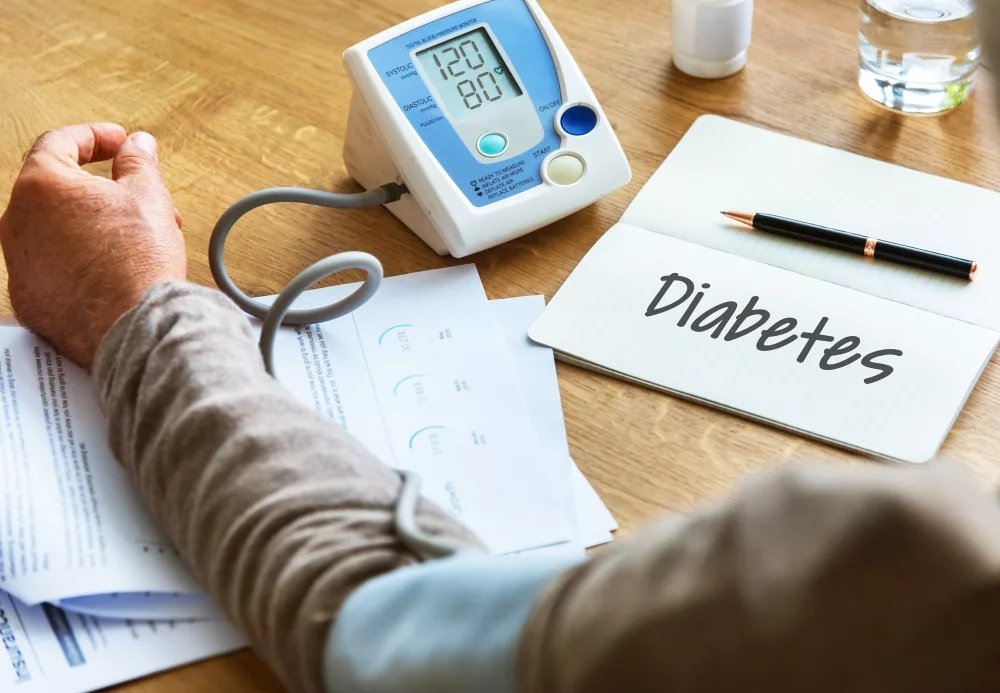
Patient checking blood pressure while being concerned about diabetes (Image Credit:Freepik)
Having spikes of high blood pressure (BP) without a previous history might be one of the earliest signs of insulin resistance. If the sphygmomanometer readings are 130/80 or higher, it may be a good idea to get tests for insulin resistance.
Expanding Waistline

A woman suffering from insulin resistance checks her waist. (Image Credit:Freepik)
Having a high BMI and an increasing waistline should alarm you about your insulin sensitivity. Especially if you have been less careful about your dietary patterns and don’t have an exercise schedule, your body may exhibit some degree of insulin resistance. Central (visceral) obesity is more strongly associated with insulin resistance than overall body weight. A waist measuring more than 40 inches in males, and more than 35 inches in females, is one of the many steps to being prone to insulin resistance. Since most overweight and obese people have a greater tendency for fat storage around the major organs, their body continues to lose insulin sensitivity due to this fat deposition.
Abnormal Blood Sugar Readings
Elevated random blood sugar (RBS) is often a telltale sign of the body’s inability to metabolize glucose efficiently. A fasting plasma glucose level of 100–125 mg/dL is classified as impaired fasting glucose (prediabetes), while a 2-hour postprandial glucose level of 140–199 mg/dL indicates impaired glucose tolerance. Random blood sugar measurements are not used to define prediabetes but may indicate a need for evaluation.
Skin Lesions
The appearance of previously absent dark patches on the skin and an increased development of skin tags may point towards a possible insulin resistance in the body. Most of these dark patches appear on the nape of the neck, the armpits, and in the genital area.
How To Treat Insulin Resistance?
Before opting for medications for insulin resistance and other types of pharmacological interventions, it is best to start with lifestyle changes that aim for weight loss and lowering the risk factors for developing insulin resistance, such as high blood pressure and increased blood cholesterol.
How To Lose Weight with Insulin Resistance?

Making healthy life choices to lesseninsulin resistance and promote weight loss.(Image Credit:Freepik)
Nutrition
“You are what you eat” is totally applicable to the science of preventing and reducing insulin resistance. Highly processed food with higher glucose content leads to more frequent “insulin spikes”. Quick fixes like bread, processed sugary items, and soft drinks actually lead to more snacking, initiating a vicious cycle of glucose intake, inefficient insulin release, and function..
A diet low in refined carbohydrates, high in protein, fiber, and good fats is the foremost prerequisite for improving the body’s sensitivity to insulin.
This approach works in two ways:
Less Glucose Intake
Various studies have shown a direct relationship between insulin resistance and weight loss. Preferring foods with a low glycemic index ensures that the body has fewer glucose stores, which allows the insulin reserves to catch up and act more effectively. Examples of such foods include lentils, beans, and oats. The overall effect includes fewer insulin spikes and more efficient glucose metabolism.
Weight Loss
A high-protein, high-fiber, and low-carb diet is the perfect diet for insulin resistance. Losing only 5-10% of body weight can enhance insulin sensitivity and repair glucose metabolism in patients with insulin resistance.
Physical Activity
Aiming for 30-45 minutes of simple brisk walking 5 days a week can drastically improve insulin sensitivity. Aerobic and resistance training increase muscle mass, which in turn can lead to more efficient glucose transport and metabolism. More muscle naturally means that insulin has more cells to target. Strength training has proven to reduce insulin resistance within a matter of weeks. This is particularly effective if you have long sitting hours due to work or family commitments; simply moving more can do wonders for your body! For this reason, the American College of Sports Medicine recommends at least 150 minutes of physical activity a week to reduce the risk of developing insulin resistance.
Insulin Resistance Medication
For individuals who do not respond to diet for insulin resistance, the use of insulin resistance medication may become necessary. This is especially applicable if you are inevitably progressing to Type 2 Diabetes.
A man is taking medications for insulin resistance. (Image Credit: Freepik)
Metformin and Insulin Resistance
Metformin is the first-line drug for inhibiting the progression of insulin resistance to full-blown type 2 diabetes. It works by signaling the liver to stop producing its own glucose while enhancing the uptake of insulin by cells. Metformin improves glucose uptake by the body’s largest muscles. Due to its effects on skeletal muscle, metformin is prescribed specifically to patients who are committed to increasing their physical activity. Research shows that metformin, combined with lifestyle modification, reduces the risk of Type 2 diabetes in insulin-resistant patients by a whopping 31%.
Glp-1 Receptor Agonists

A patient administering an injectable GLP-1 drug. (Image Credit:Freepik)
This class of drugs is best considered as an adjunctive therapy and second-line medication for insulin resistance. One of the brand names for these medications, Ozempic, was searched 194.4 million times in 2025 alone. Celebrities like Oprah Winfrey, Meghan Trainor, and other stars took to their Instagram to showcase the direct effect of the drug on their health. However, it should be remembered that GLP-1 drugs do not directly enhance insulin sensitivity at the cellular level. Instead, they exert their benefits indirectly by promoting weight loss, reducing appetite, slowing gastric emptying, and improving glycemic control, thereby addressing key contributors to insulin resistance.
FAQs
- How do I lose weight if I’m insulin-resistant?
Avoiding processed meals and refined carbohydrates and opting for whole foods can alleviate insulin resistance and promote weight loss. When combined with physical activity, you can lose weight sustainably. - Can insulin resistance be reversed?
Yes. Lifestyle modifications and medications can reset the body’s equilibrium, allowing for optimal insulin sensitivity. - How can I control insulin to lose weight?
Adequate sleep, stress control, a healthy diet, and moderate physical activity synergistically work to increase insulin effectiveness on the target cells. This leads to efficient use of the body’s glucose and can lead to weight loss. - Can slim people also have insulin resistance?Insulin resistance is measured by the levels of glucose in the blood and not by weight. Lean people can have insulin resistance due to a lack of their cellular insulin response.
Conclusion
If you or your loved ones have some degree of insulin resistance, it is best to seek the help of a doctor and start by making positive lifestyle changes to address the challenge. A healthy diet, moderate to high physical activity, and maintaining an ideal weight can not only reverse insulin resistance but also prevent it.
References
[1] Ballena-Caicedo J, Zuzunaga-Montoya FE, Loayza-Castro JA, Carlos Bustamante-Rodríguez J, Vásquez Romero LE, Tapia-Limonchi R, Gutierrez De Carrillo CI, Vera-Ponce VJ. Global prevalence of insulin resistance in the adult population: a systematic review and meta-analysis. Frontiers in Endocrinology. 2025 Aug 22;16:1646258.
[2] Page KA, Roberts SB, Gower BA, et al.Insulin translates unfavourable lifestyle into obesity. BMC Med. 2018;16:232. doi:10.1186/s12916-018-1225-1.
[3] Yki-Järvinen H. Fat in the liver and insulin resistance.Ann Med. 2005;37(5):347-356. doi:10.1080/07853890510007348.
[4] Dunaif A. Insulin resistance and the polycystic ovary syndrome: mechanism and implications for pathogenesis.Endocr Rev.1997;18(6):774‑800. doi:10.1210/edrv.18.6.0318
[5] Te Morenga, L., Docherty, P., Williams, S., & Mann, J. (2017). The Effect of a Diet Moderately High in Protein and Fiber on Insulin Sensitivity Measured Using the Dynamic Insulin Sensitivity and Secretion Test (DISST). Nutrients, 9(12), 1291. https://doi.org/10.3390/nu9121291
[6] Jenkins, D. J. A., Axelsen, M., Kendall, C. W. C., Augustin, L. S. A., Vuksan, V., & Smith, U. (2000). Dietary fibre, lente carbohydrates and the insulin-resistant diseases. British Journal of Nutrition, 83(S1), S157–S163. doi:10.1017/S0007114500001100
[7] Z., Nan, F., Wang, L. Y., Jiang, H., Chen, W., & Jiang, Y., 2020). Effects of high-protein diet on glycemic control, insulin resistance and blood pressure in type 2 diabetes: A systematic review and meta-analysis of randomized controlled trials. Clinical nutrition (Edinburgh, Scotland), 39(6), 1724–1734. https://doi.org/10.1016/j.clnu.2019.08.008.
[8] Bianco, V., Ferreira, G. d. S., Bochi, A. P. G., et al. (2024). Aerobic exercise training protects against insulin resistance. International Journal of Molecular Sciences, 25(18), 10179. https://doi.org/10.3390/ijms251810179
[9] Ballena-Caicedo, J., Valladolid-Sandoval, L. A. M., Zuzunaga-Montoya, F. E., & Vera-Ponce, V. J.(2026). Progression to type 2 diabetes mellitus after gestational diabetes: An umbrella review of 15 systematic reviews and assessment of causal frameworks. Endocrine and Metabolic Science, 20, 100285. https://doi.org/10.1016/j.endmts.2025.100285