
 is a rare but severe zoonotic disease caused by the Nipah virus, belonging to the...)
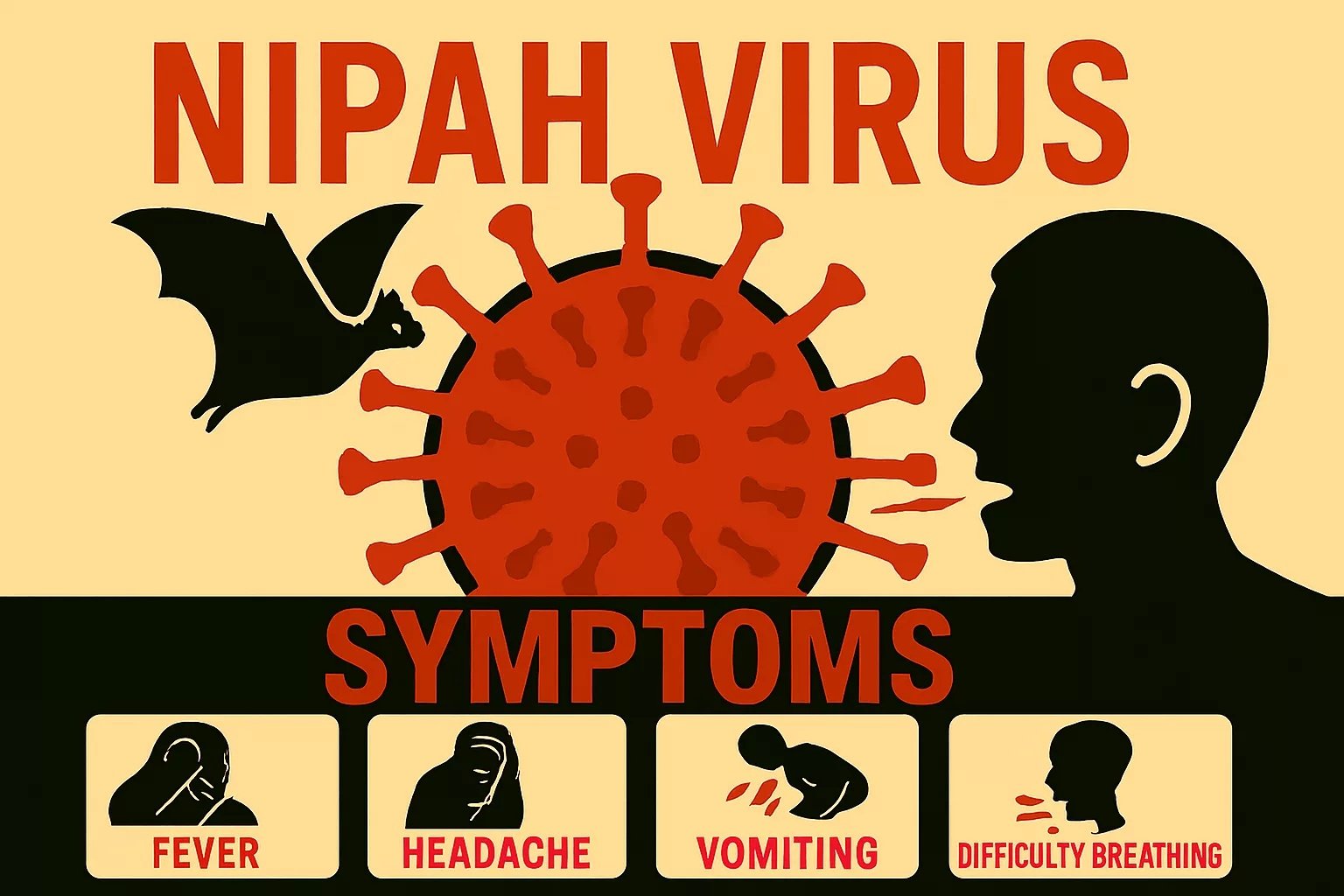
Nipah Virus Outbreak Nipah virus infection (NiV) is a rare but severe zoonotic disease caused by the Nipah virus, belonging to the Paramyxoviridae family and the Henipavirus genus, closely related to the Hendra virus. Zoonotic infections spread primarily from animals to humans. Fruit bats of the Pteropodidae family (genus Pteropus) act as the natural reservoir of the virus, from which it gets transmitted to other animals and humans. Generally, the viral infection causes nausea, diarrhea, fever, and breathing issues. However, a serious complication of the disease is acute encephalitis (brain inflammation) that potentially leads to coma and death. There is currently no licensed antiviral treatment or widely available vaccine for Nipah virus infection. Moreover, it has a high mortality rate. Therefore, early diagnosis and supportive care are the only ways to prevent morbidities and mortalities.
Nipah Virus Outbreak
The disease has caused multiple outbreaks in South and Southeast Asia and is known to cause grave consequences. The initial Nipah virus outbreak was seen in pig farmers of Malaysia in 1998. In the consequent years (199-2003), there were outbreaks in Singapore, Bangladesh, and India as well. The current outbreak of Nipah virus infection (in 2026) in India has raised serious concerns in the medical world. In January 2026, the World Health Organization (WHO) reported two laboratory-confirmed cases of Nipah virus infection in West Bengal, India.[1]
Emerging trends show that the 2018 outbreak of the Nipah virus in Kerala, India, caused 17 deaths.[2] What’s alarming is the fact that the mortality rate of the infection has only risen over the years! The global mortality rate of the infection for the years 2003-2014 was 54.1% that climbed to 80.1% for the years 2014-2023. The current outbreak in India is reporting a disturbing 89.3-91.7% mortality rate.[3]
Nipah Virus Symptoms
In several cases, the infection may remain asymptomatic or mildly symptomatic. However, when present, symptoms usually arise after an incubation period of 3-14 days. This means that symptoms first appear three to fourteen days after acquiring the virus. In some cases, symptoms may develop up to 45 days after exposure to the pathogen. However, in a small fraction of patients, the virus becomes dormant (stays in the body but doesn’t cause disease) and shows symptoms several months to years after exposure. Nipah virus infection symptoms can range from asymptomatic to life-threatening. The most commonly encountered symptoms include:
Fever And Chills
Like all infectious conditions, entry of this zoonotic pathogen into the human body is marked by fever. Patients may also experience chills. It was noted in a study that nearly all patients (99%) reported fever, while neurological symptoms were seen in about 70% of the patients.[4] So, fever is almost always present. In the vast majority of cases, there is a high-grade fever accompanied by muscle aches and headaches.
Nausea, Vomiting, And Diarrhea
Gastric abnormalities are also frequent in Nipah virus infection (NiV). Most individuals suffer from nausea and vomiting. According to the latest clinical studies, vomiting, dizziness, fever, and headache constitute the primary clinical signs of the disease.[5]
Diarrhea is not as common as other symptoms, but it is still present in some cases. This effect is attributed to potential damage to the blood vessels caused by the virus.[6]
Neurological Disturbance
A salient feature of the infection is neurological abnormalities. The most repeated symptoms are headache, dizziness, and drowsiness. Mostly, there is a sudden onset of symptoms. Headache and fever can last for up to 2 weeks and can be indicative of a more serious underlying complication, i.e., encephalitis.[7]
Breathing Difficulties
The febrile illness can involve your lungs, too. This can lead to breathing difficulties and other problems. You may experience difficulty in breathing and a cough alongwith a sore throat. Pathogenesis studies reveal that the virus affects the respiratory epithelium and causes issues like coughing and labored breathing.[8] It also causes pneumonia in some cases.
Muscle pain
Myalgias (muscle aches) are seen in many viral infections. The rare disease seriously affects one’s performance and life by causing muscle aches. People report having pains in different muscles at the same time. Reported patients in Bangladesh showed respiratory manifestations and suffered from myalgias, sore throat, and fever.[9]
Encephalitis
A common and fatal symptom of the zoonotic illness is brain swelling or encephalitis. The infection causes severe brain inflammation by directly involving the neurons. Moreover, it causes extensive vascular damage in the central nervous system, which results in rapid neurological deterioration. In the vast majority of cases, encephalitis proves to be fatal for the patients.
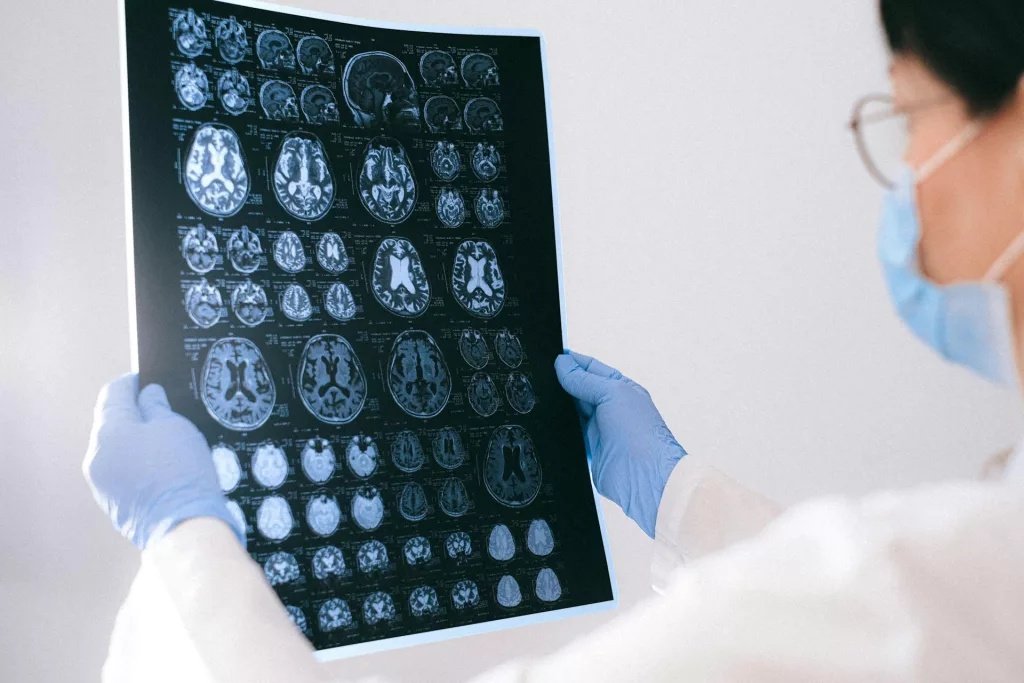
A brain MRI provides valuable information about Nipah virus-induced encephalitis.
Swelling in the brain leads to multiple defects. According to a systematic review, multiple neurocognitive issues seen in cases of the infection include:[10]
- Pupillary abnormalities
- Cranial neuropathies (nerve palsies and paralysis)
- Myoclonus (involuntary shock-like contractions of muscles)
- Hyporeflexia (poor reflexes)
Other issues arising from encephalitis are slurred speech, confusion, and seizures. Long-term neurologic deficits/disturbances are seen even in patients who recover from the disease. Encephalitis and related events (seizures) occur in severe cases, and a number of cases fall into a vegetative state (coma) very quickly, i.e., within 24-48 hours. Thus, clinicians emphasize early supportive care to prevent or minimize the neurocognitive sequelae of the disease.[11]
Complications Of Nipah Virus Infection
The disease can have long-term complications in survivors. Some patients who fully recover from the deadly infection experience personality changes (due to brain involvement). Convulsions and seizure disorders can also develop as complications. Patients may also experience relapse as infection-encephalitis can develop again.
Nipah Virus Causes
NiV infection primarily spreads from animals to humans. The virus stays inside the bodies of the fruit bats and gets transmitted to partially eaten fruits (via their saliva) without causing any infection to their reservoir (bats).
Humans may become infected through:
• Consumption of fruit or palm sap contaminated by bat secretions
• Contact with infected animals, particularly pigs
• Close contact with bodily fluids of infected humans
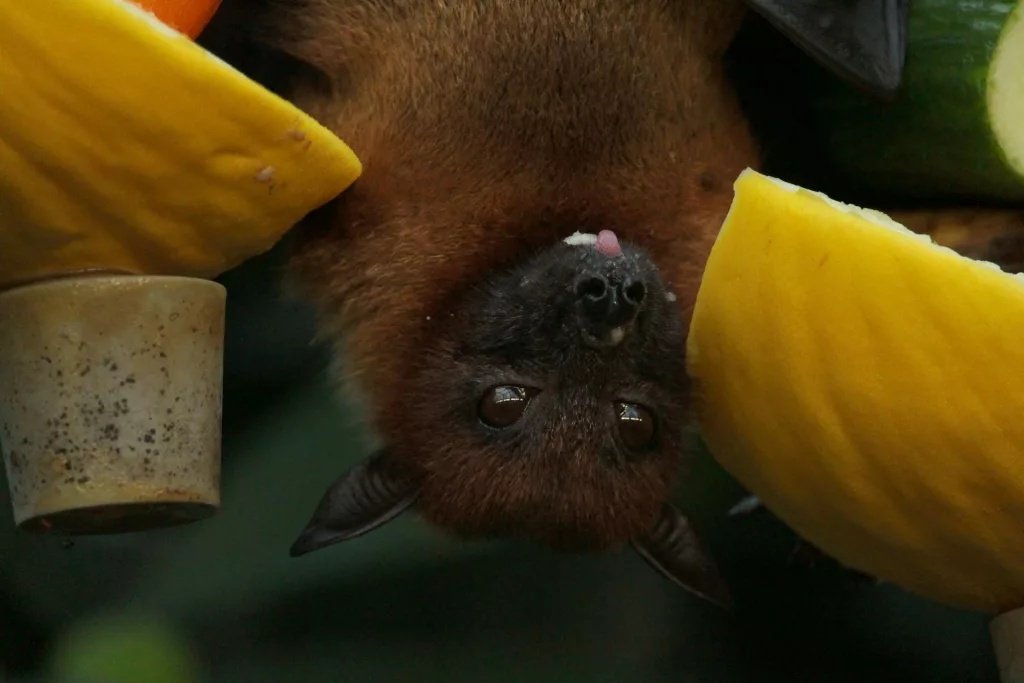
A fruit bat is eating fruit. Nipah virus gets transferred from a bat’s saliva to partially eaten fruits.
In Bangladesh and parts of India, consumption of raw date palm sap contaminated by bats is a well-recognized transmission route. In these regions, barks of date palm trees is shaved to make different products like palm wine. Bats feed on these shaved barks, transferring the virus.
Pathophysiology Of NiV: How Nipah Virus Causes Infection?
Once inside the body, the Nipah virus enters your endothelial cells (cells that line your blood vessels, heart, and lymph vessels). From there, it spreads via the blood vessels and causes inflammation of these vessels (vasculitis). It crosses the blood-brain barrier and causes acute encephalitis, and on the other hand, it induces lung parenchymal destruction leading to pneumonia and respiratory distress.
Is It Contagious?
Yes, the Nipah virus is a contagious disease that can spread from animals to humans and from humans to other humans.
Is Nipah Virus An Airborne Infection?
No. Nipah virus is not considered a true airborne infection.
It spreads through close contact with respiratory droplets and bodily fluids, rather than long-distance airborne transmission like measles ortuberculosis.
Transmission Of Nipah Virus
Disease outbreaks have mostly been reported in underdeveloped countries of Southeast Asia. The virus spreads rapidly in overcrowded and poorly ventilated places. Poor hygiene conditions contribute to the outbreak of the illness. The virus transmission occurs in the following ways:
- Contact with the bodily fluids (blood, urine, saliva, or feces) of an infected animal.
- Eating food (with the virus) that is contaminated by an animal.
- Close contact with an infected person. Therefore, caregivers are at a high risk of infection. Experts believe that body fluids (especially saliva) and respiratory secretions of an infected person (released during coughing) play a critical role in person-to-person transmission.[12]
- Sharing utensils with an infected person can also cause spread.
How To Test For Nipah Virus Infection?
A healthcare provider diagnoses the condition by reviewing your symptoms. A history of the symptoms can give the doctor an idea of the disease, but the symptoms are similar to many other illnesses, like viral encephalitis. Hence, he may ask you about your recent travel history to NiV endemic areas. To confirm the diagnosis of this paramyxovirus, your healthcare giver may order an array of tests.
Diagnostic Tests
The most commonly adopted diagnostic tests for Nipah virus include:
Polymerase Chain Reaction (PCR) Test:
The main test is the Reverse-Transcriptase Polymerase Chain Reaction (RT-PCR) test. Healthcare providers mostly take respiratory samples from your saliva or take a nasopharyngeal/oropharyngeal swab. A blood sample from your vein or a cerebrospinal fluid/CSF sample (taken via spinal tap) can also be used for this purpose. Urine samples also contain viral genetic materials and can be used for testing.
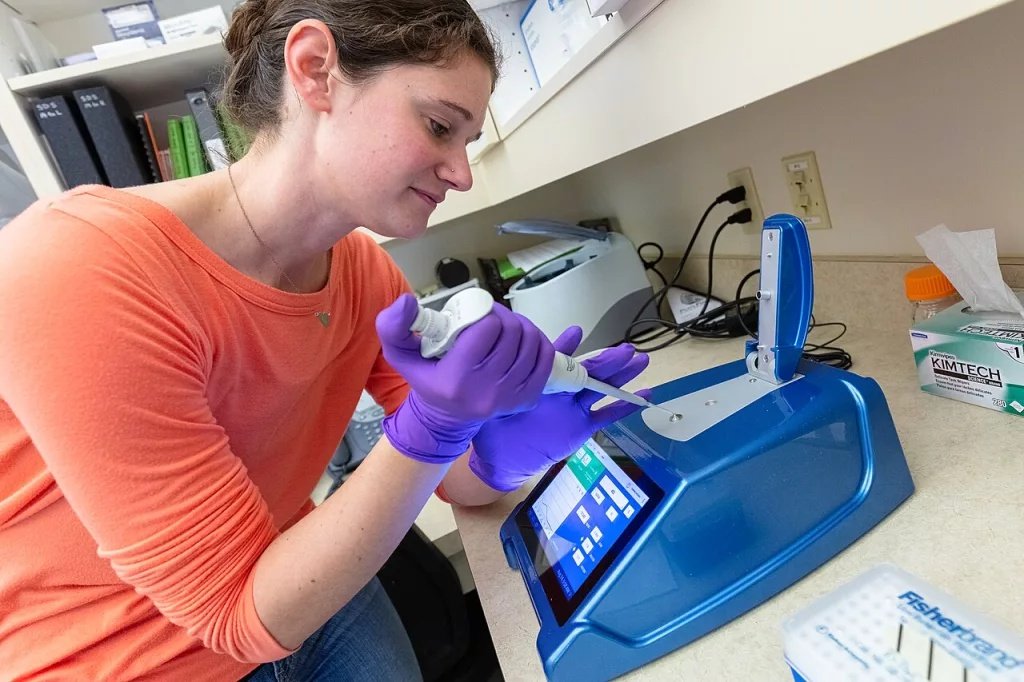
A technician performs a real-time PCR test to detect viral (Nipah virus) genetic material in a sample.
This test detects the presence of viral genetic material (DNA or RNA). As per modern research, advanced real-time RT-PCR tests provide accurate diagnosis and can help in epidemiological control of the virus spread.[13]
Enzyme-Linked Immunosorbent Essay (ELISA) Test:
ELISA is another test that detects the presence of antigens (pathogen components/bodies), antibodies (made by the body in response to the virus), and viral proteins in body samples. An ELISA test helps diagnose whether a person has contracted the Nipah virus, but it doesn’t help differentiate between acute and chronic infections. Samples are taken from bodily fluids (saliva, urine, semen, stool, blood, or CSF).
Lumbar Puncture Test:
In this test, the doctor collects spinal fluid from your spinal cord via a fine needle and screens it for NiV infection. This test plays a crucial role in diagnosing acute encephalitis caused by the infection.
Imaging Tests:
CT and MRI scans of the brain provide important information about the extent of brain swelling in encephalitis.
Differential Diagnosis
Differentiating between NiV infection and viral encephalitis (due to other pathogens like Herpes simplex, West Nile, etc.) is an arduous task. It requires extensive testing (ELISA, PCR) to differentiate between the disorders.
Nipah Virus Treatment
Currently, there is no treatment for NiV infection. Doctors rely on early diagnosis and supportive care. Though antiviral medications exist, none work for this very virus. Your body is capable of making antibodies to fight against the virus, but the process usually takes a few days. So, you can adopt certain steps to symptomatically manage the disease.
Disease Management
For viral infections, doctors advise you to stay hydrated by drinking ample fluids. Taking rest also allows your body to heal. Patients experiencing breathing difficulties may need oxygen therapy and ventilation support. Inhalers and nebulizers can also ease breathing.
Serious patients are kept under continuous medical monitoring. Generally, an interdisciplinary team of doctors (neurologists, nephrologists, etc.) looks after severe cases of the Nipah virus.
Medicines
Healthcare providers advise different types of medicines to manage the issues associated with the virus. Over-the-counter painkiller medicines like naproxen and ibuprofen help manage pain. Antiemetic drugs (like scopolamine and ondansetron) alleviate symptoms of nausea and vomiting. Antiseizure medicines are prescribed to patients with seizures.
Latest Treatment
In the latest clinical trials, doctors are trying to treat the condition with monoclonal antibodies (mAbs). The therapy is in its early stages. In some cases, mAbs can offer a better option to tackle the situation, but is expensive. Therefore, experts are in efforts to find potential antiviral compounds.[14] Experimental therapies, like monoclonal antibodies, are under investigation but are not yet approved for routine use.
Nipah Virus Vaccine
There is currently no licensed vaccine for Nipah virus infection. WHO has classified the Nipah virus as a priority pathogen for research and development.
Early-phase clinical trials (Phase 1) have shown that experimental vaccines can induce an immune response, but further studies are required to establish safety, efficacy, and real-world effectiveness before public use.
Animal studies have shown that the vaccination (immunisation) of pigs significantly reduces viral load in both mice and pigs. By controlling the spread of the infection in the swine population, health workers aim to control outbreaks of the disease.[15]
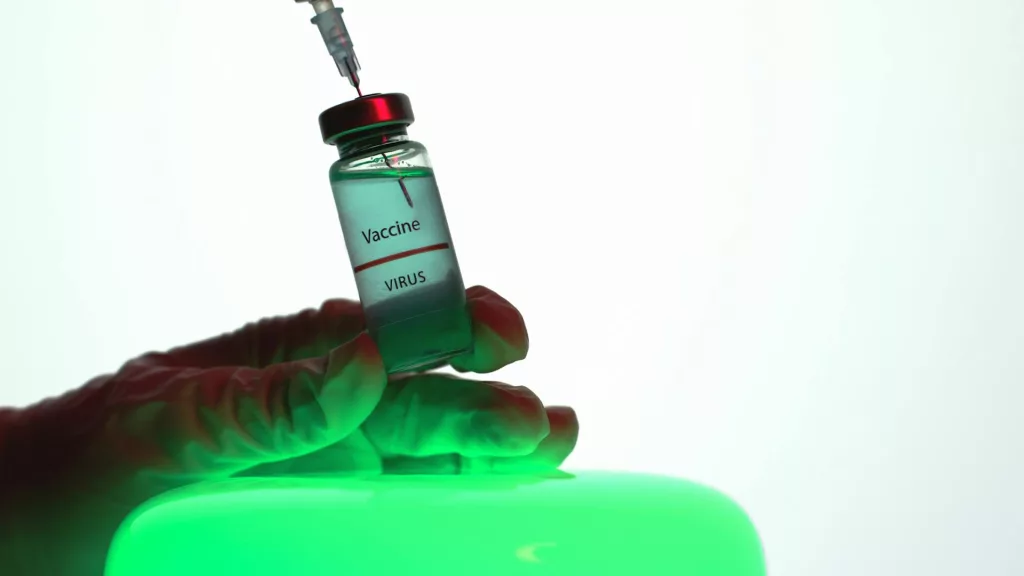
In a 2025 phase 1 study, three doses of a Nipah virus vaccine (HeV-sG-V) were tested in 173 participants. Administration of the vaccine induced an immune response, and antibodies were seen within 1 month of vaccination. The vaccine was well-tolerated by the study participants and showed no significant side effects. Thus, this study shows that the vaccine has the potential to control and prevent reactive outbreaks of the Nipah virus in prone areas.[16]
How Can I Prevent Nipah Virus Infection?
If you are travelling to Nipah endemic areas, you should pay attention to your hygiene to prevent contraction of the disease. You should wash your hands frequently and avoid contact with animals. Residents of such areas and professionals involved in dealing with animals should follow these steps:
- Use gloves and protective clothing when culling and slaughtering pigs.
- Avoid contact with fruit bats and sick pigs/horses.
- Discard any fruits with bat bites.
- Follow cleansing and disinfection protocols for pig farms. Quarantine the animal with the virus.
- Avoid eating and drinking foods that are potentially affected items like palm sap, fruit, or palm wine.
- Caregivers of patients must wear masks, eye protections and be extra cautious when dealing with the body fluids of the patient.
- Isolating the infected patient is an essential step in preventing the outbreak of illness.
Final Word
Nipah virus infection (NiV) is a rare, zoonotic infection caused by the Nipah virus. In the past, this paramyxovirus has caused outbreaks in Malaysia, Singapore, Bangladesh, and India. Regions of India are currently facing an outbreak of the disease with a high mortality rate. The virus resides in the bodies of the Pteropodidae fruit bats (which act as reservoirs) and gets transferred to pigs. Human contact with the bodily fluids of bats and pigs causes transmission of the disease.
NiV infection causes fever, headache, muscle pains, nausea/vomiting, and breathing difficulties. The infection rapidly progresses to brain swelling (encephalitis), which eventually leads to death. Long-term neurocognitive deficiencies (like personality changes) are seen in patients who have recovered. Quick diagnosis and early treatment are crucial in saving a patient’s life. Seizures, nerve palsies, and breathing difficulties are seen in severe cases. The majority of such patients fall into a coma very quickly (within 24-48 hours).
Currently, there is no treatment or vaccine available for NiV. After diagnosing the illness with RT-PCR and ELISA tests, doctors provide supportive care to the patient. Antiemetic, analgesic, and anti-seizure medications provide symptomatic relief. Modern researchers are working on developing a vaccine for the Nipah virus, and some treatment success has been seen with monoclonal antibodies. You can prevent disease acquisition by wearing protective clothing (gloves and masks), minimizing contact with infected animals/humans, and maintaining good hygiene.
References
[1] World Health Organization.Nipah virus infection – India[Internet]. Geneva: WHO; 2026 Jan 30 [cited 2026 Feb 3]. Available from: https://www.who.int/emergencies/disease-outbreak-news/item/2026-DON593
[2] Sharma, V., Kaushik, S., Kumar, R., Yadav, J. P., & Kaushik, S. (2019). Emerging trends of Nipah virus: A review.Reviews in medical virology,29(1), e2010.
[3] Vasudevan, S. S., Subash, A., Mehta, F., Kandrikar, T. Y., Desai, R., Khan, K., … & Gondaliya, P. (2024). Global and regional mortality statistics of nipah virus from 1994 to 2023: a comprehensive systematic review and meta-analysis.Pathogens and Global Health,118(6), 471-480.
[4] Hassan, M. Z., Ibrahim, S. K., Harriss, E., Horby, P., Olliaro, P., & Rojek, A. (2026). Interpreting the natural history and pathogenesis of Nipah virus disease through clinical data, to inform clinical trial design: a systematic review.The Lancet Microbe.
[5] Levine, C. B., Sauer, L. M., McLellan, S. L., Evans, J. D., & State of the Science Working Group of the National Ebola Training and Education Center’s (NETEC’s) Special Pathogens Research Network (SPRN) Blanton Lucas Chan Justin Davey Rick Frank Maria Gaby Hynes Noreen Shenoy Erica. (2025). Nipah virus: a summary for clinicians.International Journal of Emergency Medicine,18(1), 126.
[6] Satter, S. M., Sultana, S., Choudhury, S. S., Aquib, W. R., Rahman, D. I., Chowdhury, M., … & Ahsan, C. R. (2025). Insights into the acute phase of Nipah virus infection: clinical features, viral detection, and humoral immune response.International Journal of Infectious Diseases, 108263.
[7] Islam, M. R., Dhar, P. S., & Rahman, M. M. (2023). Newly outbreak of Nipah virus: epidemiology, symptoms, transmission, diagnostic testing, treatment, and global health concern.International Journal of Surgery,109(3), 507-508.
[8] Talukdar, P., Dutta, D., Ghosh, E., Bose, I., & Bhattacharjee, S. (2023). Molecular pathogenesis of Nipah virus.Applied biochemistry and biotechnology,195(4), 2451-2462.
[9] Sharma, A., & Wadhwa, A. (2020). Nipah: The Jumping Virus.NJLM,9, 1-3.
[10] Vindel, C., Valencia, C., & Perez-Davila, M. (2024, April). A Systemic Review of Neurological Signs, Symptoms, and Neuroimaging Findings of Nipah Virus (NiV) Infection (P9-13.005). InNeurology(Vol. 102, No. 7_supplement_1, p. 195). Hagerstown, MD: Lippincott Williams & Wilkins.
[11] Sejvar, J. J., Hossain, J., Saha, S. K., Gurley, E. S., Banu, S., Hamadani, J. D., … & Luby, S. P. (2007). Long‐term neurological and functional outcome in Nipah virus infection.Annals of Neurology: Official Journal of the American Neurological Association and the Child Neurology Society,62(3), 235-242.
[12] Luby, S. P., Gurley, E. S., & Hossain, M. J. A11 TRANSMISSION OF HUMAN INFECTION WITH NIPAH VIRUS 21.
[13] Shirobokova, S. A., Shabalina, A. V., Sukhikh, I. S., Chayeb, V. A., Dolgova, A. S., & Dedkov, V. G. (2025). Development of a real-time RT-PCR assay for detection of Hendra and Nipah viruses.Инфекция и иммунитет,15(3), 559-567.
[14] Mishra, G., Prajapat, V., & Nayak, D. (2024). Advancements in Nipah virus treatment: Analysis of current progress in vaccines, antivirals, and therapeutics.Immunology,171(2), 155-169.
[15] McLean, R. K., Pedrera, M., Thakur, N., Elrefaey, A. M., Hodgson, S., Lowther, S., … & Graham, S. P. (2025). Nipah virus vaccines evaluated in pigs as a ‘One Health’approach to protect public health.npj Vaccines,10(1), 163.
[16] Frenck, R. W., Naficy, A., Feser, J., Dickey, M. P., Leyva-Grado, V. H., Egan, M. A., … & Rathi, N. (2025). Safety and immunogenicity of a Nipah virus vaccine (HeV-sG-V) in adults: a single-centre, randomised, observer-blind, placebo-controlled, phase 1 study.The Lancet,406(10521), 2792-2803.