

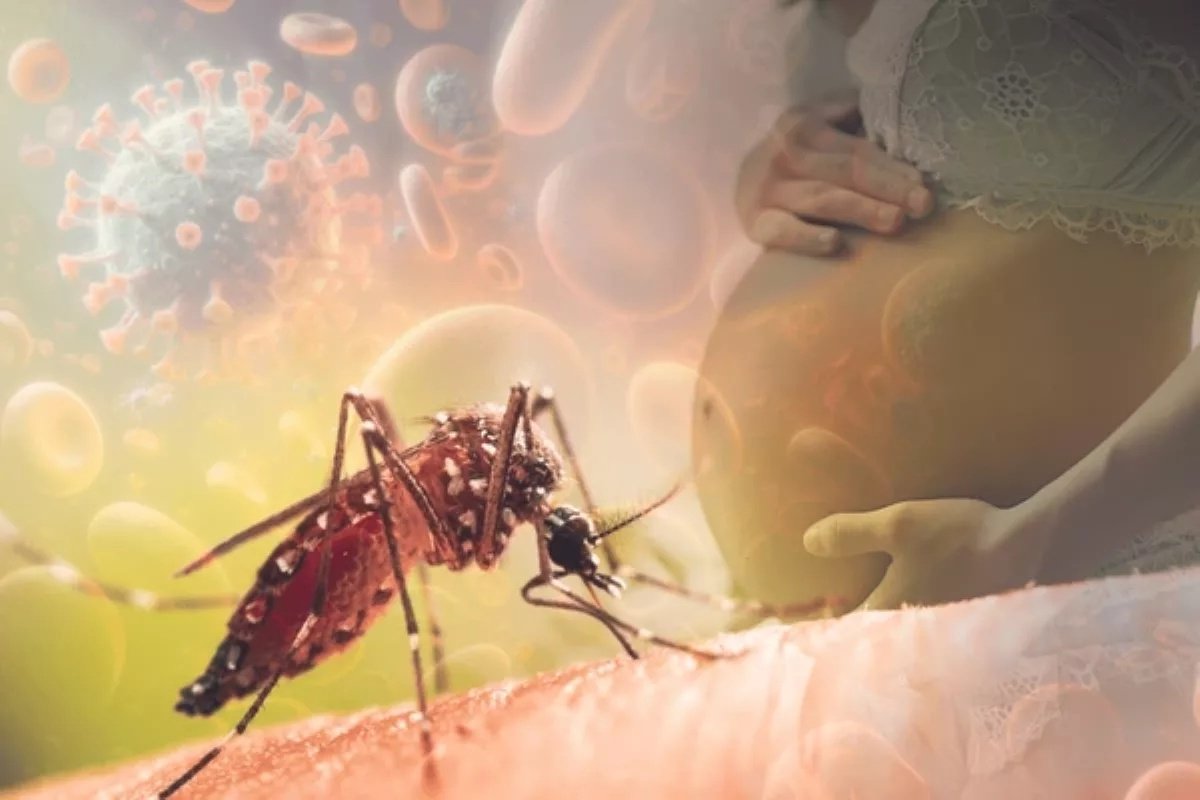
What is the Zika Virus?
Zika Virus Symptoms Zika virus is a mosquito-borne infection from the Flaviviridae family, closely related to dengue,yellow fever, and West Nile virus. Originally identified in 1947 in the Zika Forest of Uganda, when the research on the rhesus macaque monkeys was done, it remained a rather unrecognized virus, causing only occasional outbreaks in Africa and Asia.
Global Spread and Current Status
Zika gained global attention in 2015 when Brazil reported a strong link between Zika infection in pregnancy and severe birth defects.The virus has already been reported in more than 90 countries in the Americas, Asia, Africa, and the Pacific.
Although the reported cases have decreased drastically since the peak in 2016, Zika is still being spread at some low levels. The fact that it continues to be a major challenge in many areas implies that it is still a major concern for pregnant women and couples planning a pregnancy.
How Zika Virus Spreads?
There are many ways of Zika virus transmission however, most common route is through mosquito bites:
Mosquito-Borne Transmission
The virus is mostly transmitted when bitten by infected Aedes aegypti and Aedes albopictus mosquitoes. These are daytime mosquitoes that are aggressive and breed in small quantities of standing water around the homes.
Once an infected mosquito bites a person, the saliva that is injected into the blood contains the virus. The same mosquitoes can, in turn, bite other individuals and thus cause even more infections.
Sexual Transmission
Zika can be passed through vaginal, anal and oral sex. Even without symptoms, an infected individual is able to spread the virus. The virus may stay in the semen for a long period, and using condoms is necessary after possible exposure.
Mother-to-Child Transmission
An infected pregnant mother can pass the virus to her baby through the placenta. This transmission may result in severe birth defects. The virus may also be spread around during delivery when the mother is infected within a period of about two weeks before delivery. Although it has been detected in breast milk, breastfeeding remains safe, and the risks of breastfeeding are said to far surpass this risk.
Other Routes
Zika is, in extremely rare cases, transmitted by blood transfusion, organ transplants, and laboratory exposure. No confirmed incidences of Zika linked to being transmitted to healthcare facilities in the United States have been confirmed but standard precautions are still critical.
Zika Virus Life Cycle
Inside the human body, Zika replicates rapidly, completing one cycle in about 24–48 hours.
1. Entry into Cell
The virus connects to a host cell and is absorbed in a compartment known as an endosome. It is the acidic environment of the endosome that causes the virus to spill its genetic material (single-stranded RNA) into the cytoplasm of the cell.
2. Replication
- The cell machinery utilizes the viral RNA to generate a a long polyprotein.
- This polyprotein is then cleaved into single viral proteins, some of which are structural (in the case of the new virus particles) and others of which are non-structural (in the case of replication).
- The virus replicates its RNA genome with the aid of a special viral enzyme (NS5).
3. Assembly & Release
Viruses are reconstructed, and new viruses are filled with the replicated RNA. They grow up as they proceed through the transport system in the cell (Golgi apparatus) and are eventually released from the cell to infect more cells.
Recognizing the Signs
Zika Virus Symptoms
Among the most problematic issues related to Zika virus infection is that about 80% of infected people have no symptoms, making outbreaks hard to track. In those who do get the symptoms, the disease is typically mild and self-limiting.
Common Symptoms
However, the symptoms appear only 3-14 days after contact with the virus. The most common problems are:
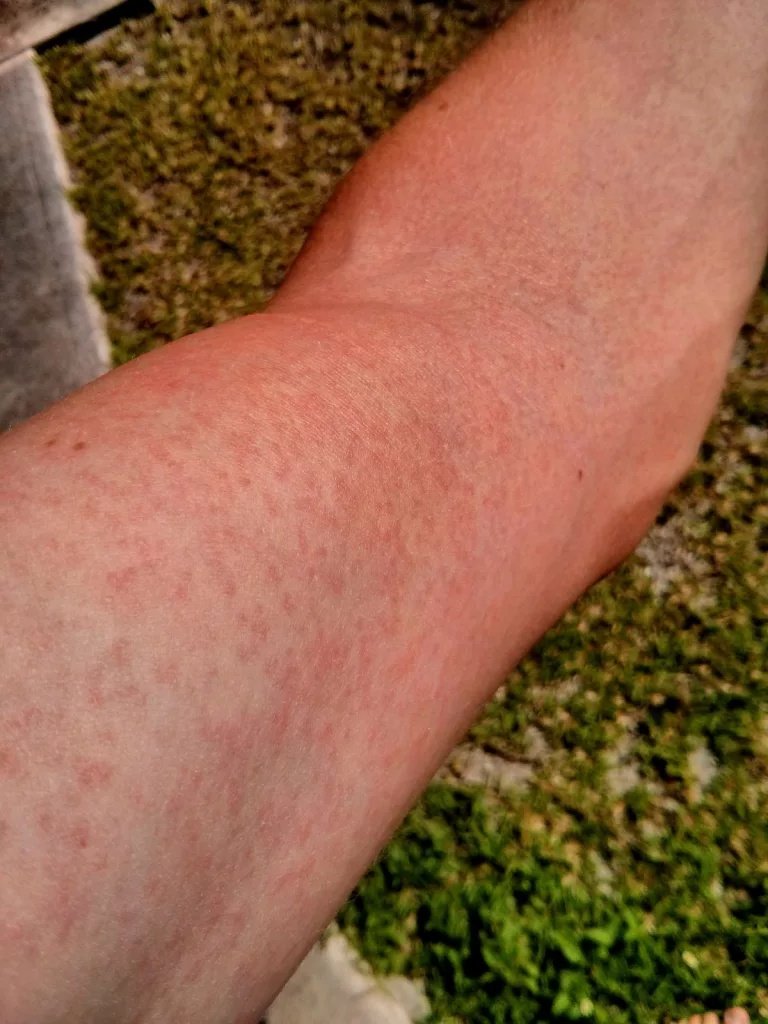
Rash on an arm due to Zika Virus By FRED – Own work, CC BY-SA 3.0,commons.wikimedia
- Fever: Usually low-grade.
- Rash: A maculopapular rash, which is manifested as both flat red and small raised bumps, is commonly itchy.
- Joint pain (arthralgia)
- Conjunctivitis: No pus and reddening of the whites of the eyes, also known as pink eye.
- Muscle Pain
- Headache with pain behind the eyes.
- General malaise or tiredness.
The symptoms usually take 2-7 days to disappear without the need to be taken to the hospital. The disease is seldom serious enough to be taken to the hospital, and mortality is very rare.
Serious Complications
Although being uncommon, in some cases, the infection of the Zika virus can induce a more serious neurological problem:
- Guillain-Barre Syndrome: This is an autoimmune condition in which the immune system of the body targets the peripheral nerves and leads to progressive weakness and paralysis. This occurs in approximately 2 in 10,000 Zika infections. The majority of individuals get better in a few weeks to months in Guillain-Barré syndrome, but some might be permanently affected.
- Other Neurological Conditions: Other more rarer complications are encephalopathy (brain dysfunction), meningoencephalitis (inflammation of the brain and its surrounding membranes), myelitis (inflammation of the spinal cord), uveitis (inflammation of the eye) and severe thrombocytopenia (very low platelet counts).
Diagnosing Zika Virus Infection
Correct diagnosis of Zika is essential, particularly among pregnant women, yet it is difficult because it resembles another virus, dengue and most of the infections are asymptomatic.
Who Should Get Tested?
The test must be taken in case you:
- Suffers with effects (temperature, rash, joint pains, red eyes) on a trip to Zika territory.
- Pregnant and may have been exposed to possible exposure by travel or sex.
- Are pregnant without symptoms but had recent exposure (testing may still be advised).

A doctor holding a test blood sample tube positive for the Zika virus test.
Types of Diagnostic Tests
1. Molecular (PCR) Test
What it does: Detects the virus’s genetic material (RNA) in blood or urine.
When to use: For acute, active infection. It is most accurate:
- In blood 5-7 days after the onset of the symptoms.
- In urine in 10-14 days of symptom development.
A positive PCR is an indication of an active Zika infection.
2. Antibody (Serology) Test
Detects IgM antibodies, which appear after the first week and stay for months.
This test can cross-react with dengue or yellow fever, causing false positives, so it is often paired with PCR in pregnancy.
For pregnant women, serial ultrasounds are recommended if Zika exposure is confirmed or suspected.
Current Treatment Approaches
Zika Virus Treatment
Presently, there is no particular antiviral drug to treat Zika virus infection. This implies that only symptomatic treatment and natural immune response support is necessary. It is a simple strategy that you be do at home on most occasions.
Symptom Management
The cornerstone of Zika treatment involves:
- Rest: Adequate sleep and avoiding exhausting activities enable the body to apply energy in combating the infection.
- Hydration: To avoid dehydration, it is important to drink a lot of fluids, particularly in the case of fever.
- Pain and fever– Over-the-counter acetaminophen (Tylenol) is able to decrease fever and relieve pain.
Significant Medication Precautions.
Aspirin, as well as other non-steroidal anti-inflammatory drugs (NSAIDs) such as ibuprofen should be avoided, until the dengue fever is ruled out. This is important as these areas in which Zika spreads have a lot of dengue as well, and taking these medicines in the presence of dengue may put the person at risk of bleeding issues. In the case where you don’t have dengue, use NSAIDs when necessary.
When to Seek Medical Care?
Reach out to a medical practitioner in case you:
- Came to a region of Zika transmission and got symptoms.
- Pregnant, possibly exposed to Zika.
- Symptoms aggravate or cause complications.
- Show signs of dehydration.
Considerations for Pregnant Women
Women who have laboratory confirmation of infection by Zika during pregnancy need close observation during pregnancy. Conduct ultrasounds regularly to check the progress of the fetus and any evidence of brain abnormality. Infants will require extensive assessment and screening of Zika-related complications despite their healthy appearance after birth.
Birth Defects and Pregnancy Complications
Zika Virus Birth Defects
The Zika virus infection in pregnancy and severe birth defects can be termed as one of the most important public health findings in recent years. In situations where the virus enters the placenta and infects an unborn child, it may have disastrous effects on the development of the child’s brain.
Congenital Zika Syndrome
Infants carrying the Zika virus in the course of pregnancy may be born with a pattern of birth defects that are collectively referred to as Congenital Zika Syndrome. This syndrome includes:
- Severe microcephaly: A very small size of head, which means that the brain has not grown normally.
- Decreased brain tissue: Brain abnormalities, including decreased brain volume with a partially collapsed skull.
- Brain damage: Cortical thinning, brain structure malformation with abnormal brain tissue.
- Eyes: Back of eye damage, cataracts and issues with the eyes.
- Joint issues: Decreased joint motion, e.g, clubfoot and other contractures.
- Increased muscle tone: Excessive muscle tension that restricts movement
- Other neurological issues: Feeding difficulties, hearing loss and seizures
The Zika virus leads to microcephaly by destroying with great specificity the neural progenitor cells, the key building blocks of the fetal brain. It inhibits the development of the brain by directly interfering with proteins necessary in cell division and by causing a harmful immune reaction.
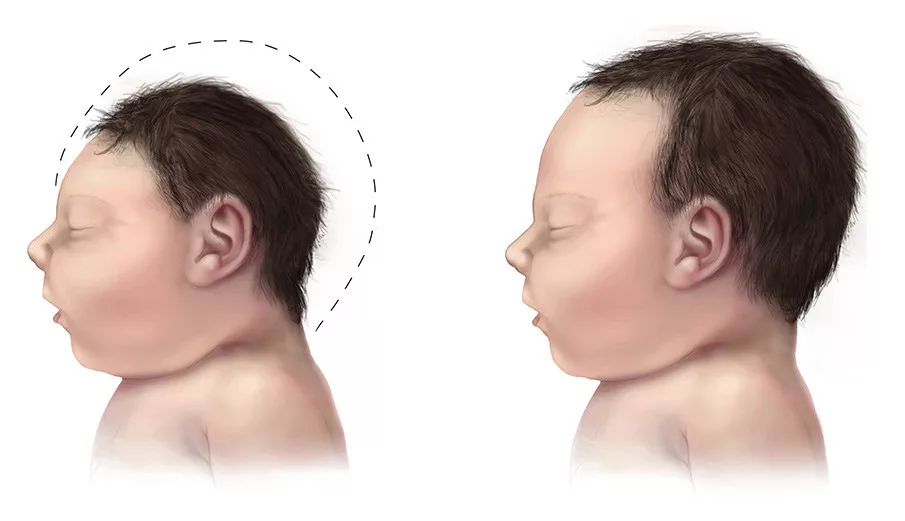
Image of a baby with microcephaly (left) compared to a normal baby (right). By Brar_j- Flickr – CC BY 2.0,
This assault causes the brain to fail to develop at the right time. The virus may also interfere with important developmental proteins such as FOXG1 which results in a brain that is much smaller than normal during birth.
Other Pregnancy Complications
Beyond Congenital Zika Syndrome, infection during pregnancy can also lead to:
- Miscarriage and fetal loss
- Stillbirth
- Preterm birth
- Intrauterine growth restriction
Zika Virus Prevention
As there is no vaccine, prevention aims at preventing through mosquito bites and sexual transmission.
1. Avoid Mosquito Bites (Primary Defense)
- Use EPA-approved repellents (DEET, picaridin, IR3535, oil of lemon eucalyptus) on exposed skin. These are safe for pregnant and breastfeeding women.
- Wear protective garments such as pants and shirts with long sleeves. Treat clothing with permethrin for added protection.
- Manage mosquitoes in the home by placing a screen on the doors/ windows, removing stagnant water (pots, buckets, etc.), and using air conditioning.
2. Prevention of Sexual Transmission
Both men and women transmit the Zika sexually even without having any symptoms. Use condoms consistently and correctly during all types of sex (vaginal, anal, oral).
Follow waiting periods if you or your partner has been exposed:
- Before trying to conceive: Wait at least 3 months after symptoms or exposure for men, and 2 months for women.
- For pregnant women: Condom use or no sex during the pregnancy in case the partner has traveled to an area that is at risk of Zika.
Conception Planning After Exposure
Current guidelines for couples planning pregnancy after Zika exposure:
| Person Exposed | Recommended Waiting Period |
|---|---|
| Women with Zika | Wait at least 2 months after symptom onset or positive test |
| Men with Zika | Wait at minimum of 3 months after symptoms or a positive test. |
| Travel to the Zika area (no infection) | Wait a minimum of 2 months in women, 3 months in men. |
All these waiting times will enable the virus to leave the body and will not have an impact on the growth.
Key Takeaways
The Zika virus is a significant issue in pregnancy because of its association with serious birth defects. However in adults, it may have mild or no symptoms. The mosquito bites and sexual contact primarily transmit the virus. Therefore, the best way of protection is prevention of the mosquito bite and the use of condoms in case a partner’s exposure. No treatment or vaccine currently exists.
Consider the risk factors and the precautions you should take, especially in case you are expecting or planning a pregnancy, it is also important to consult your healthcare provider on the risk factors and precautionary measures to take, particularly the areas where there are cases of Zika transmission. The most effective countermeasures to the virus are awareness and prevention.
References
[1] Dick, G. W., Kitchen, S. F., & Haddow, A. J. (1952). Zika virus. I. Isolations and serological specificity. Transactions of the Royal Society of Tropical Medicine and Hygiene, 46(5), 509–520.
[2] Rabe, I. B., Tejera, H., Kelley, J., et al. (2025). A Review of the Recent Epidemiology of Zika Virus Infection. American Journal of Tropical Medicine and Hygiene.
[3] Petersen, L. R., Jamieson, D. J., Powers, A. M., & Honein, M. A. (2016). Zika Virus. New England Journal of Medicine, 374(16), 1552–1563.
[4] Centers for Disease Control and Prevention. (2025). How It Spreads | Zika Virus.
[5] Oster, A. M., Brooks, J. T., Stryker, J. E., et al. (2016). Interim guidelines for prevention of sexual transmission of Zika virus—United States, 2016. MMWR Morbidity and Mortality Weekly Report, 65(5), 120–1.
[6] Honein, M. A., Dawson, A. L., Petersen, E. E., et al. (2017). Birth defects among fetuses and infants of US women with evidence of possible Zika virus infection during pregnancy. JAMA, 317(1), 59–68
[7] Hamel, R., Dejarnac, O., Wichit, S., et al. (2015). Biology of Zika Virus Infection in Human Skin Cells. Journal of Virology, 89(17), 8880–8896.
[8] Duffy, M. R., Chen, T. H., Hancock, W. T., et al. (2009). Zika virus outbreak on Yap Island, Federated States of Micronesia. New England Journal of Medicine, 360(24), 2536–2543.
[9] Cao-Lormeau, V. M., Blake, A., Mons, S., et al. (2016). Guillain-Barré Syndrome outbreak associated with Zika virus infection in French Polynesia: a case-control study. The Lancet, 387(10027), 1531–9.
[10] Rabe, I. B., Staples, J. E., Villanueva, J., et al. (2016). Interim Guidance for Interpretation of Zika Virus Antibody Test Results. MMWR Morbidity and Mortality Weekly Report, 65(21), 543–6
[11] Faye, O., Faye, O., Diallo, D., Diallo, M., Weidmann, M., & Sall, A. A. (2013). Quantitative real-time PCR detection of Zika virus and evaluation with field-caught mosquitoes. Virology Journal, 10(1), 311
[12] Hajra, A., Bandyopadhyay, D., & Hajra, S. K. (2016). Zika Virus: A Global Threat to Humanity: A Comprehensive Review and Current Developments. North American Journal of Medical Sciences, 8(3), 123–128.
[13] Oduyebo, T., Igbinosa, I., Petersen, E. E., et al. (2016). Update: Interim guidance for health care providers caring for pregnant women with possible Zika virus exposure—United States, July 2016. MMWR Morbidity and Mortality Weekly Report, 65(29), 739–44.
[14] Moore, C. A., Staples, J. E., Dobyns, W. B., et al. (2017). Characterizing the Pattern of Anomalies in Congenital Zika Syndrome for Pediatric Clinicians. JAMA Pediatrics, 171(3), 288–295.
[15] Mlakar, J., Korva, M., Tul, N., et al. (2016). Zika Virus Associated with Microcephaly. New England Journal of Medicine, 374(10), 951–958.
[16] Brasil, P., Pereira, J. P., Raja Gabaglia, C., et al. (2016). Zika virus infection in pregnant women in Rio de Janeiro — preliminary report. New England Journal of Medicine, 375(24), 2321–2334.
[17] Petersen, E. E., Polen, K. N., Meaney-Delman, D., et al. (2016). Update: Interim Guidance for Health Care Providers Caring for Women of Reproductive Age with Possible Zika Virus Exposure—United States, 2016. MMWR Morbidity and Mortality Weekly Report, 65(12), 315–22
[18] Petersen, E. E., Meaney-Delman, D., Neblett-Fanfair, R., et al. (2016). Update: Interim Guidance for Preconception Counseling and Prevention of Sexual Transmission of Zika Virus for Persons with Possible Zika Virus Exposure—United States, September 2016. MMWR Morbidity and Mortality Weekly Report, 65(39), 1077–1081